Torn between sunrise over the Gulf and sunset on the bay? In Galveston, both sides of the island offer a distinct rhythm of life, along with different costs, risks, and long-term considerations. If you are weighing lifestyle, rental income, insurance, and resale value, this guide will help you compare each option with clear, practical insights. Let’s dive in.
Beach vs bay at a glance
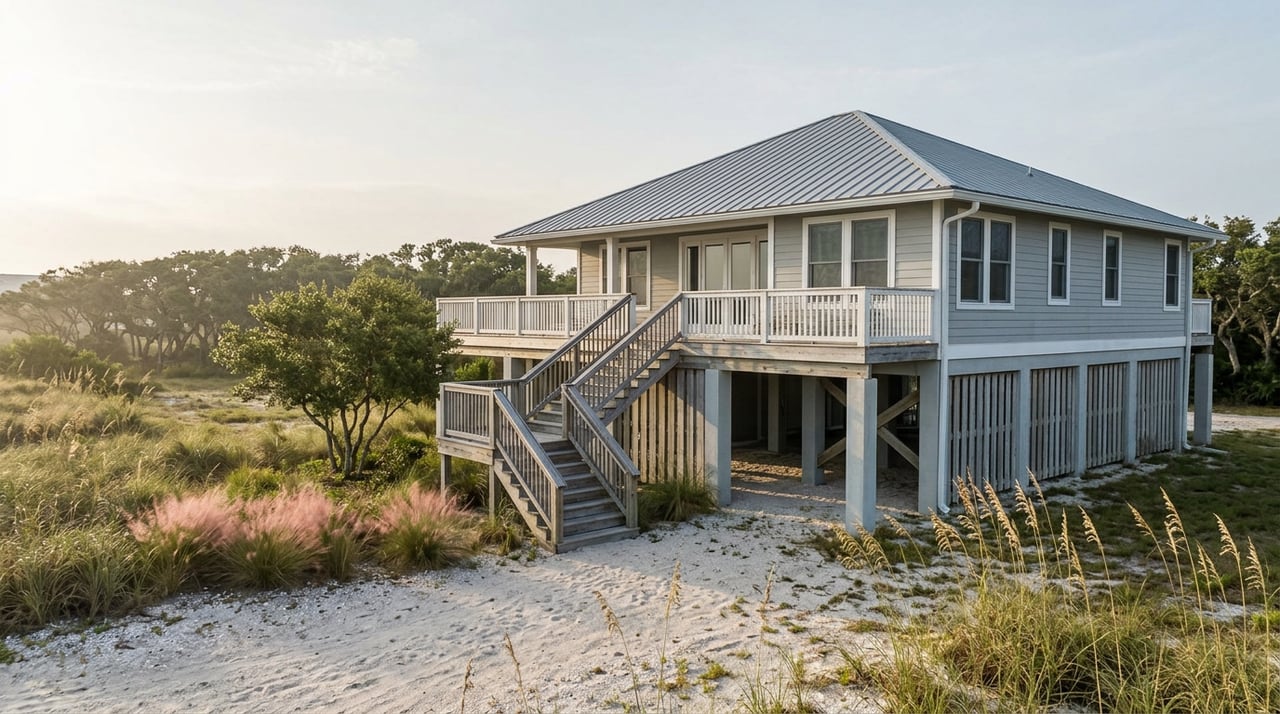
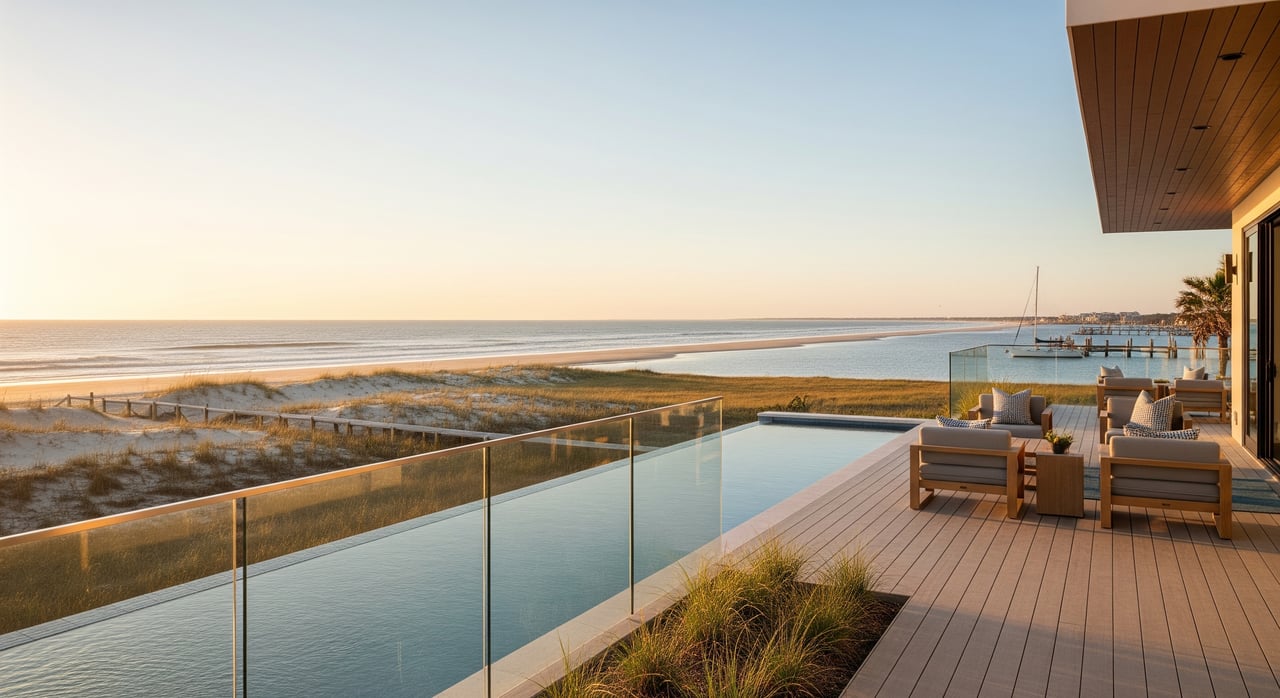
Beachfront puts you on the south shore facing the Gulf of Mexico with direct beach access, wide ocean views, and a lively, vacation-centered atmosphere. Bayfront lines the north shore facing Galveston Bay, bayous, or protected channels, where you find calmer waters, private docks, and quieter streets in many areas. Both offer waterfront living, yet the daily experience, insurance profile, and permitted shoreline structures can differ.
What drives value and resale
Beachfront homes often command higher per-square-foot prices due to direct ocean access, sweeping views, and strong short-term rental demand in peak seasons. Bayfront homes draw buyers who value boating, fishing, and dock access with calmer water; pricing varies with views, proximity to marinas, and distance from port or industrial activity. For resale on either side, elevation, flood zone, structural condition, and the permit status of seawalls, bulkheads, or docks carry significant weight. A current elevation certificate, documented post-storm repairs, and properly permitted shoreline improvements improve marketability and buyer confidence.
Lifestyle differences that matter
If you want surf, sand, and buzz, beachfront delivers easy beach days, Seawall Boulevard energy, and high visibility to seasonal visitors. Expect heavier tourism, event activity, and more variable noise and traffic in peak months. If you prefer a slower pace, bayfront living favors boating, kayaking, and tranquil sunrises, with typically less tourist foot traffic depending on the neighborhood. Your access to dining, healthcare, and services will vary by location, with central island addresses generally closer to the Strand, UTMB, and city services.
Risk, flood zones, and insurance
Galveston has a long hurricane history. Both beachfront and bayfront areas can face storm surge, but the nature of exposure is different. Gulf-facing sites see direct wave action and surf, while bayfront locations can experience surge channeled into bays and bayous depending on storm track and elevation.
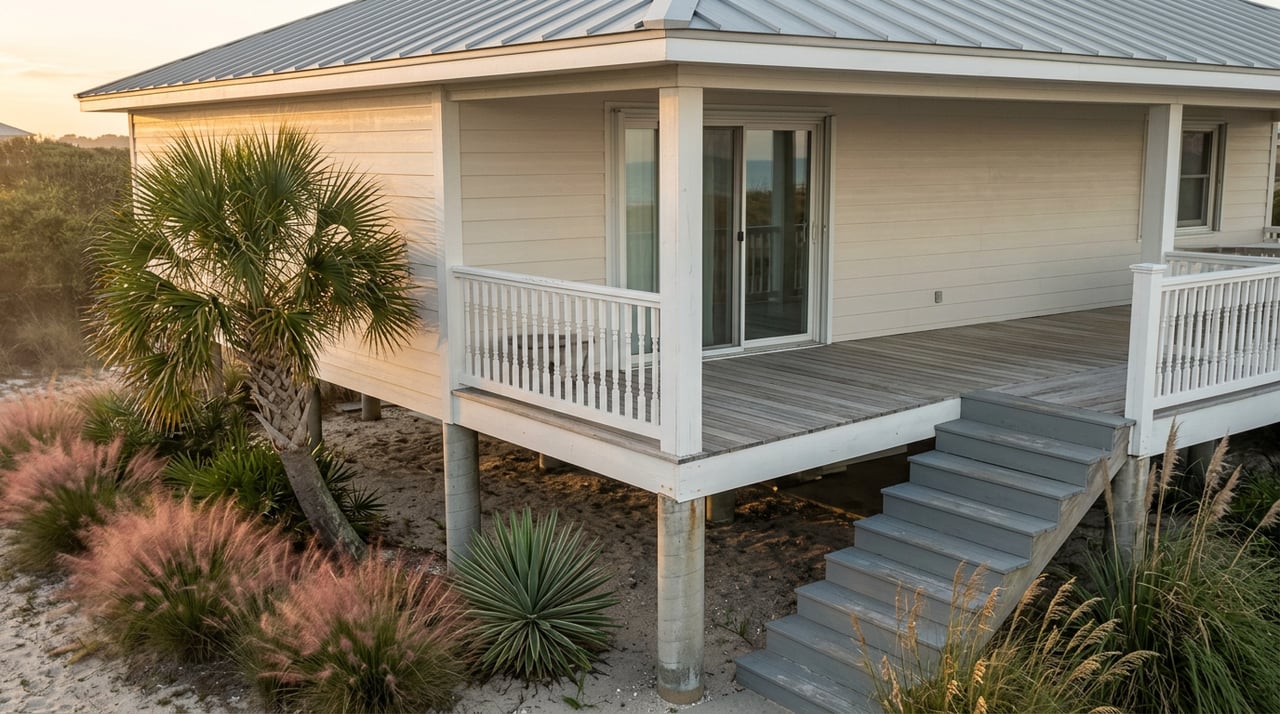
Flood zones and elevation drive how a home is designed and insured. Coastal V zones that account for wave action have stricter standards than AE zones. Your elevation certificate and foundation type can materially affect underwriting, premiums, and rebuild costs. For wind coverage, some properties rely on the Texas Windstorm Insurance Association if private markets are not available. Flood insurance typically flows through the National Flood Insurance Program. Obtain quotes early for each specific address, since costs can differ sharply even within the same neighborhood.
Permits matter along the shoreline. Seawalls, bulkheads, and docks are regulated and often require approval by local and state agencies, and in some cases federal authorities. On the Gulf side, the Texas Open Beaches Act supports public beach access, which can influence where private use begins and ends. Always verify boundaries, easements, and any recorded restrictions before you buy.
Rental income and seasonality
Beachfront homes tend to see robust short-term rental demand in summer and holiday weeks. That potential can lift gross income, but it also brings higher wear, variable occupancy, and property management needs. You may need local registration or permits for rentals, and you should confirm tax and compliance steps in advance. Bayfront homes can attract boating and fishing getaways and may see steadier niche demand through the year, depending on location and amenities.
Utility and access considerations
Most developed areas tie into municipal water and sewer, though some pockets may use private utilities. Confirm your service setup and internet options before an offer. Plan for island access and evacuation timing as well. The I-45 causeway is the primary route to and from the island, and your exact bayfront or beachfront location can change evacuation timing during major events.
Buyer checklist for smart decisions
Use this quick list to sharpen your due diligence before you write an offer:
Flood and structure
- Confirm FEMA flood zone and note any pending map changes.
- Review the elevation certificate and foundation type.
- Ask for repair history after major storms and verify permits.
- Inspect and document seawalls, bulkheads, docks, and lifts, with permits.
- Evaluate soil subsidence and erosion history at the shoreline.
Insurance and operating costs
- Obtain quotes for windstorm and flood insurance and compare deductibles.
- Review any past insurance claims and seller disclosures.
Legal and title
- Verify shoreline ownership, easements, and public access on the Gulf side.
- Review HOA rules and any short-term rental registration or local taxes.
- Check for unpermitted improvements, additions, or shoreline work.
Utilities and services
- Confirm water, sewer or septic, internet, and stormwater systems.
- Understand emergency services and response times for the area.
Neighborhood and lifestyle
- Visit during weekdays and weekends to gauge traffic and noise.
- Note proximity to the port or industrial corridors where ship or truck activity can increase.
Professional support
- Consult a coastal-knowledge real estate agent, surveyor, marine contractor, coastal engineer, and insurance broker who work routinely in Galveston.
Beachfront or bayfront: a quick fit test
Choose beachfront if you want direct beach access, open Gulf views, and the strongest peak-season rental appeal. This choice fits owners comfortable with higher exposure to surf-driven conditions and more tourism nearby. Choose bayfront if you prioritize boating, calmer waters, private docks, and a quieter feel in many areas, with the understanding that site elevation and proximity to channels still drive surge risk. In both cases, site-specific factors matter more than labels. Elevation, flood zone, and permitted shoreline structures define risk, cost, and long-term value.
How we help you choose wisely
You deserve a seamless, strategic process tailored to your lifestyle and goals. As a Galveston-rooted team, we pair concierge service with investor-minded advice, so you can compare homes through the lens of elevation, permitting, insurance, and future resale. We coordinate with engineers, surveyors, and marine contractors, and we present properties with high-end staging, photography, and video to maximize interest if you plan to sell. Whether you are local or buying remotely, we manage the details so you can focus on the waterfront life you want.
Ready to explore the right side of the island for you? Connect with Spagnola Realty Group for a private consultation and curated listings.
FAQs
Is beachfront or bayfront safer in Galveston hurricanes?
- Neither side is universally safer. Beachfront sees direct wave action and open-ocean surge, while bayfront areas can face surge channeled into bays and bayous. Site elevation, flood zone, and storm track drive actual risk.
Are insurance premiums usually lower on Galveston’s bay side?
- Sometimes, but not always. Premiums depend on flood zone, elevation, foundation type, and claim history. Get address-specific quotes for both windstorm and flood coverage early in the process.
Can you build a dock or seawall on Galveston waterfront property?
- Possibly, but most shoreline structures need permits from local and state agencies, and sometimes federal authorities. Environmental rules and ownership boundaries can limit design and placement.
How does the Texas Open Beaches Act affect private beachfront owners in Galveston?
- The Act supports public beach access on the Gulf side. The line between public easement and private property can shift, so confirm boundaries, rights, and responsibilities during title and survey review.
What should I check before buying a Galveston waterfront home?
- Verify flood zone and elevation certificate, review repair and permit records, confirm insurance quotes, inspect shoreline structures and permits, and confirm utilities, access, and any short-term rental rules.
How do evacuation and access differ across the island?
- The I-45 causeway is the main route. Travel times and routes can vary by your exact location, so plan ahead and follow local emergency management guidance during severe weather.