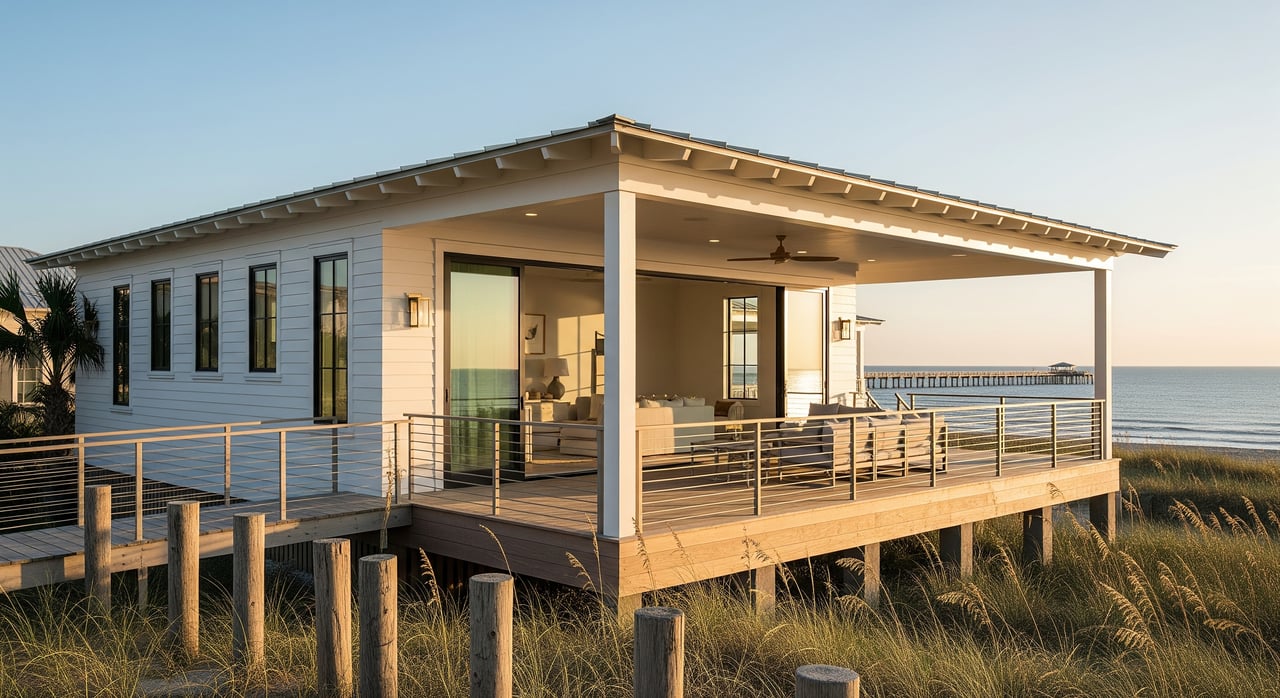
Thinking about selling your West End beach house but not sure when to hit the market? Timing in 77554 is everything. Buyer demand, storm season, insurance, and rental calendars all shape your results. In this guide, you’ll learn the best months to list, how to prep for a smooth sale, and what to expect in each season. Let’s dive in.
Why timing matters in 77554
West End buyers fall into three groups: second‑home buyers, short‑term rental investors, and local or regional buyers who want waterfront living. Each group shops on a slightly different calendar. Spring and summer bring peak island visitation, which creates more showings and lifestyle-driven decisions. Fall and winter can be quieter, but serious buyers and investors still shop for the right opportunity.
Timing also affects risk. The Atlantic hurricane season runs June 1 to November 30, with the most activity typically in August and September. Listing outside the peak months reduces the odds of weather-related delays during inspections or closing. You can confirm season timing with the National Hurricane Center.
Best window: late Feb to early Apr
The strongest overall listing window for West End beach houses is often late February through early April.
- Buyers plan for summer use and want to close before school ends and peak travel begins.
- Weather is usually favorable for photos and showings, and you’re ahead of the heart of storm season.
- You can often secure stronger offers when lifestyle buyers are active and motivated.
How to price in spring
In late winter and early spring, you can typically price with more confidence if your home is well presented and aligned with recent West End comps. Highlight the summer-ready value proposition. If your property has documented mitigation or an elevation certificate, note it clearly to support buyer confidence.
Summer listing pros and cons
If you miss spring, May through July can still work well.
- Pros: High on-island traffic, emotional appeal during vacations, and more buyers physically touring.
- Cons: More competition, longer response times from lenders and insurers, and more coordination around travel schedules.
If you list in summer, set expectations for flexibility on showings and prepare for slightly longer closing timelines.
Fall and winter options
- Late summer to early fall, especially August to September, often brings more storm activity, which can slow or discourage buyers. If possible, avoid listing in those peak months.
- October to November can attract buyers who missed summer and inventory may thin. You may need to be conservative on pricing.
- Late fall to early winter has fewer buyers but also less competition. Investors and serious shoppers may look for value plays.
Prep timeline: 8 to 10 weeks
Work backward so you are ready to hit the ideal window.
- Weeks −10 to −8: Gather key documents, order a pre-listing inspection, and get contractor estimates.
- Weeks −8 to −6: Complete high-impact repairs like roof, water intrusion fixes, and HVAC service. Deep clean and plan staging.
- Weeks −6 to −4: Schedule pro photography and drone shots on a good-weather day. Finalize pricing with current 77554 comps.
- Weeks −4 to −2: Build your marketing package: virtual tour, floor plan, and rental income sheet if applicable.
- Week 0: Go live with an initial 3 to 4 week marketing push and targeted outreach to regional buyers and investors.
Documents buyers ask for
Create a clean, confidence-boosting packet. Include:
- Deed, survey, and any recent appraisal
- Elevation certificate and flood mitigation documentation
- Insurance claim history and repair receipts, roof age, HVAC service records
- Seawall or bulkhead permits and maintenance records
- HOA or POA documents and any short‑term rental rules
Having these ready reduces friction and helps you negotiate with authority.
Insurance, flood, and lender prep
Coastal buyers and lenders focus on insurability, flood risk, and elevation. Expect requests for elevation certificates, flood zones, and any prior storm claims. For general flood-zone information and FIRMs, visit the FEMA Flood Map Service Center.
If you can, time your listing so you are under contract and aiming to close before the heart of storm season. Many sellers target a late spring closing to minimize the chance of weather-related delays.
Short‑term rental checks
If you plan to market the home as a vacation rental, confirm that short‑term rental use is allowed by the City of Galveston, the county, and your HOA. Keep your documentation current since local requirements can change. Share credible rental performance data with investors, including occupancy, seasonal rates, and expenses.
Marketing that fits the season
Match your strategy to buyer behavior.
- Late winter to spring: Emphasize “ready for summer use,” with crisp photography, a strong lifestyle story, and a clear timeline to close before June.
- Summer: Lean into open houses over peak weekends, vivid sunset drone images, and on-island exposure that captures vacation traffic.
- Off-season: Use data-forward marketing. Provide income pro formas, cost-of-ownership analysis, and details on elevation and mitigation to attract serious buyers and investors.
Pricing and DOM by season
- Spring: With higher demand, you may achieve closer to list price if your home is well presented and priced to current comps.
- Peak storm months: Be conservative and expect buyer hesitation. Strong documentation helps offset concerns.
- Winter holidays: Expect longer days on market and lower traffic. Tight pricing and clean presentation are vital.
Sample launch plan
If you are targeting a late February to early April list date:
- January: Finish a pre-listing inspection and complete key repairs. Schedule drone and interior photography.
- Early February: Finalize pricing and your marketing package. Pre-schedule open houses around high-traffic spring weekends.
- Late February: List, then monitor showings and feedback weekly. Adjust pricing or marketing if days on market exceed expectations.
Key takeaways
- The best overall window is late February through early April. You capture spring demand, prime weather, and a path to close before storm season.
- Summer can still deliver, but expect more competition and coordination. Avoid August to September if possible due to peak tropical activity.
- Regardless of timing, complete repairs, gather flood and elevation documentation, and invest in professional media. The right preparation elevates interest and supports stronger offers.
Ready to choose the right timing for your property and build a market-ready plan? Our team pairs luxury presentation with investor-minded advisory and deep local expertise. Connect with Spagnola Realty Group to map your ideal listing window and launch strategy.
FAQs
What is the best month to list a West End beach house?
- Late February to early April is often the strongest window, capturing spring buyers and allowing you to close before the heart of hurricane season.
How does hurricane season affect selling in 77554?
- Storm season runs June through November, with August and September typically most active. Weather can disrupt inspections and closings, so many sellers aim to be under contract before summer.
What documents should I prepare before listing in Galveston’s West End?
- Prepare your survey, elevation certificate, flood and insurance history, repair receipts, roof and HVAC records, and any HOA and STR rules to streamline due diligence.
Should I market my West End property as a short‑term rental?
- Only if allowed by the city, county, and your HOA. Provide verified rental income and expense data to attract investors and support your asking price.
How should I price my West End beach house by season?
- In spring, you may price more confidently if comps support it. In peak storm months and winter, consider conservative pricing and expect longer days on market.