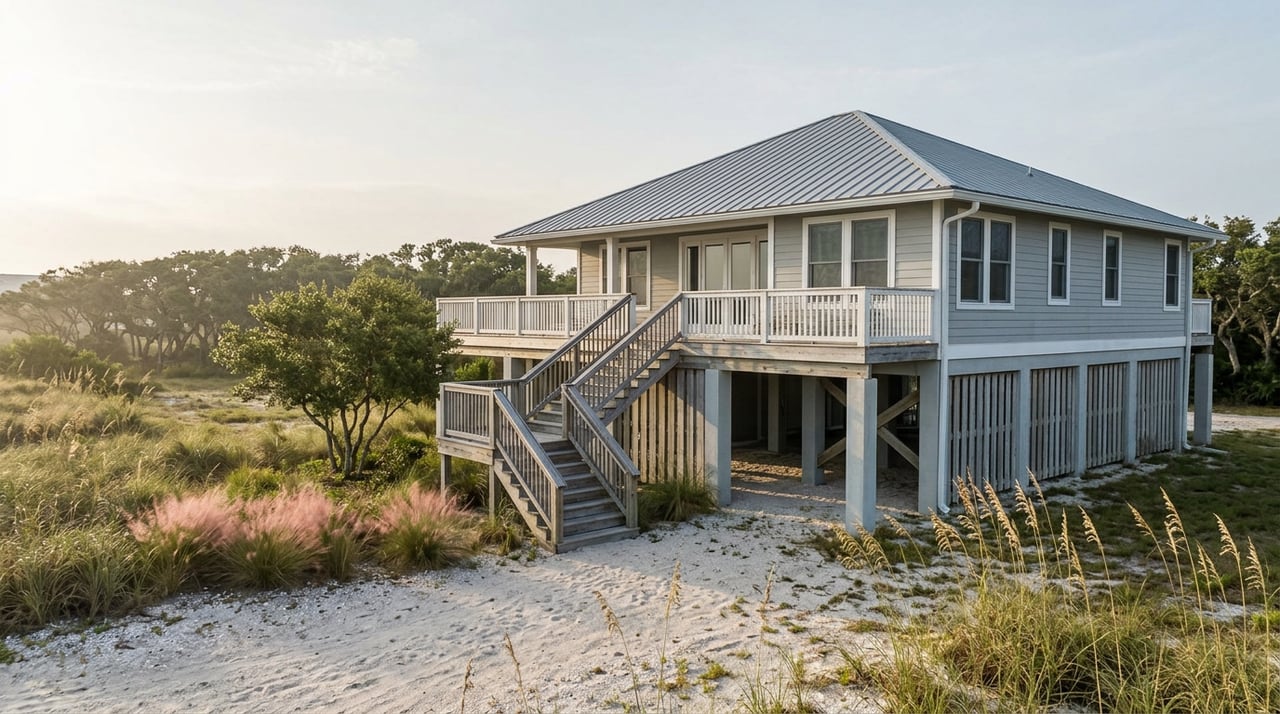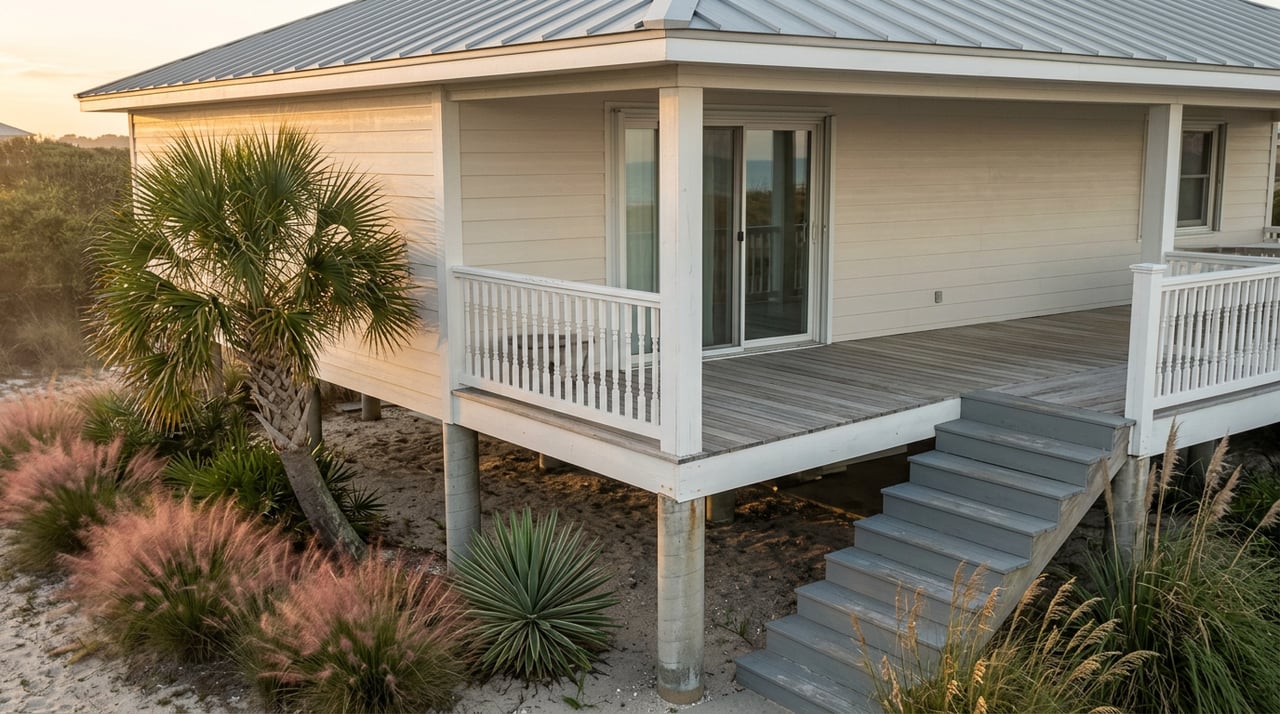
Dreaming about a beach place you can slip away to on Friday and rent out when you’re not there? In Galveston, that vision is absolutely doable, but the numbers work best when you know what to expect. Coastal homes carry unique costs and rules that can surprise even seasoned buyers. In this guide, you’ll learn how to budget for a second home in Galveston, whether you plan to use it purely for your family or as a short-term rental. Let’s dive in.
Galveston market basics
Galveston draws steady tourism thanks to beaches, festivals, fishing, and cruise traffic. That demand supports short-term rentals, but it is highly seasonal with stronger performance from spring through summer and during major event weekends. City resources and visitor data can help you understand peak season patterns from the City of Galveston.
Inventory is diverse. You’ll find beachfront and bayfront single-family homes, elevated inland properties, harbor and canal homes, and many condos along the Seawall and near downtown. Each property type has a different maintenance and insurance profile, which affects your budget.
If you intend to rent, model revenue using conservative occupancy and nightly rates. Local data platforms like AirDNA market analytics or quotes from a Galveston property manager can help you set realistic assumptions.
One-time costs at purchase
Down payment and closing costs
Lenders classify properties as primary residence, second home, or investment. For second homes, plan on a minimum down payment typically in the 10 to 20 percent range. If the lender classifies the home as an investment, expect higher down payments, often 15 to 25 percent, and stricter reserve requirements.
Buyer closing costs in Texas generally run about 2 to 5 percent of the purchase price. This can include lender fees, appraisal, title charges, and recording fees. Local custom can affect who pays which title items, so confirm current practices before you write your offer.
Inspections and elevation information
Budget for a general home inspection and pest inspection. For coastal properties, you may also need an elevation certificate, a windstorm inspection, and sometimes specialized structural review. An elevation certificate helps insurers price flood coverage and can be obtained or updated by a surveyor; you can check flood zones through the FEMA Flood Map Service Center.
Post-close upgrades and mitigation
Many buyers plan immediate updates to strengthen storm resilience. Common projects include impact-rated windows, reinforced roof connections, exterior sealing and paint, elevating utilities, and adding flood vents where required. Set aside a contingency fund so you can act quickly after closing.
Ongoing ownership costs
Property taxes
Texas funds local services through property taxes instead of a state income tax, so bills can feel higher than in some other states. Second homes generally do not qualify for a homestead exemption. To estimate and verify the bill, review the parcel record with the Galveston Central Appraisal District, then plan for the assessed amount after your purchase.
Homeowners, wind, and flood insurance
Coastal insurance premiums are higher due to wind and hurricane exposure. Some properties obtain wind coverage through private carriers, while others rely on the Texas Windstorm Insurance Association. Windstorm deductibles are often percentage-based, such as 1 to 5 percent of dwelling coverage. The Texas Department of Insurance is a helpful consumer resource for understanding coverage types and market conditions.
Flood insurance is usually required if the property is in a FEMA Special Flood Hazard Area and you finance with a federally regulated lender. Premiums vary by flood zone, elevation, and structure type. Use the FEMA Flood Map Service Center to identify the flood zone, then request quotes to compare NFIP and private policies.
HOA and condo fees
Many condo buildings and planned communities carry monthly or quarterly HOA fees. Coastal associations often budget more for building insurance, exterior maintenance, and storm reserves. Review current budgets and reserve studies, and ask about any recent or pending special assessments.
Utilities and services
Expect higher cooling costs in the summer and baseline charges even when the home sits vacant. Plan for electricity, water, sewer, trash, internet, and any alarm or smart-home monitoring. If you leave seasonally, budget for occasional winterization or dehumidification.
Maintenance and repairs
Salt air accelerates wear on paint, metals, decking, and HVAC components. A practical planning range for coastal homes is 1.5 to 4 percent of the property’s value per year for maintenance and repairs. Also budget for capital items on a cycle, such as roof replacement and HVAC systems.
Property management and STR operations
If you rent short-term, full-service management often ranges from 20 to 35 percent of gross rent, plus cleaning and supplies per booking. Long-term property management commonly runs 8 to 12 percent of monthly rent. Add platform fees, turnover costs, linens, restocking, and higher utility use to your operating budget.
Occupancy taxes and permits
Short-term rentals in Galveston require local compliance and tax collection. Texas state hotel tax is 6 percent, and local jurisdictions add their own rates. Register, collect, and remit as required by the City and County; start with the City of Galveston for current rules and processes.
Cash reserves
Second-home owners benefit from healthy reserves. Consider these guidelines:
- Emergency repair reserve: 5,000 to 25,000 dollars depending on size and exposure.
- Annual maintenance reserve: 1.5 to 4 percent of property value.
- If renting short-term: at least 3 to 6 months of operating expenses in cash.
- If not renting: 3 to 6 months of mortgage, taxes, and insurance.
Financing, taxes, and rental income
Lenders may require 2 to 6 months of PITI reserves for second homes and more for investment loans. Appraisals on coastal properties can take longer due to unique comps and elevation factors, so build time into your closing schedule.
For taxes, mortgage interest on a qualified second home is generally deductible, subject to federal limits. The state and local tax deduction is capped at the federal SALT limit, which can affect high property-tax states. If you rent, you must report rental income and may deduct eligible expenses and depreciation according to IRS Publication 527. The IRS 14-day rule can exclude income if you rent the home for 14 days or fewer and meet personal-use thresholds. Confirm specifics with your tax advisor.
Hazard awareness and compliance
Galveston is a barrier-island market with hurricane risk, storm surge, and coastal erosion concerns. Stay storm-ready using seasonal guidance from the National Hurricane Center. When shopping, verify windstorm eligibility and typical deductibles with your insurer or the Texas Windstorm Insurance Association.
Local building codes and floodplain rules shape how structures are elevated and improved. Before renovating or building, review the City’s official resources and permit requirements through the City of Galveston. If you plan to run a vacation rental, follow local registration and safety standards and set up occupancy-tax collection from day one.
Sample budget framework
Use this checklist to organize your numbers before you write an offer:
Upfront at purchase
- Down payment: 10 to 25 percent of purchase price based on loan type and use.
- Closing costs: 2 to 5 percent of purchase price.
- Inspections and surveys: general inspection, pest, elevation certificate, windstorm inspection if needed.
- Immediate mitigation and upgrades: impact windows, roof ties, exterior sealing, utility elevation, flood vents.
First-year operating plan
- Property taxes: confirm with the Galveston Central Appraisal District.
- Homeowners and wind coverage: compare quotes; review windstorm deductibles via the Texas Department of Insurance and insurer documents.
- Flood insurance: check flood zone with the FEMA Flood Map Service Center and obtain address-specific quotes.
- HOA or condo dues: review budgets, reserves, and recent assessments.
- Utilities: electricity, water, sewer, trash, internet, and monitoring.
- Maintenance and repairs: 1.5 to 4 percent of property value.
- Property management: 20 to 35 percent for STR or 8 to 12 percent for long-term, plus cleaning and supplies.
- Occupancy taxes and permits: follow current City and County requirements.
Reserves to hold
- Operating cash: 3 to 6 months of expenses.
- Emergency fund: 5,000 to 25,000 dollars.
- Capital reserve: plan for roof, siding, decks, and HVAC based on age and condition.
Pro tips to protect your budget
- Price insurance early. Get address-specific quotes for homeowners, wind, and flood before you lift contingencies. Ask about percentage-based deductibles and coverage exclusions.
- Choose property type with eyes open. Condos can shift some maintenance to the association, but monthly dues can be higher and may rise after storms. Standalone homes provide control but often require more hands-on upkeep.
- Invest in storm-hardening. Improvements like impact windows and reinforced roof connections can help reduce damage risk and may improve insurability.
- Model conservative rental income. Use AirDNA market analytics or local manager estimates and bake in higher turnover costs and occupancy taxes.
- Build a strong local team. A Galveston-focused agent, insurance broker, property manager, and coastal-savvy inspector make a real difference when the gulf weather turns.
Your next step
A second home should feel like a pleasure, not a project. When you have clear numbers and a steady local guide, you can enjoy the island lifestyle and protect your investment. If you want help pricing insurance, modeling rental income, reviewing elevation and windstorm questions, or coordinating remote tours and inspections, reach out to Spagnola Realty Group for concierge-level, investor-minded support.
FAQs
What is a realistic down payment for a Galveston second home?
- Many second-home buyers should plan for 10 to 20 percent down, while investment loans often require 15 to 25 percent; confirm exact requirements with your lender.
How do wind and flood insurance work in Galveston?
- Coastal homes often need separate wind coverage with percentage-based deductibles and flood insurance if in a FEMA flood zone; consult the Texas Department of Insurance, Texas Windstorm Insurance Association, and the FEMA Flood Map Service Center for guidance and quotes.
Do I owe hotel occupancy taxes if I rent short-term?
- Yes, short-term rentals must collect and remit Texas state hotel tax of 6 percent plus local taxes and follow local registration rules; check the City of Galveston for current requirements.
How much should I budget for maintenance on a coastal home?
- A practical range is 1.5 to 4 percent of the home’s value per year due to salt air, wind exposure, and faster wear on exteriors and HVAC systems.
How does the IRS 14-day rule affect my vacation home rental income?
- If you rent the home 14 days or fewer and meet personal-use rules, that rental income may be tax-free; beyond that, you must report income and allocate expenses per IRS Publication 527.
Where can I track storm season and preparedness?
- Use updates and preparedness resources from the National Hurricane Center and review local guidance before peak season each year.