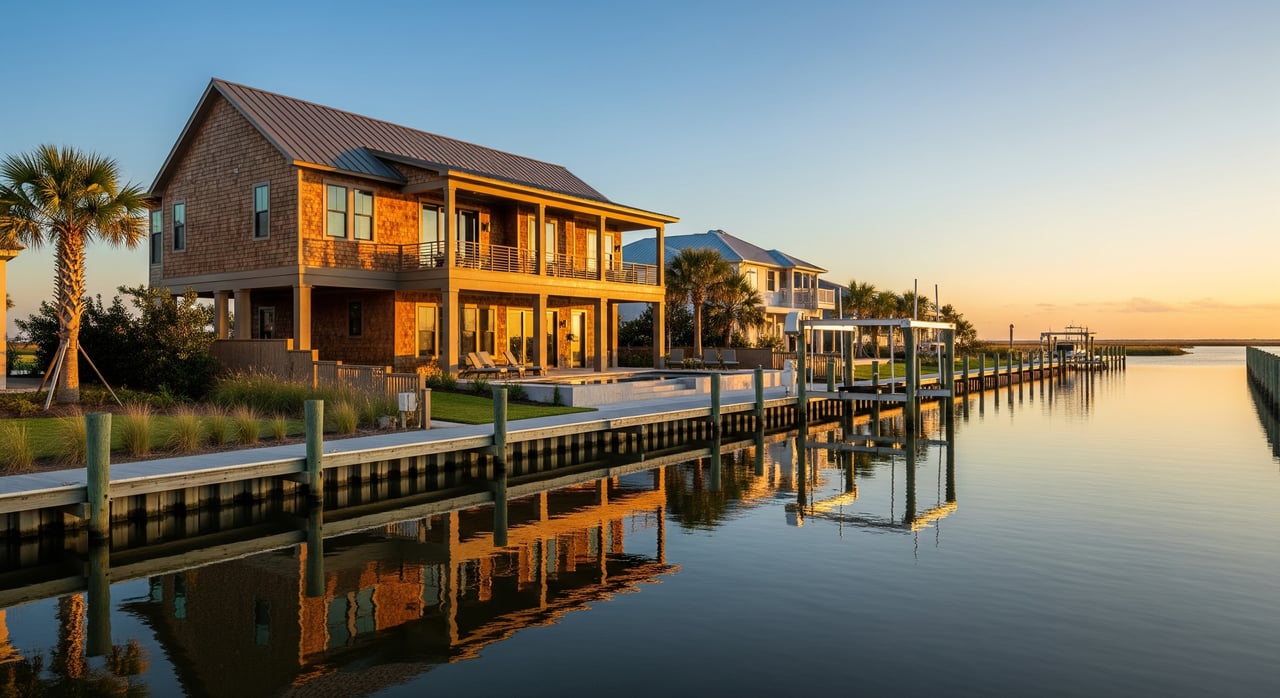
Dreaming of sunset cruises from your own dock in Galveston’s West End? Choosing the right canal home in 77554 is about more than a great view. You want safe, reliable water access, sound structures, and a plan for storms and insurance. This guide walks you through the essentials so you can buy with confidence and enjoy the lifestyle you want. Let’s dive in.
Why West End canal living stands out
West End neighborhoods offer canal and bay access with private docks, quick routes to Galveston Bay, and, in some areas, paths toward the Gulf. Canal systems vary in width, depth, and orientation, which affects navigation and the types of boats that work well. Some canals open quickly to wide water while others connect through narrower channels that can impact turning radius and wake.
You also need to plan for coastal risks. Historic storms like Hurricane Ike caused significant damage across Galveston, and the area faces coastal flood and high-wind exposure. Building rules, flood maps, and permitting fall under local and federal programs, including FEMA floodplain management, the Texas General Land Office, and the U.S. Army Corps of Engineers.
Match the canal to your boat
Channel depth and clearance
Start with your intended boat size and draft. Depth at mean low tide, bridge or powerline clearance, and turning space in your canal determine whether daily use is practical. In tighter canals, longer boats may face challenges when docking or turning.
Dock and lift fit
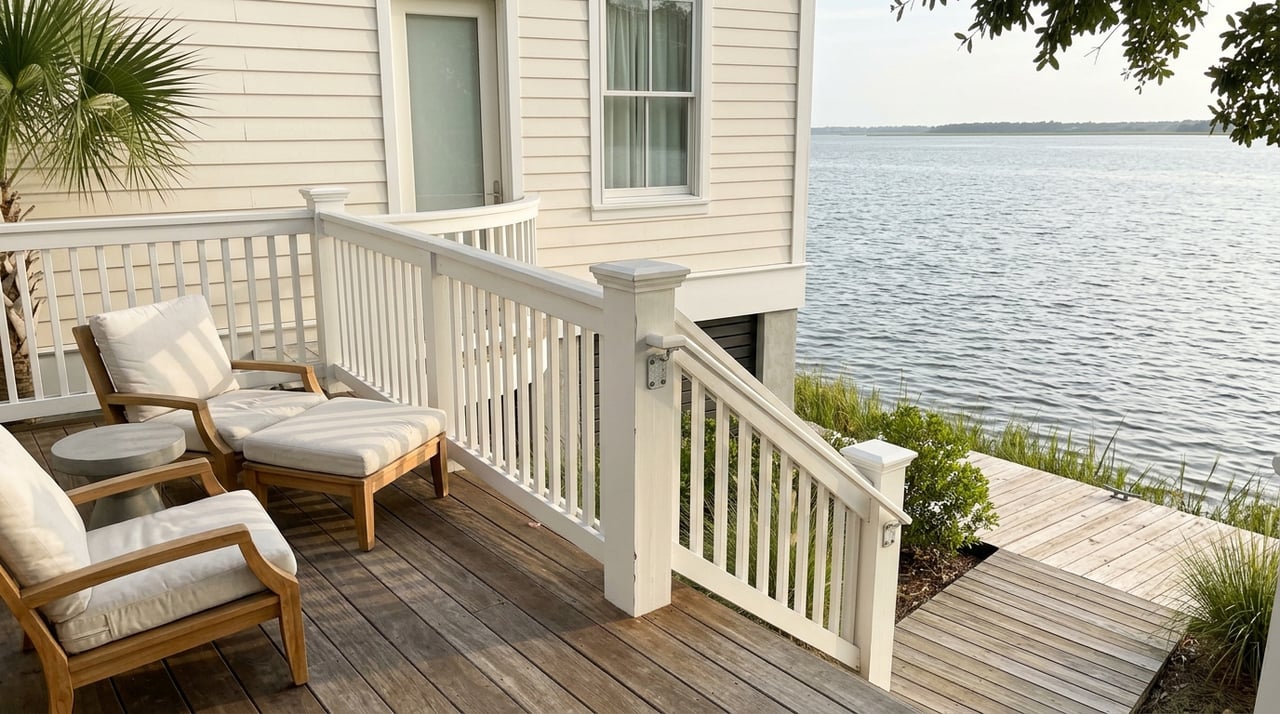
Check the dock’s configuration, piling spacing, and lift capacity. Review construction materials, corrosion, and any lift controls or electrical at the dock. Ask for permit records and the age of pilings and lift equipment.
Noise and wake patterns
Canal traffic varies by location. Homes near public access points or wider channels can experience more wake and noise. If that matters to you, visit at different times of day and on a weekend to get a real sense of activity.
Access to services
Proximity to marinas, fuel, repair services, and launch ramps improves convenience and resale appeal. Shorter run times to open water can be a key value driver when you sell.
Evaluate the property itself
Seawall and bulkhead condition
The seawall or bulkhead protects the land from erosion and storm surge. Review the construction type, age, and any maintenance or repair history. Ask who owns and maintains it and whether the HOA shares responsibility or assessments.
Lot and elevation
Elevation affects flood risk and insurance. Ask for an Elevation Certificate if one exists. Compare the first-floor elevation to the current Base Flood Elevation to understand potential premium impacts and mitigation options.
Survey and shoreline rights
Obtain a current property survey that shows the water boundary, dock location, and any encroachments. Confirm ownership details and whether submerged land leases apply.
Soil and foundation
Coastal soils can affect foundation type and seawall longevity. If you plan major renovations or seawall work, consider a geotechnical review. Stable pilings and proper scour protection matter for long-term performance.
Utilities at the dock
Check for safe, code-compliant electrical at the dock and functional water hookups. Look for corrosion, proper grounding, and weatherproof components. Verify any permits or inspections on file.
Insurance, risk, and cost
Flood zones and elevation certificates
If a property is in a Special Flood Hazard Area, lenders will require flood insurance. Elevation Certificates are often used to price National Flood Insurance Program policies and may reduce premiums if the living level is above Base Flood Elevation.
Windstorm coverage
Coastal homes typically need separate wind or hurricane insurance. Availability and rates vary, and buyers should seek multiple quotes. Programs that serve Texas coastal counties can provide options when private markets are limited.
Private vs. NFIP flood insurance
Private flood insurers may offer competitive pricing or different coverage features. Underwriting appetite changes over time, especially after storm seasons. Request quotes from both the NFIP and private carriers to compare.
Lending and escrow
Some lenders apply tighter standards for coastal properties, such as larger down payments or escrow reserves for insurance. If you plan improvements, certain renovation loans may allow mitigation upgrades like elevating utilities or adding flood vents.
Community factors to check
Dredging schedules and costs
Sedimentation can reduce canal depth over time. Ask how often your community dredges, who oversees it, and how assessments are handled. Confirm whether dredging is planned and if any special fees are pending.
HOA rules and assessments
Review HOA CC&Rs for dock size limits, boat types, architectural guidelines, and noise rules. Look for notes about common seawall programs, dredging obligations, or past assessments related to waterfront infrastructure.
Long-term resilience
Sea-level rise and land subsidence can increase flood frequency over decades. Understanding current rules and potential policy updates helps you plan maintenance, permitting, and long-term costs.
Smart due diligence timeline
Before you write an offer
- Confirm the FEMA flood zone and request any existing Elevation Certificate.
- If boat access is critical, do a quick depth check at or near mean low tide.
- Walk the dock and seawall to spot obvious issues and review HOA rules.
While under contract
- Schedule a home inspection with coastal experience.
- Order a seawall and dock assessment by a marine contractor or coastal engineer.
- Obtain or update the Elevation Certificate if needed.
- Run title and permit checks, including any submerged land lease.
- Request HOA documents and any records on dredging or assessments.
Before closing
- Secure flood and wind insurance quotes with accurate data.
- Verify dock utilities and any septic or sewer details.
- Confirm permits, as-builts, and maintenance records for the dock and seawall.
After you purchase
- Budget for near-term dock or seawall maintenance.
- Set up a recurring inspection and corrosion protection plan.
- Track HOA communications on dredging and canal maintenance.
For sellers: maximize resale value
Document the waterfront story
Assemble recent seawall and dock inspections, permits, and service records. Provide clear details such as depth at mean low tide, boat lift capacity, and utility upgrades. Buyers value transparent documentation.
Present the lifestyle
Highlight time to open water, nearby marinas, and ease of docking. Clean the dock area, stage outdoor spaces, and show safe lighting and access. Simple updates can elevate perceived quality.
Tackle key repairs early
Address obvious corrosion, loose hardware, or decking issues before listing. Proactive maintenance and clear permits help avoid delays and build buyer confidence.
Work with a local, waterfront-savvy team
Canal homes are a niche market in Galveston’s West End. You want guidance on dock fit, insurance, permitting, and long-term upkeep so your home serves your lifestyle. As Galveston-rooted advisors with luxury marketing and technical partners, we help you choose the right canal, evaluate seawalls and docks, and close smoothly whether you are local or remote.
Ready to find the right canal home in 77554 or prepare your property for market? Connect with Spagnola Realty Group for concierge-level guidance and exclusive access to top listings.
FAQs
What flood risks affect West End canal homes?
- Coastal flood and storm surge are primary risks. Check FEMA maps, ask for an Elevation Certificate, and review any history of flood claims to understand exposure and insurance needs.
Who maintains the seawall and canals for a property?
- Ownership and maintenance vary by neighborhood. Confirm responsibilities in the title report and HOA documents and ask about any current or pending assessments.
What permits are needed to repair or replace a dock?
- Dock and seawall work often requires local permits and may need state or federal authorization for activity below the high-water mark. Confirm requirements before starting any work.
How can I tell if my boat will work at a given home?
- Verify depth at mean low tide, check turning space and bridge clearance, and confirm the dock and lift are configured for your vessel’s length, beam, draft, and weight.
How do flood and wind insurance costs vary in 77554?
- Costs depend on flood zone, elevation, mitigation features, and insurer appetite. Get multiple quotes for NFIP and private flood coverage, plus windstorm options, using current elevation data.
What long-term risks should I consider for resale?
- Watch for changes in flood maps, evolving insurance markets, and anticipated seawall or dredging costs. Homes with documented maintenance and reliable water access tend to hold value better.