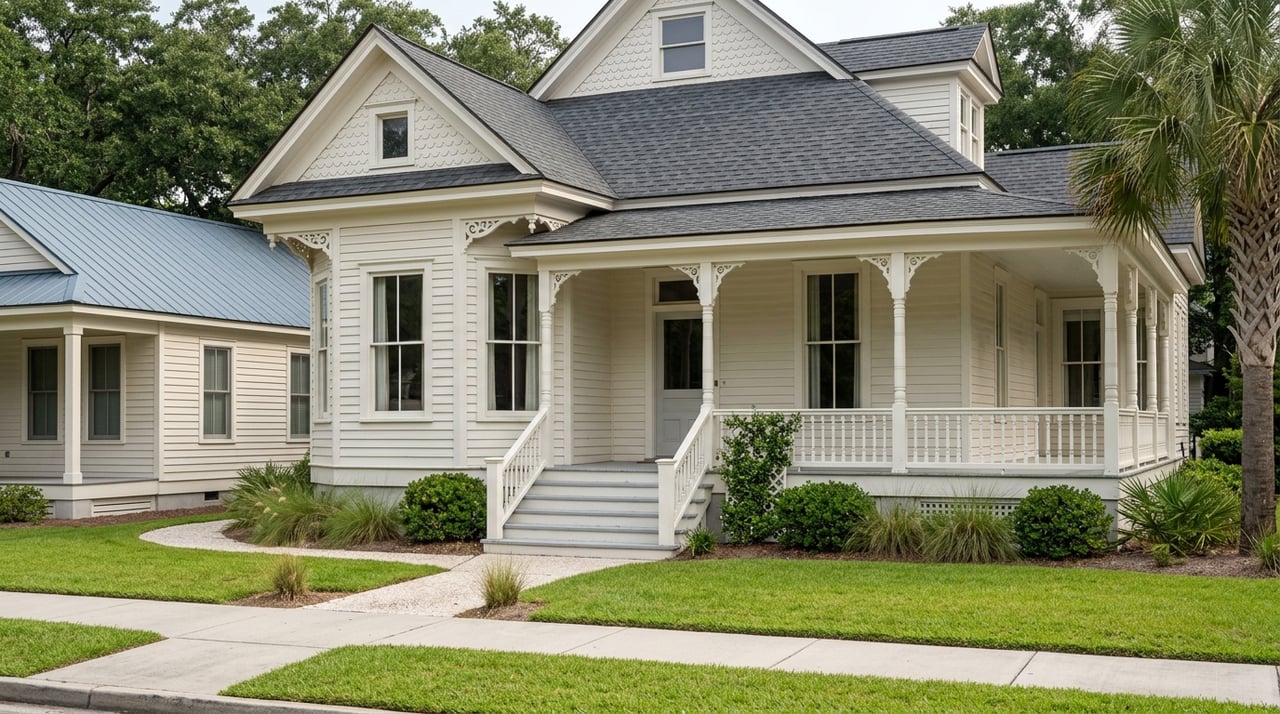
Trying to decide between a charming cottage and a grand historic estate in Galveston’s East End? You are not alone. This neighborhood offers two very different ownership experiences, even within the same historic district. If you are weighing character, space, upkeep, and long-term fit, this guide will help you sort through the tradeoffs so you can move forward with more confidence. Let’s dive in.
Why East End Feels So Distinct
Galveston’s East End Historic District sits right next to downtown and holds a unique place in the city’s story. It was Galveston’s first residential neighborhood, became the city’s first locally designated historic district in 1971, expanded in 1994, and is also listed as a National Historic Landmark.
That history matters when you buy here. You get close-in access to downtown along with a neighborhood shaped by preservation standards that help protect its historic character.
The East End is also known for its broad range of home styles. The City of Galveston describes it as a place of modest bungalows and grand mansions, which means you can find both smaller cottages and much larger estate-style homes within the same district.
East End Cottages at a Glance
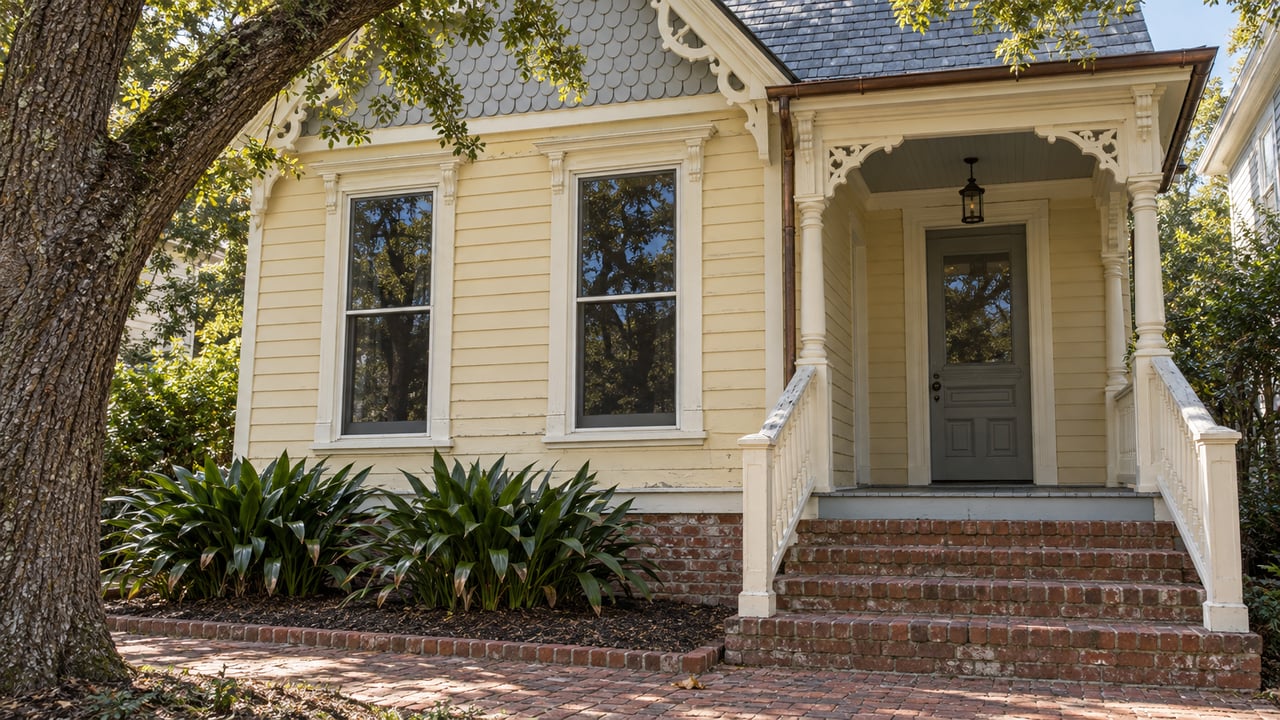
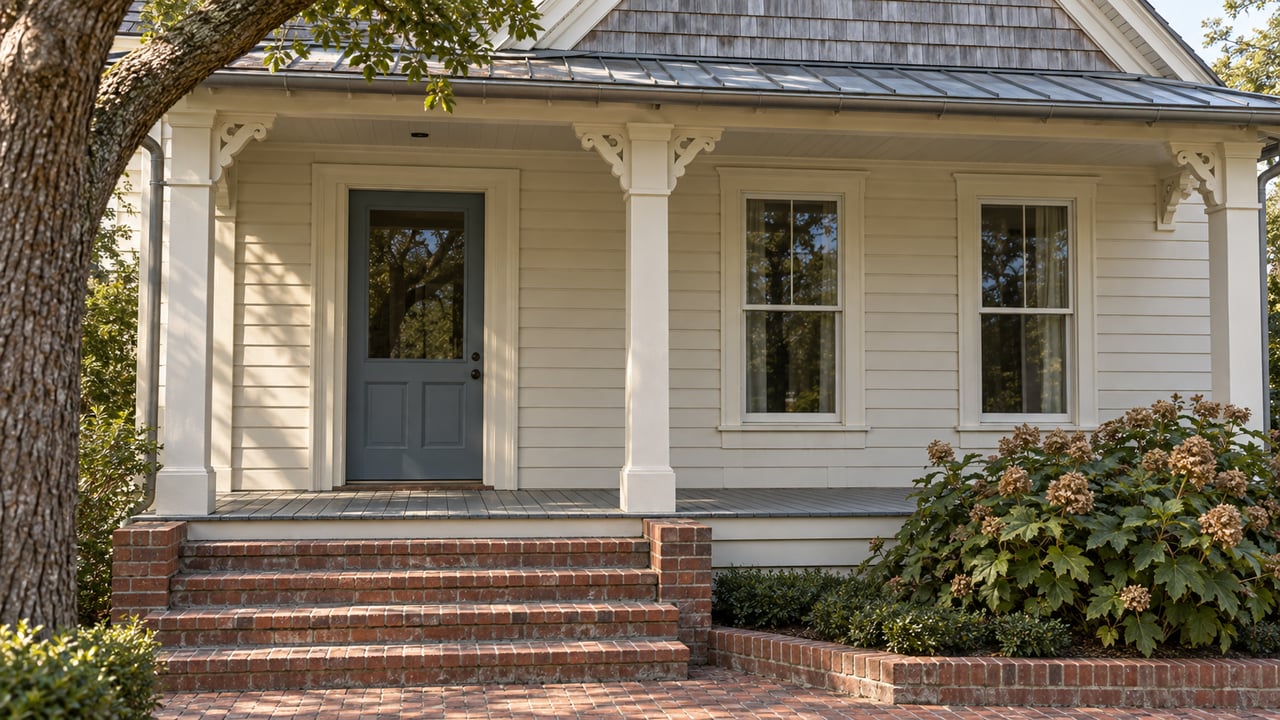
Smaller historic cottages are often the more compact option in the East End. The city’s design standards describe Galveston’s dormered cottage, sometimes called the Gulf Coast Cottage, as a modest one- or one-and-a-half-story wood structure on a pier-and-beam foundation, with roof dormers that add a half-story.
If you are drawn to historic charm without taking on a very large house, that can be appealing. In practical terms, cottages often offer a smaller footprint and a simpler layout than the district’s larger homes.
Historic design also shaped how many of these homes functioned. Galveston Historical Foundation notes that some smaller floor plans were arranged to improve airflow, with the front door, stair, hallway, and rear opening aligned so air could move through the house.
Why buyers like cottages
Cottages often make sense if you want:
- Historic character in a smaller home
- A more manageable scale for day-to-day upkeep
- A simpler ownership experience than a large estate-style property
- A home that still feels tied to the East End’s architectural identity
That said, smaller does not mean carefree. Exterior work on a historic cottage may still require review, and major systems still need careful evaluation.
East End Estates at a Glance
At the other end of the spectrum, the East End is also known for larger and more formal homes. The city’s design standards point to grand mansions and larger double-gallery houses, noting that five-bay double-gallery houses are typically larger structures.
If you want architectural presence, entertaining space, or a home that feels more dramatic in scale, estate-style properties may fit better. These homes often deliver the kind of visual impact that draws buyers to Galveston’s historic core in the first place.
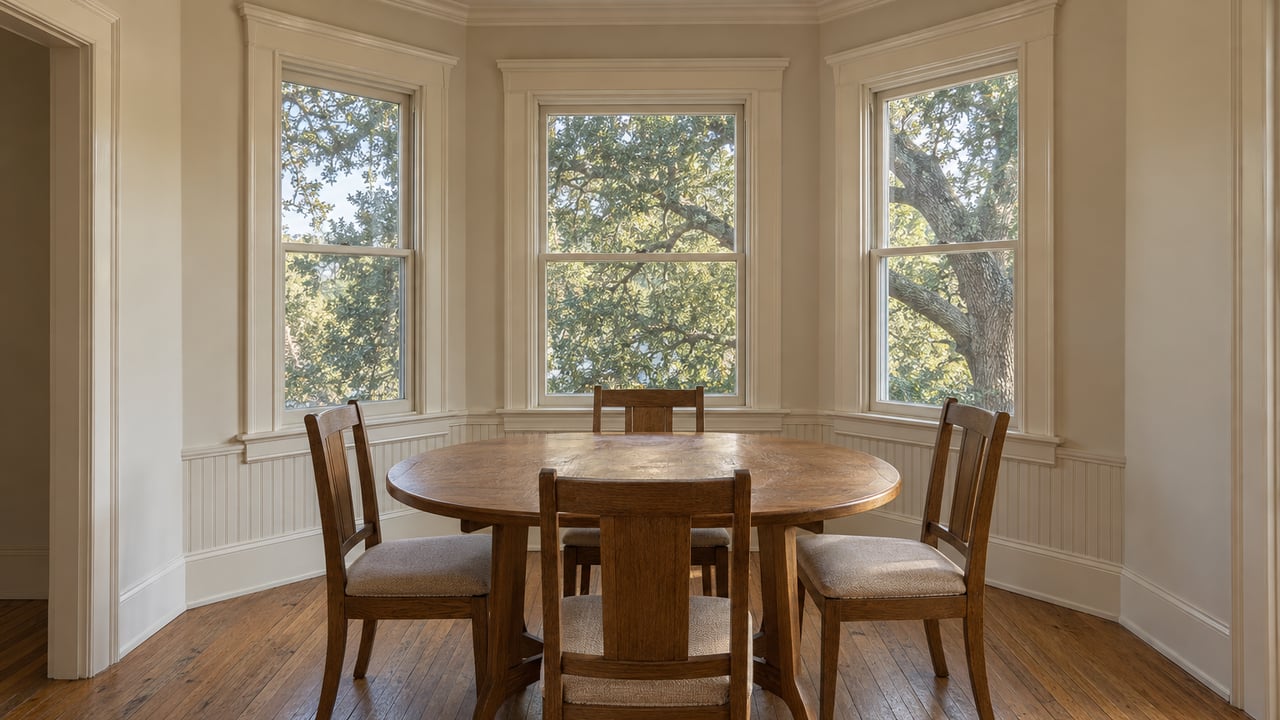
Galveston Historical Foundation highlights features often associated with larger Victorian homes, including tall ceilings, interior shutters, transom windows, double-hung windows, central staircases, and sometimes cupolas or widow’s walks. These details can add beauty and airflow, but they also point to a larger and more complex building envelope.
Why buyers like estates
Estate-style homes may be a better fit if you want:
- More interior space
- A stronger sense of historic scale and formality
- Room for hosting or multi-purpose living
- Distinctive architectural details that stand out
In exchange, you should be ready for a larger preservation and maintenance commitment over time.
The Biggest Difference: Simplicity vs Presence
For many buyers, the choice comes down to a simple question: do you want a home that feels easier to manage, or one that offers more presence and space?
Cottages usually trade size for simplicity. Estate-style homes usually trade simplicity for architectural drama, room count, and a more formal historic identity.
Neither option is automatically better. The better fit depends on your lifestyle, your budget for ongoing upkeep, and your comfort with long-term ownership responsibilities in a historic coastal setting.
What Maintenance Really Looks Like
In the East End, maintenance is not just about appearance. Galveston is on a barrier island, with exposure to erosion, sea-level change, and coastal storm risk, so ownership should be viewed through a resilience lens as well as a design lens.
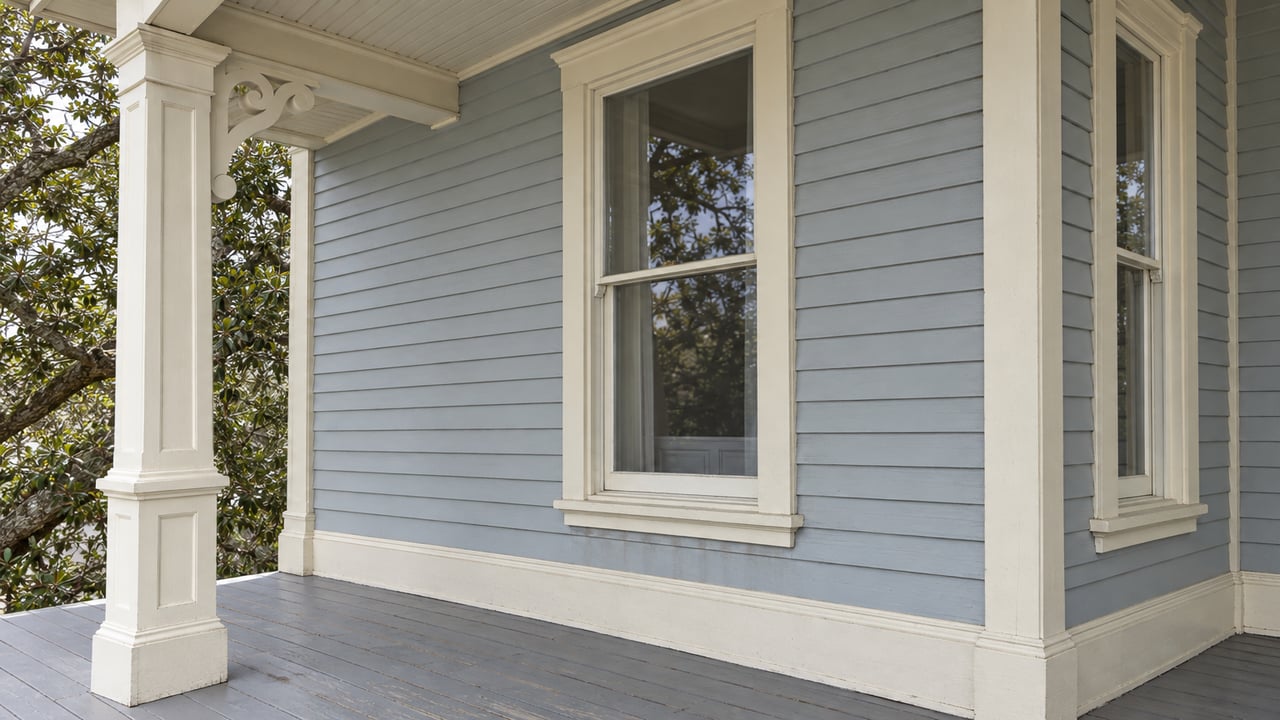
That means you should look closely at the condition of the roof, foundation, siding, windows, and mechanical systems. Those items matter just as much as trim details, porch appeal, or period charm.
The city specifically flags roof replacement as an East End concern. Its rehabilitation program also identifies roof, foundation, siding, electrical, plumbing, and HVAC work as qualifying improvements because those projects help extend the life of the building.
Why size affects upkeep
A smaller cottage may involve less roof area, less siding, and less interior volume to maintain. A larger estate-style home may offer more living space and design impact, but it can also mean more materials, more systems, and more areas that may need repair over time.
This is one of the clearest practical differences between the two property types. Before you fall in love with a facade, it helps to think about the full scope of ownership behind it.
Renovation Rules Matter in East End
Historic district rules are a major part of the decision. In Galveston’s East End, exterior changes, additions, demolition, moderate repair, and replacement of architectural features require Landmark Commission review.
Interior alterations are not reviewed by the commission. That distinction can be helpful if you want to update how a home lives on the inside while preserving its exterior historic character.
The city recommends doing due diligence with Development Services before buying because most projects must conform to the Design Standards for Historic Properties. It also notes that outstanding compliance issues stay with the property.
Questions to ask before you buy
Before you choose a cottage or an estate, ask:
- What exterior work has been completed, and was it approved?
- Are there any outstanding compliance issues tied to the property?
- What big-ticket items may need attention soon?
- If you plan to renovate, what parts of the project would require review?
- How will the home’s size affect your renovation timeline and budget?
These questions can help you compare two homes that may look equally appealing at first glance but carry very different ownership realities.
Energy Updates and Preservation Can Coexist
Owning a historic home does not always mean giving up on efficiency improvements. The city’s rehab program allows certain energy-efficiency upgrades, including attic and floor insulation, interior window insulation, and radiant barriers, as long as historic integrity is retained.
That can be especially helpful if you are buying an older home and want to improve comfort without losing the character that made you want the property in the first place.
Galveston Historical Foundation’s Preservation Resource Center can also support prospective owners with property-history research and technical rehabilitation guidance. In a district with older homes and original materials, that local support can be valuable.
Floodplain and Coastal Planning Count Too
If you are buying in the East End, it is smart to think beyond finishes and floor plans. Coastal ownership in Galveston often involves an added layer of planning around resilience, floodplain questions, and long-term property performance.
The city has a historic exemption request process for floodplain regulations, which is worth reviewing early if you are considering a purchase or renovation plan. It is one more reason to approach the East End with a full-picture mindset.
This matters for both cottages and estates. A beautiful home is only part of the equation. You also want to understand how the property functions, what it may need, and how local rules could shape your next steps.
Which Home Fits Your Goals?
If you want historic character with a smaller footprint and a more manageable rehab scope, a cottage may be the stronger fit. If you want more scale, more entertaining space, and a higher tolerance for ongoing preservation work, an estate-style home may suit you better.
Investor-minded buyers may also want to look at incentives. Galveston’s substantial rehabilitation program offers a 10-year freeze on City taxes for eligible historic properties, and Texas offers a 25 percent historic preservation tax credit for qualifying historic, income-producing or nonprofit-use buildings.
In the end, the right choice depends less on the East End itself and more on the kind of ownership experience you want. The neighborhood can support both paths. Your job is to match the house to your lifestyle, renovation goals, and comfort level with historic coastal stewardship.
If you are exploring East End cottages or estate-style homes in Galveston, Spagnola Realty Group can help you evaluate the character, condition, and long-term fit of each property with a local, high-touch approach.
FAQs
What is the East End Historic District in Galveston?
- The East End Historic District is Galveston’s first residential neighborhood, located next to downtown, and it is both a locally designated historic district and a National Historic Landmark.
What is a historic cottage in Galveston’s East End?
- A historic cottage in the East End is often a modest one- or one-and-a-half-story wood home on a pier-and-beam foundation, sometimes with dormers that add a half-story.
What defines an estate-style home in Galveston’s East End?
- Estate-style homes in the East End are generally larger historic houses, including grand mansions and larger double-gallery homes, often with more formal architecture and more interior space.
Do East End historic homes require approval for renovations?
- Yes, in the East End Historic District, exterior changes, additions, demolition, moderate repair, and replacement of architectural features require Landmark Commission review, while interior alterations are not reviewed by the commission.
What should buyers inspect first in an East End historic home?
- Buyers should pay close attention to the roof, foundation, siding, windows, and major systems like electrical, plumbing, and HVAC because those items are important for long-term durability in Galveston’s coastal environment.
Are there incentives for rehabilitating historic properties in Galveston?
- Yes, eligible historic properties may qualify for Galveston’s 10-year City tax freeze through the substantial rehabilitation program, and qualifying historic income-producing or nonprofit-use buildings in Texas may be eligible for a 25 percent historic preservation tax credit.