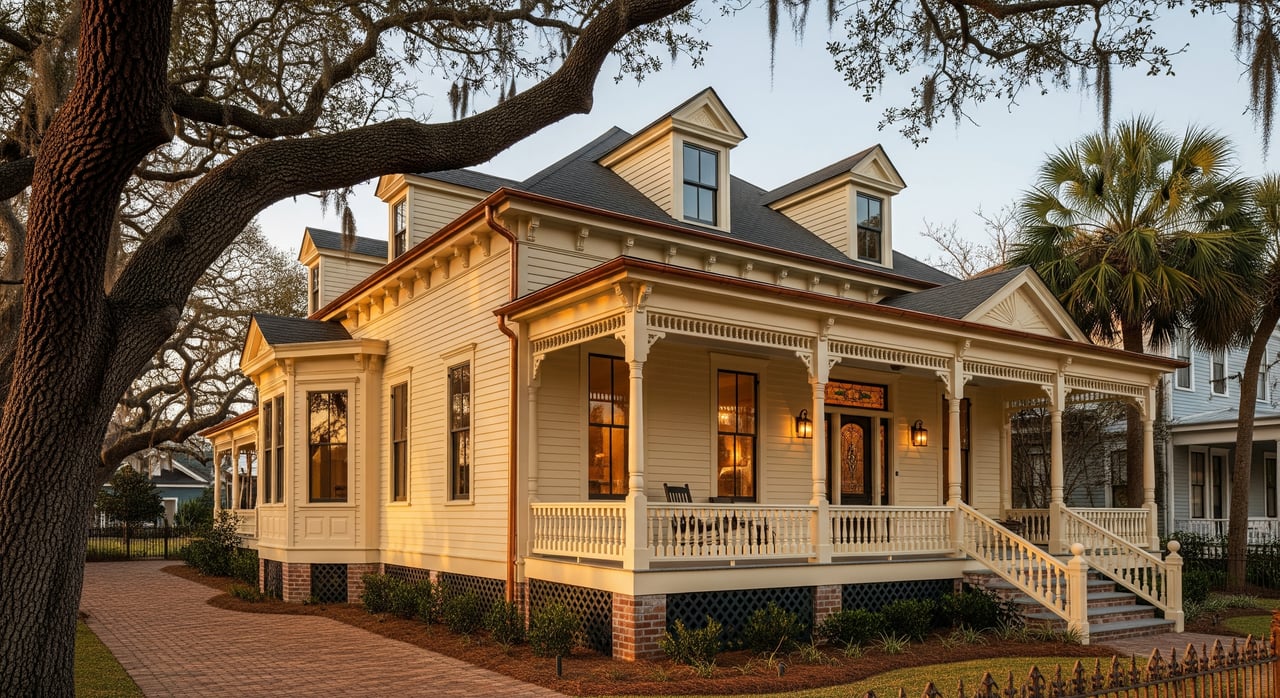
Does the charm of a Galveston painted lady have you dreaming about porch swings and gingerbread trim, but you are unsure what comes with owning a historic home? You are not alone. East End homes are beautiful, resilient, and special, yet they carry unique rules, inspections, and costs. This guide walks you through what matters most so you can buy confidently and plan your next steps with clarity. Let’s dive in.
Why East End historic homes stand out
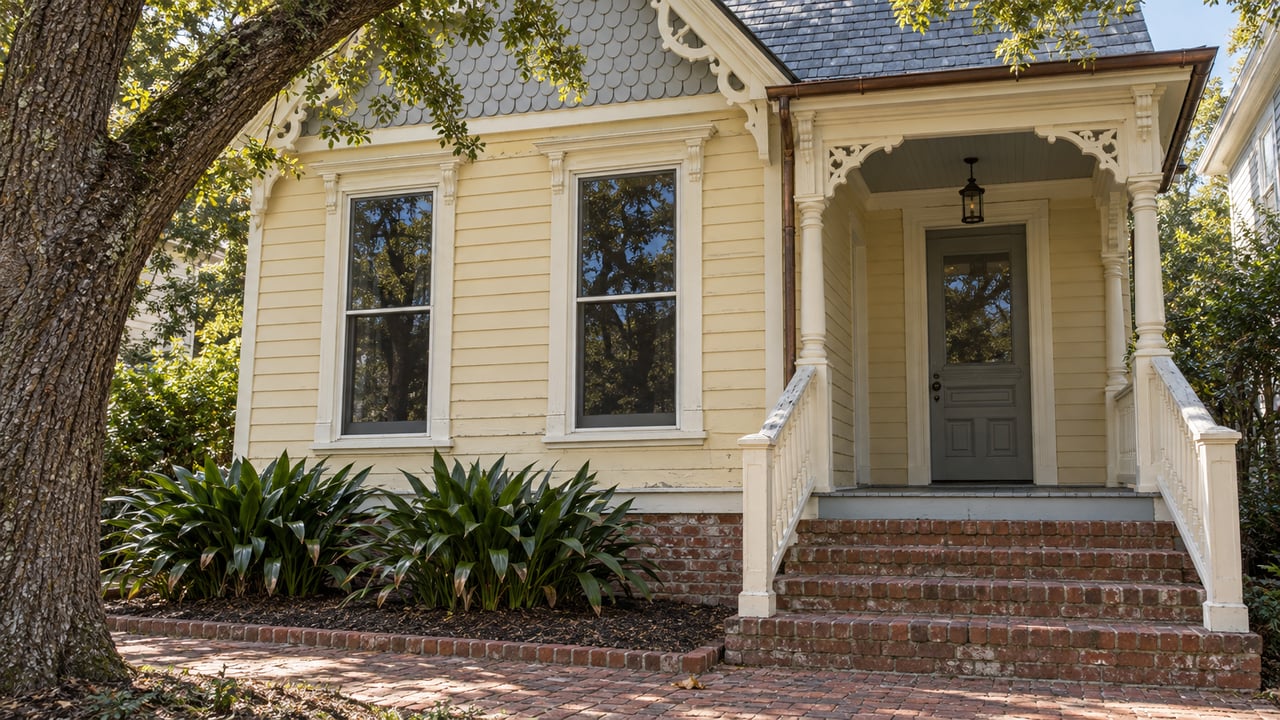
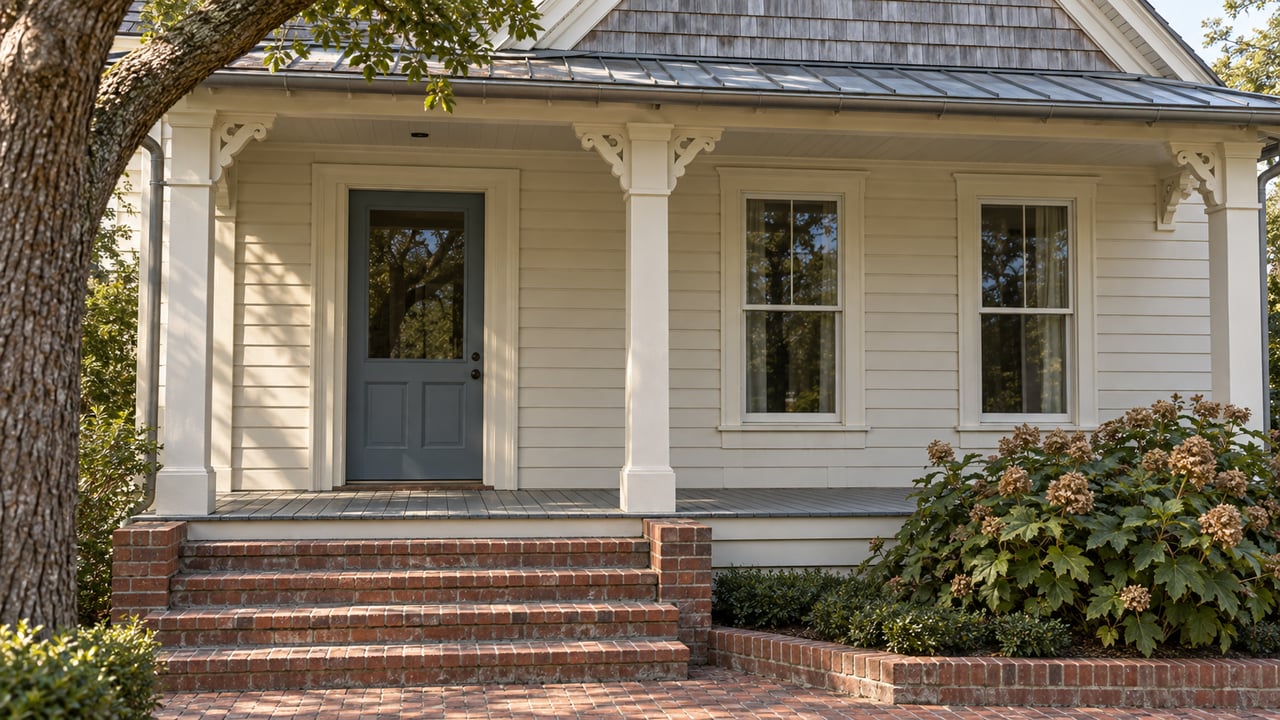
The East End Historic District offers one of Texas’s richest collections of 19th and early 20th century residences. You will find Queen Anne, Greek Revival details, shotgun houses, and classic Victorian-era architecture. The district’s historic designation helps protect the exterior character and streetscape, which is a key reason the neighborhood feels so cohesive and timeless.
What historic designation means for you
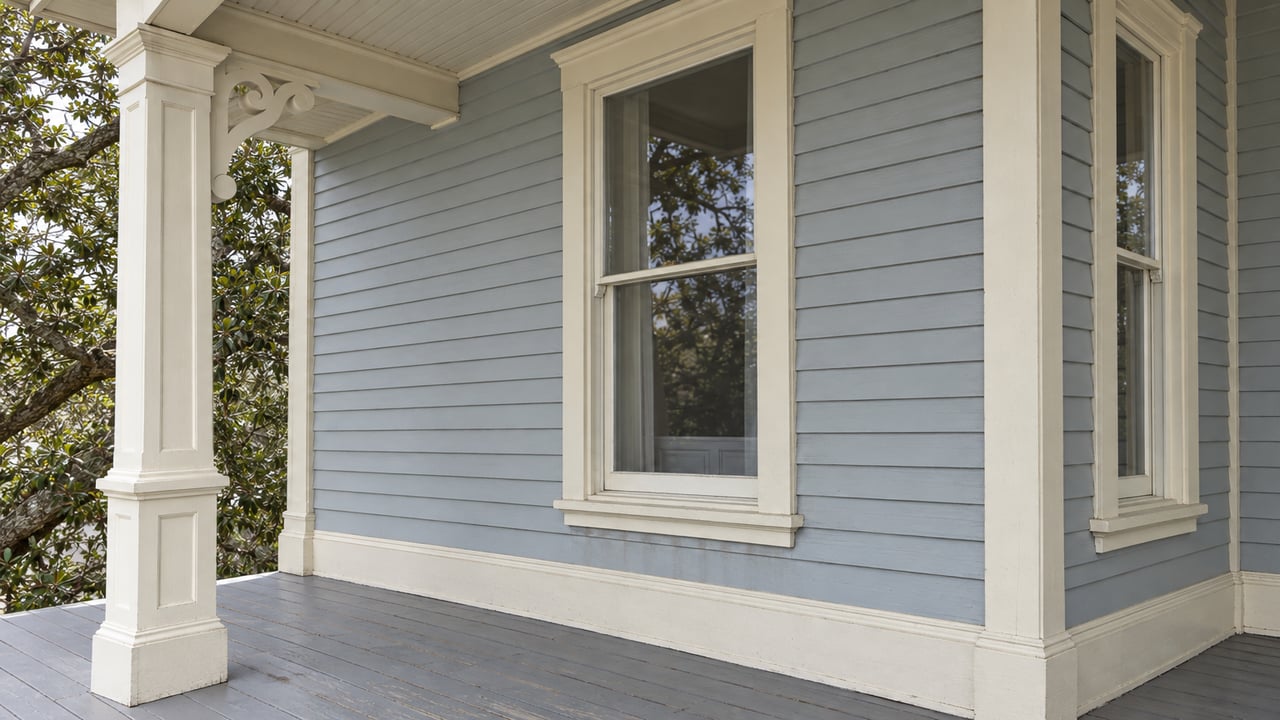
Owning in a local historic district usually means exterior changes need approval. That can include siding, windows, porches, rooflines, and additions. The goal is to preserve the home’s public-facing character while still allowing thoughtful updates.
Local review and approvals
Expect to seek a Certificate of Appropriateness for exterior changes. You may need drawings, material samples, and a clear scope of work. Build time for review into your schedule, especially if you plan to renovate soon after closing.
National Register listing vs. local rules
A National Register listing is mostly honorary for private owners. It does not restrict what you can do unless local ordinances apply. It may open the door to certain tax incentives for income-producing properties undergoing certified rehabilitation.
Interiors vs. exteriors
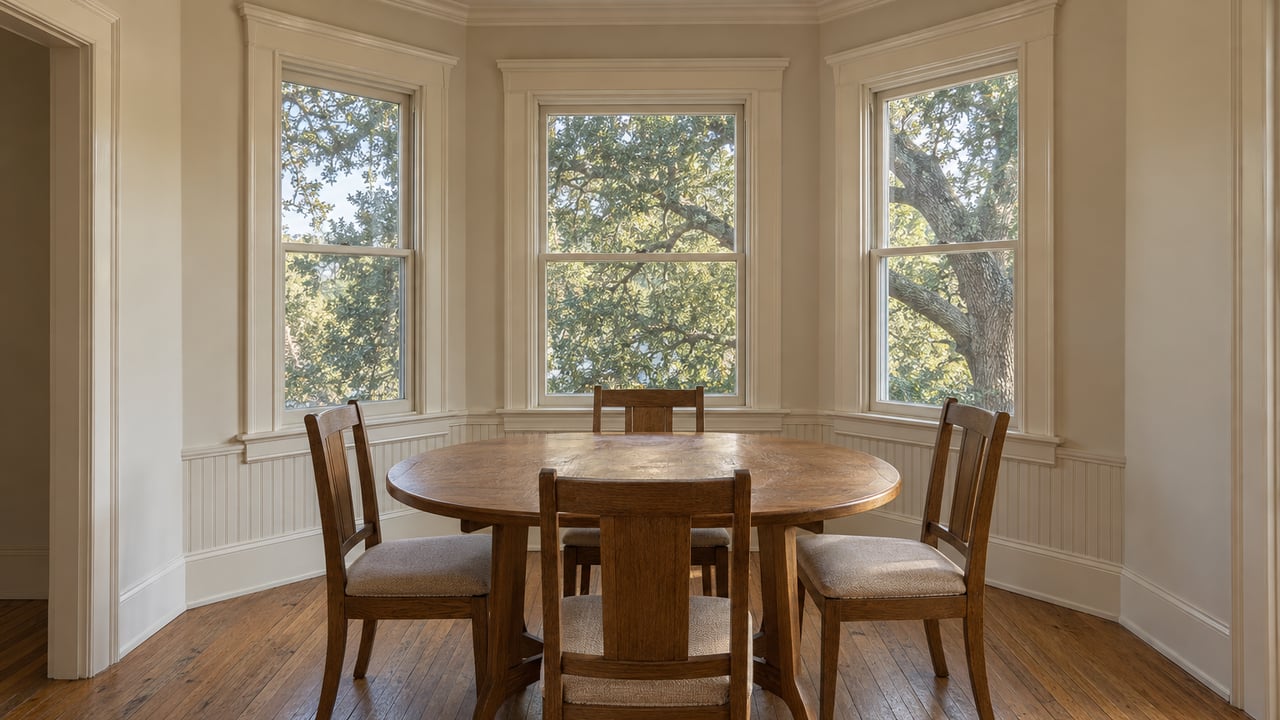
Most local review focuses on exteriors. Interior renovations are typically not regulated unless the property carries special interior landmark status. Confirm your property’s status with the City of Galveston before planning any major changes.
Demolition considerations
Demolition of contributing structures is often tightly controlled. Some ordinances require delay periods or proof of economic hardship. If you are evaluating a teardown, engage early with the city to understand feasibility and timing.
Permits, flood rules, and timing
In flood-prone areas, substantial improvements can trigger full compliance with current floodplain and building codes. That threshold is often tied to a percentage of a structure’s market value. If your planned work crosses it, you may need elevation or other flood mitigation to comply.
Plan your project timeline around both preservation review and building permits. If you intend to alter the exterior shortly after closing, negotiate contract timelines that let you submit for approvals without pressure.
Inspections that matter most in East End
Historic coastal homes deserve deeper due diligence. Add specialized inspections beyond the standard home inspection.
- Structural and foundation: Many homes sit on pier-and-beam or raised piers. Check for settlement, rot, rusted anchors, and uneven floors. Confirm past elevation work and whether current heights align with Base Flood Elevation.
- Flood risk and elevation certificate: Request an existing Elevation Certificate. If none exists, plan to obtain one, since elevation relative to BFE can affect insurance, lending, and long-term costs.
- Termites and wood rot: Humidity and salt air accelerate wood decay and pest activity. Schedule a wood-destroying organism inspection and assess crawlspace ventilation.
- Moisture and mold: Look for signs of chronic moisture under floors and behind finishes. Thermal imaging can help identify hidden issues.
- Lead-based paint and asbestos: Pre-1978 homes may contain lead paint, and older materials can include asbestos. Test suspect materials prior to demolition or renovation.
- Electrical, plumbing, HVAC: Expect potential upgrades to wiring, panels, galvanized supply lines, and older sewer lines. Assess HVAC placement and plan to elevate mechanicals where needed.
- Roofing and exterior envelope: Historic metal, slate, or wood shingles often require specialized repair. Inspect flashing and known water entry points.
- Salt-air corrosion: Check fasteners, anchors, and exposed metal components for accelerated corrosion.
Tip: Make inspection contingencies broad enough to cover discovery items like hidden rot or hazardous materials and allow time to collect contractor bids.
Flood, wind, and insurance essentials
Coastal risk shapes coverage and costs in Galveston. Lenders require flood insurance in Special Flood Hazard Areas, and premiums are influenced by elevation relative to BFE. Elevation Certificates and mitigation measures can materially affect your long-term expenses.
Windstorm coverage is also critical for coastal properties. Availability and deductibles can vary, and some homes rely on wind coverage through state-supported options when private markets are limited. Obtain a will-issue quote from an agent experienced with Galveston coastal properties before you write an offer.
Ask the seller for current insurance declarations and claims history. Factor flood and wind premiums into your monthly budget and reserves.
Renovation planning and realistic costs
Historic work often costs more than comparable modern projects due to specialized materials and skilled labor. Build a healthy contingency and expect surprises in older structures.
- Routine preservation and maintenance: Lower thousands to low five figures, depending on scope.
- Systems upgrades: Electrical, HVAC, and plumbing can land in the mid five figures or higher for full updates.
- Structural and elevation work: Ranges from tens of thousands to well over $100,000, depending on size and height requirements.
- Full historic rehabilitation: Low six figures and up for large or significantly deteriorated homes.
Create a phased plan that addresses safety and envelope integrity first, followed by efficiency and finish work. Sequence your projects so you do not undo completed improvements.
Choosing the right contractors
Prioritize contractors with historic preservation and coastal experience. Ask for references on similar homes, examples of work, and proof of licensure and insurance. If your project includes lead or asbestos, verify proper abatement credentials.
Confirm they understand the City of Galveston’s permitting and COA process as well as floodplain rules. The most efficient projects involve early coordination with the Historic Preservation Office and clear before-and-after documentation.
Energy performance without losing character
You can improve comfort while respecting historic fabric. Many homeowners repair and weatherize original windows rather than replace them, then add storm windows for performance. Focus on attic insulation, strategic underfloor or wall insulation where compatible, and efficient HVAC located above flood levels with corrosion-resistant materials.
Financing, taxes, and incentives
Standard mortgages are available, but properties in flood zones must carry flood insurance to satisfy lender requirements. If you plan renovations, explore renovation loan options such as conventional rehab products or FHA 203(k), depending on your qualifications and lender offerings.
Federal Historic Rehabilitation Tax Credits typically apply to certified, income-producing projects rather than owner-occupied single-family homes. Check for local façade grants or technical assistance programs that may change over time. Also note that improvements can raise appraised value, so consult the county appraisal district to understand timing and valuation.
Lifestyle and neighborhood context
The East End is known for walkability, distinctive architecture, and proximity to downtown, the Seawall, and cultural attractions. You will find a mix of beautifully restored residences and homes ready for thoughtful rehabilitation. Local craftsmen, specialty suppliers, and preservation organizations are valuable resources as you plan.
Buyer checklist and smart offer strategy
Tackle these steps before you write an offer or include them as contingencies.
- Request FEMA flood map data and any Elevation Certificate on file. Confirm lender insurance requirements if in a Special Flood Hazard Area.
- Ask for the seller’s insurance declarations and claims history.
- Make your offer contingent on comprehensive inspections: general, structural or engineering, WDO, moisture and mold, and hazardous materials testing if you plan to renovate.
- Require copies of permits, certificates of occupancy, and Certificates of Appropriateness for past exterior work.
- Build in time to obtain contractor estimates for planned projects and add a 10 to 30 percent contingency.
- If you expect to change exteriors soon after closing, allow time in your closing timeline for historic review.
- Verify whether planned future modifications, like solar, window changes, or additions, are likely to be approved.
Your next step
If you love the look and location of the East End, the right guidance makes all the difference. With a clear plan, strong inspections, and a realistic budget, you can preserve what makes your home special and enjoy it for years. When you are ready to explore listings or map your renovation path, connect with Spagnola Realty Group for a tailored plan that fits your goals.
FAQs
What does a local historic district review in Galveston include?
- Exterior changes that affect public-facing elements, like siding, windows, porches, rooflines, additions, and demolition, typically require approval through a formal review process.
Are interior renovations regulated in East End historic homes?
- Interior work is usually not regulated unless the home has a special interior landmark status, but you should confirm the property’s designation with the city.
How do flood zones and elevation affect costs for East End homes?
- Elevation relative to Base Flood Elevation influences flood insurance premiums and may trigger mitigation requirements during substantial improvements.
Can I use federal tax credits on an owner-occupied East End house?
- Federal Historic Rehabilitation Tax Credits primarily apply to certified, income-producing rehabilitations, not owner-occupied single-family homes.
What inspections should I prioritize before buying in the East End?
- In addition to a general inspection, schedule structural or engineering reviews, WDO, moisture and mold assessments, and testing for lead paint or asbestos if renovation is planned.