What does everyday life look like when your neighborhood is both a living piece of Galveston history and part of your regular routine? In Galveston’s East End Historic District, that mix is exactly the point. If you are drawn to character, walkable surroundings, and a strong sense of place, this guide will help you picture how the area feels day to day and what homeownership here can involve. Let’s dive in.
East End at a glance
The East End Historic District sits right next to downtown Galveston, which gives it a connected, in-town feel rather than a tucked-away one. The City of Galveston describes it as the city’s first residential neighborhood and first locally designated historic district, with roots that stretch back to the 1800s.
Today, the district covers more than 50 blocks, generally bounded by Broadway, 10th Street, Mechanic Avenue, and 19th Street. It is also recognized as a National Historic Landmark, which helps explain why the neighborhood feels so architecturally rich and closely cared for.
Historic homes shape daily life
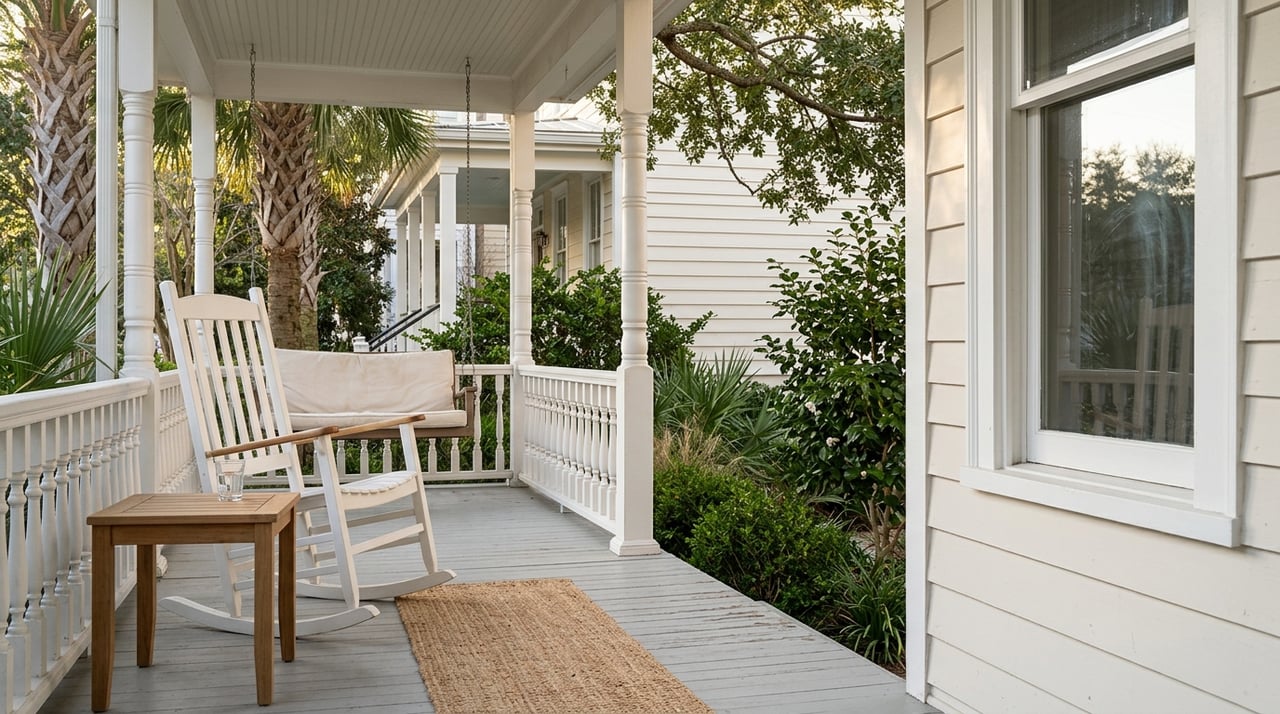
One of the first things you notice in the East End is the range of historic homes. The streets include Greek Revival examples from the 1850s, later Victorian residences, modest cottages, and larger homes with more elaborate details.
That variety makes the neighborhood feel layered and lived-in. You are not looking at one repeated style. Instead, you move through blocks where scale, trim, porches, and rooflines change from home to home.
The district’s Victorian character was shaped in part by rebuilding after the Great Fire of 1885. According to the city, that rebuilding period created opportunities for architects such as Nicholas Clayton, Alfred Muller, and George Stowe to leave a lasting mark on the neighborhood.
Older homes built for the coast
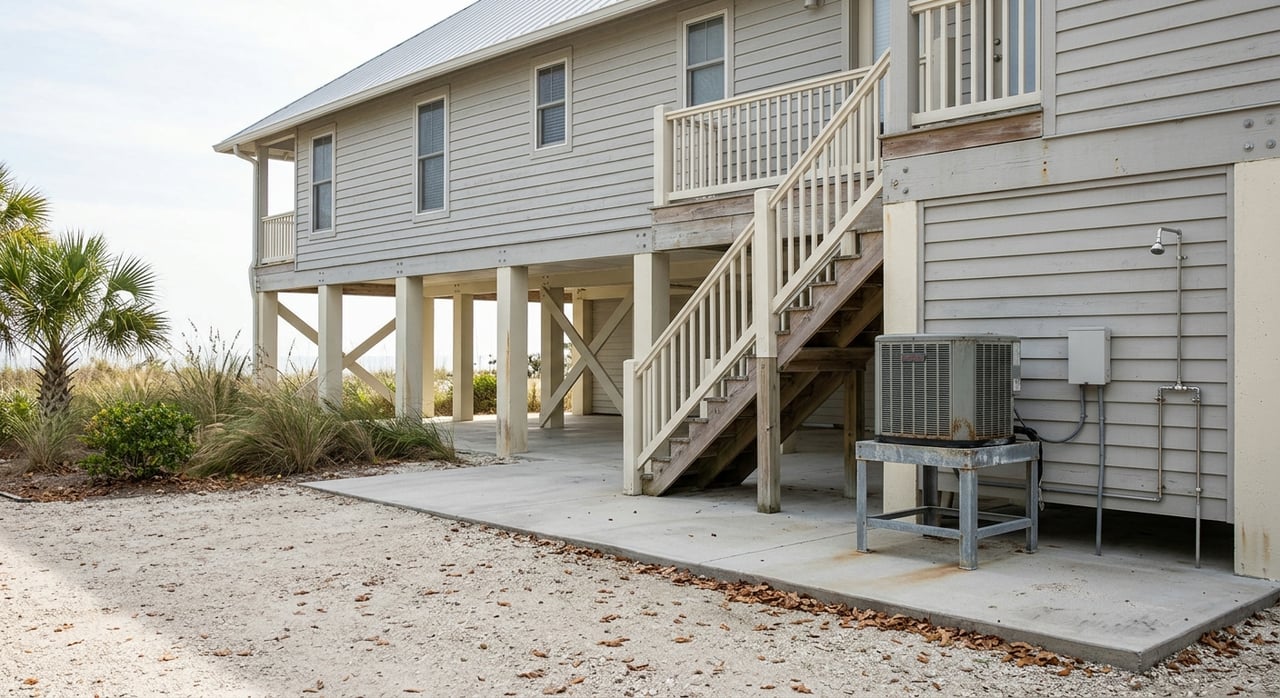
Historic homes here were not designed for looks alone. Galveston Historical Foundation notes that many historic coastal houses used features such as pier-and-beam construction, thicker exterior walls, and tall ceilings to help moderate heat.
That matters when you think about everyday comfort. In practical terms, many of these homes were built with Galveston’s climate in mind, which adds another layer to their lasting appeal.
Living in the East End often means living with original character and older construction details. It can feel very different from owning in a newer subdivision, especially if you value craftsmanship, scale, and the kind of architectural personality that is hard to duplicate.
A neighborhood made for walking
The East End has a walking-friendly feel that comes from both its layout and its location. Because it sits beside downtown and has long been presented through self-guided walking tours, walking is part of the district’s identity.
That does not mean every errand happens on foot, but it does mean the neighborhood often invites a slower pace. Side streets, historic homes, small parks, and nearby commercial areas all contribute to a daily rhythm where strolling can be part of ordinary life.
For many buyers, that is part of the appeal. You get a neighborhood that feels residential and rooted, while still staying connected to the heart of Galveston.
Parks and public spaces nearby
Everyday life here is not just about houses. Public spaces help shape the neighborhood too, especially for anyone who enjoys fresh air, short walks, or simple outdoor routines.
Adoue Park is one of the district’s useful local greenspaces, with playground space, paths, picnic areas, and carved wooden sculptures. The East End Historical District Association also maintains neighborhood parks such as Darragh Park and Alderdice Park, which reinforces the area’s strong local involvement.
These smaller spaces matter more than you might think. They give the district places to pause, gather, and spend time outdoors without leaving the neighborhood.
Downtown access changes the routine
Because the East End sits so close to downtown, daily life here rarely feels isolated. The district is also near UTMB and the Historic Strand District, which adds to the sense that you are plugged into Galveston’s urban core.
That proximity can shape everything from morning coffee runs to casual evening plans. Instead of planning your whole day around a drive, you are living near some of the city’s most active and recognizable areas.
For buyers who want both neighborhood character and city access, that combination can be especially attractive. It supports a lifestyle that feels connected, flexible, and distinctly Galveston.
The Strand and Postoffice Street
For shopping, dining, and everyday browsing, The Strand and Postoffice Street are key nearby destinations. Visit Galveston describes The Strand as home to a wide collection of boutiques, gift shops, restaurants, and attractions set in historic iron-front buildings.
The Postoffice Street area adds art galleries, antique shops, boutiques, and coffeehouses. Downtown Galveston as a whole includes more than 100 unique shops, restaurants, and galleries, which gives East End residents a broad mix of nearby options.
That is part of what makes the neighborhood feel active in real life. You are close to places where errands, coffee, casual meals, and weekend wandering can all blend into the same routine.
Coastal living stays close
The East End is historic, but it is also firmly part of Galveston’s coastal lifestyle. Beach time is close enough to fit naturally into a weekend, or even into a shorter outing when the weather is right.
Visit Galveston notes that the Seawall is lined with restaurants, bars, souvenir shops, and family attractions. It also points out that the eastern end of the Seawall feels slower and more local than the busier central stretch.
The broader East End area also includes Stewart Beach, East Beach, and the East End Lagoon Nature Preserve. Together, those nearby spots help explain why life here can feel both residential and coastal at the same time.
Landmark homes and neighborhood identity
The East End’s identity is shaped by more than its blocks and boundaries. Signature properties and long-standing public landmarks also play a role in how the district feels.
One of the best-known examples is the 1892 Bishop’s Palace at 1402 Broadway. It is widely recognized as a major example of 19th-century architecture and adds to the district’s sense of place and visual character.
Even if you are not thinking in museum terms, these landmarks still affect daily life. They create a neighborhood backdrop that feels distinct, memorable, and deeply tied to Galveston’s story.
Preservation is part of ownership
If you are considering buying in the East End Historic District, it is important to understand that ownership here comes with a preservation framework. The City of Galveston says exterior changes to historic structures may require Landmark Commission review and must follow the Design Standards for Historic Properties.
The city also recommends that buyers contact the city before purchasing a historic property. That is a valuable step because living in a historic district often means balancing personal goals with compatibility and long-term stewardship.
In other words, the East End tends to reward thoughtful care rather than freeform exterior remodeling. For the right buyer, that is not a drawback. It is part of what protects the district’s character over time.
Community pride runs deep
Another defining part of everyday life here is the district’s preservation culture. The East End Historical District Association, formed in 1975, focuses on preserving, restoring, and protecting the area’s cultural and architectural integrity.
It is not an HOA, but it plays an active role in neighborhood life through education, advocacy, fellowship, and community awareness. The group highlights events and resources such as block parties, holiday home tours, fall garden tours, park activities, newsletters, and self-guided walking tour materials.
That kind of involvement signals a neighborhood with real civic energy. The East End does not feel frozen in time. It feels inhabited, organized, and proud of what it is.
Why East End appeals to buyers
For many buyers, the East End offers a rare mix of benefits in one setting. You get historic architecture, access to downtown, nearby parks, close beach options, and a community culture that takes preservation seriously.
It can be a strong fit if you want more than just a house. It can also suit you if you are looking for a home that reflects Galveston’s coastal history while still keeping daily conveniences within easy reach.
Most of all, the East End stands out because it feels authentic. It is a neighborhood where architecture, location, and local involvement all shape what everyday life looks like.
If you are exploring historic homes in Galveston and want local guidance on how different neighborhoods fit your lifestyle, Spagnola Realty Group can help you navigate your options with a thoughtful, high-touch approach.
FAQs
What is the East End Historic District in Galveston?
- It is Galveston’s first residential neighborhood and first locally designated historic district, located next to downtown and spanning more than 50 blocks.
What do homes in Galveston’s East End Historic District look like?
- The district includes a mix of Greek Revival homes, Victorian residences, cottages, larger historic houses, alley houses, and other period architectural details.
What does daily life feel like in Galveston’s East End Historic District?
- Daily life often feels connected and walkable, with nearby parks, downtown access, coffeehouses, shops, restaurants, and close beach destinations all part of the neighborhood routine.
Is Galveston’s East End Historic District close to downtown?
- Yes. The district sits directly adjacent to downtown Galveston, which helps residents stay close to the Strand, Postoffice Street, UTMB, and other central destinations.
What should buyers know about owning a historic home in Galveston’s East End?
- Buyers should know that exterior changes to historic structures may require City of Galveston review and must follow local design standards, so ownership often involves a stewardship mindset.
Are there parks in Galveston’s East End Historic District?
- Yes. The district includes Adoue Park, and the East End Historical District Association maintains neighborhood parks such as Darragh Park and Alderdice Park.