If a pool with Gulf views, a quick walk to the beach, and a concierge downstairs sound like your kind of weekend, Galveston’s condo scene deserves a close look. You want the fun of resort living without the headaches that can come with coastal ownership. In this guide, you’ll learn what “resort-style” really means in Galveston, how those amenities impact costs and rental potential, and the coastal details that affect insurance, financing, and resale. Let’s dive in.
Why Galveston condos stand out
Galveston is a barrier-island city about 50 miles southeast of Houston, which makes it an easy escape for weekenders and second-home owners. You get beach access along Seawall Boulevard, a lively historic downtown, and a steady tourism economy that supports vacation rentals. Many condo communities lean into a resort lifestyle, which can offer a low-maintenance way to enjoy the coast.
If you are buying for personal use, a second home, or a mix of personal use and rental, the right amenities can improve your experience and your long-term resale appeal. The key is knowing how features, fees, and coastal risk work together.
What “resort-style” includes
Beach and water features
- Outdoor pools and hot tubs, often heated for shoulder seasons
- Private or secured beach access, including deeded pathways
- Beachfront terraces and common lounge areas with Gulf views
Services and security
- 24/7 security, controlled entry, and concierge or doorman
- On-site property management and optional rental programs
- On-site restaurants, bars, or cafe spaces in resort-linked buildings
Wellness and social spaces
- Fitness centers, saunas, and spa or massage rooms
- Owners’ lounges, business centers, and private event rooms
- Marina or boat dock access in harbor-front developments
Parking and access
- Covered or garage parking with guest spaces
- Elevators and covered balconies designed for coastal living
How amenities affect value and costs
Amenities add daily enjoyment and can broaden the buyer pool, especially for second homes and vacation rentals. They can also support stronger marketing and guest demand if you plan to rent. The other side of the coin is cost.
- HOA fees cover maintenance, staffing, utilities for common areas, and insurance for shared elements. Expect higher dues than minimal-amenity buildings.
- If a condo is connected to a resort or hotel, you may benefit from on-site services and guest demand, but you may also see more traffic and wear in common areas.
- Your net rental yield depends on HOA dues, management quality, rental rules, and local demand. Always ask for financials and rule clarity before you commit.
Coastal realities you should plan for
Hurricanes and wind coverage
Galveston faces hurricanes and tropical storms. Associations usually carry a master policy for the building, but deductibles for wind and hurricane damage can be large. Individual owners typically need their own policies for interior finishes and contents. If private wind coverage is not available, the Texas Windstorm Insurance Association may be the option for qualifying coastal properties, and the Texas Department of Insurance provides guidance on windstorm coverage.
Flood zones and elevation
Many buildings sit in FEMA Special Flood Hazard Areas that begin with A or V. If you use a federally backed mortgage, flood insurance is generally required in these zones. Ask the HOA for the building’s elevation certificate and verify the flood zone. Understanding the lowest occupied floor, building elevation, and design features helps you estimate risk and premiums.
Building design and maintenance
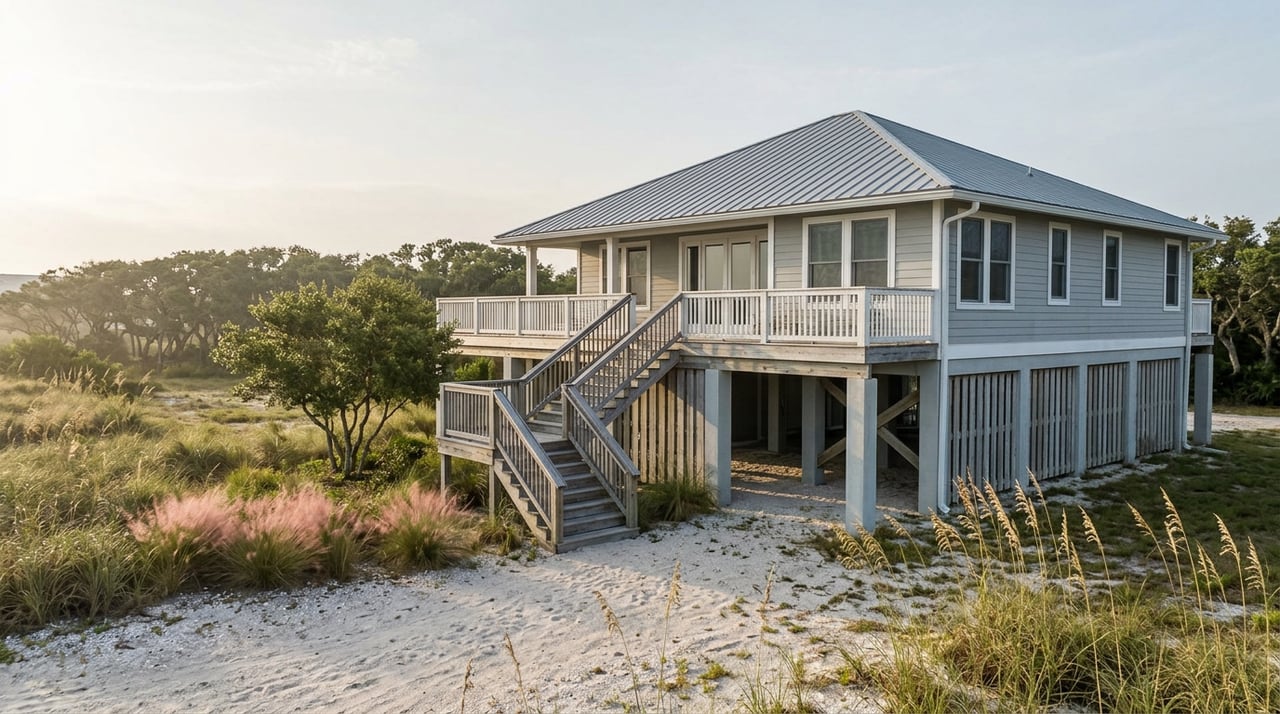
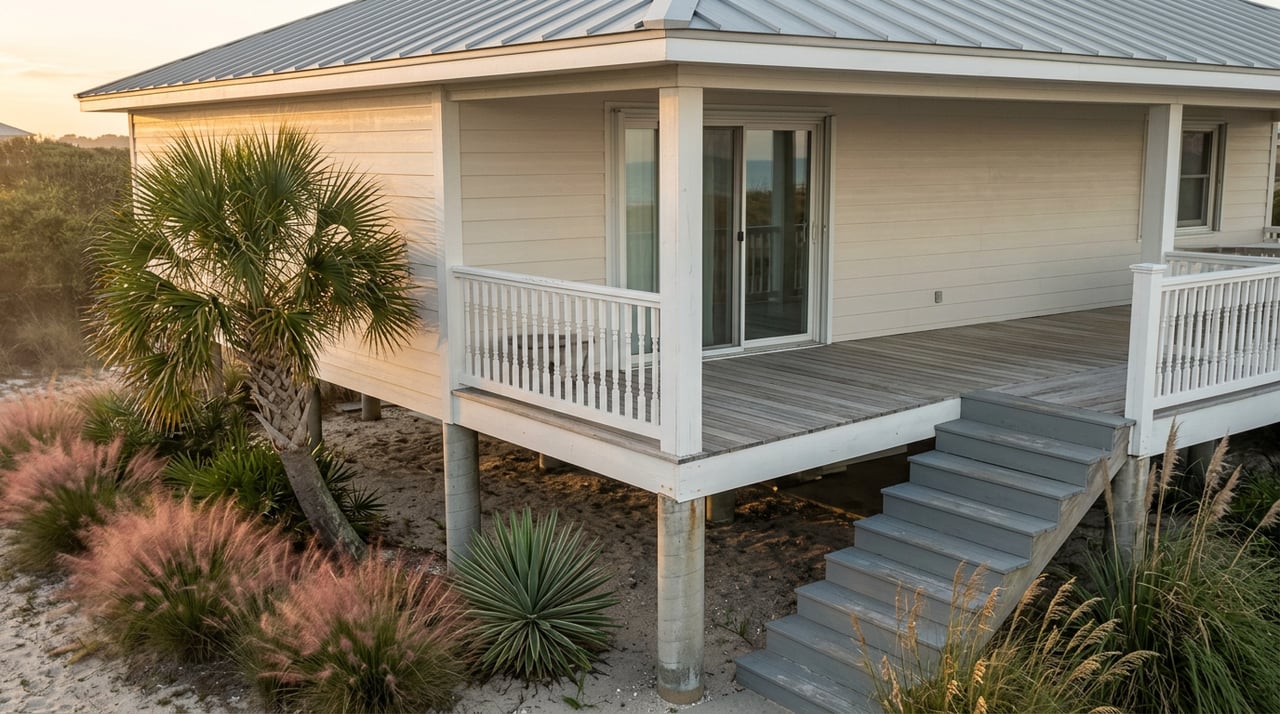
Salt air accelerates corrosion on railings, fasteners, and HVAC equipment. Ask about exterior maintenance schedules, repainting, railing replacements, and HVAC timelines. It also helps to confirm hurricane-rated windows and doors, shutter systems, and roof improvements. Many coastal buildings use elevated designs to address surge and stormwater; confirm how your building handles these risks.
Rental potential and rules
Short-term rentals are common in parts of Galveston, but every community sets its own rules. Verify whether the association allows short-term rentals, what stays are permitted, and whether the City of Galveston requires permits or licensing for your specific use. If the property is tied to a resort or hotel, ask whether a rental program is optional or mandatory, what commissions apply, and whether there are peak-season use limits for owners.
Financing your purchase
Lenders will review the condo project as well as your finances. If you plan to use FHA or VA financing, check if the project appears on the respective approval lists. Conventional lenders also look for project eligibility, reserve funding, insurance, and occupancy mix. Flood insurance, windstorm coverage, and HOA dues factor into affordability, so get quotes and fee breakdowns early.
Smart due diligence checklist
Essential documents to request
- CC&Rs, bylaws, house rules, and rental policy
- Recent HOA budget, financial statements, and the reserve study
- Association meeting minutes for the last 12 to 24 months
- Master insurance declarations, including wind and flood details and deductibles
- Elevation certificate and FEMA flood zone determination for the building and unit
- Records of recent major repairs and any contractor warranties
- Condominium plat, legal description, unit square footage, and percentage interest
- Management contract and service agreements for pools, security, landscaping, and elevators
- Rental performance reports if a rental program exists, including occupancy and net to owner
Questions to ask the HOA or listing agent
- What is the current monthly HOA fee and what does it cover, such as utilities, internet, master insurance, and reserves?
- Have special assessments occurred in the last 5 to 10 years? Are any planned?
- Are short-term rentals allowed, and what permits or licenses are required by the city?
- What is the wind or hurricane deductible on the master policy, and how would a major event be funded?
- What capital improvements were completed recently, such as roofs, pool replastering, or HVAC replacements?
- Is there any pending litigation or unresolved code issue involving the association?
Insurance and financing steps
- Verify lender project eligibility early for FHA, VA, Fannie Mae, or Freddie Mac loans if needed
- Confirm the flood zone and obtain a flood insurance quote
- Consult a windstorm insurer or the Texas Windstorm Insurance Association if private markets are limited
- Ask the HOA for insurance contacts and any available documentation on mitigation features that can reduce premiums
Inspections and building checks
- Unit inspection focused on water intrusion, moisture, and hurricane mitigation features
- Building-level review of roofing, elevator maintenance, pool structure, and structural elements
- Environmental checks if the building is older, such as potential lead paint or asbestos
- Elevator certifications and permit compliance
What this means for resale
Well-managed amenities tend to attract a wider buyer pool and can support stronger resale interest. Buyers value amenities like heated pools, secure beach access, and reliable elevators, especially when the association has healthy reserves and transparent maintenance. Poor management and unsustainable dues can hurt resale, so clear HOA financials matter as much as a Gulf view.
How a local advisor adds value
Buying on a barrier island is different than buying inland. You want a team that understands HOA budgets, flood and wind insurance, and the trade-offs between rental potential and personal use. You also want guidance on the documents that move the needle, such as reserve studies, elevation certificates, and master policy deductibles.
At Spagnola Realty Group, you get concierge-level service with investor-minded advisory. As a Galveston-rooted team with luxury marketing and coastal know-how, we help you:
- Identify buildings that match your lifestyle and rental goals
- Request and review HOA budgets, reserve studies, and insurance policies
- Coordinate local inspections and evaluate recent capital projects
- Clarify rental program options, typical commissions, and owner-use rules
- Tour properties in person or by video, then negotiate terms that protect your interests
Next steps
If you are drawn to beach mornings, evenings by the pool, and a lock-and-leave lifestyle, a Galveston condo can deliver. Start by narrowing your must-have amenities and your comfort level with HOA dues, then line up insurance quotes and financing checks.
Ready to explore condos with heated pools, private beach paths, and on-site services that fit your budget and goals? Connect with the local team that pairs island expertise with white-glove service. Reach out to Spagnola Realty Group to schedule your consultation.
FAQs
What counts as resort-style amenities in Galveston condos?
- Features often include heated pools, hot tubs, private or secured beach access, fitness and spa facilities, concierge services, on-site dining, and garage parking.
How do HOA fees work for amenity-heavy Galveston condos?
- Dues typically cover staffing, maintenance, utilities for common areas, and master insurance, which means fees are higher than in minimal-amenity communities.
Do Galveston condos require flood and wind insurance?
- Many buildings sit in FEMA flood zones and lenders often require flood insurance, while wind coverage is common on the island and may involve the Texas Windstorm Insurance Association.
Can I use a Galveston condo for short-term rentals?
- It depends on the association rules and city requirements; confirm HOA policies and any licensing or permits needed before you buy.
What should I review before buying a Galveston resort condo?
- Request CC&Rs, HOA financials and reserve study, meeting minutes, master insurance details, elevation certificate, and records of recent capital improvements.
Do resort-style amenities help with resale in Galveston?
- High-quality amenities paired with strong HOA management and sustainable dues can improve resale appeal, while poor management and costly assessments can deter buyers.