Are you torn between Galveston’s West End and East End? Both sides of the island offer a distinct lifestyle, from walkable historic blocks to breezy beachfront living. You want the right fit for how you work, relax, and invest, and that choice affects daily convenience, renovation plans, and insurance costs. In this guide, you’ll compare neighborhoods, amenities, flood and wind considerations, and rental rules so you can move forward with confidence. Let’s dive in.
Big picture: East vs West
When locals say “East End,” they usually mean the historic core near the Strand and the neighborhoods surrounding downtown. “West End” commonly refers to areas west along the Seawall and out toward the island’s quieter, more residential stretches. There is no single official boundary that divides the two, and neighborhood names vary by block. For parcel details and boundaries on a specific property, use the City of Galveston planning resources and the Galveston County Appraisal District parcel maps.
East End snapshot
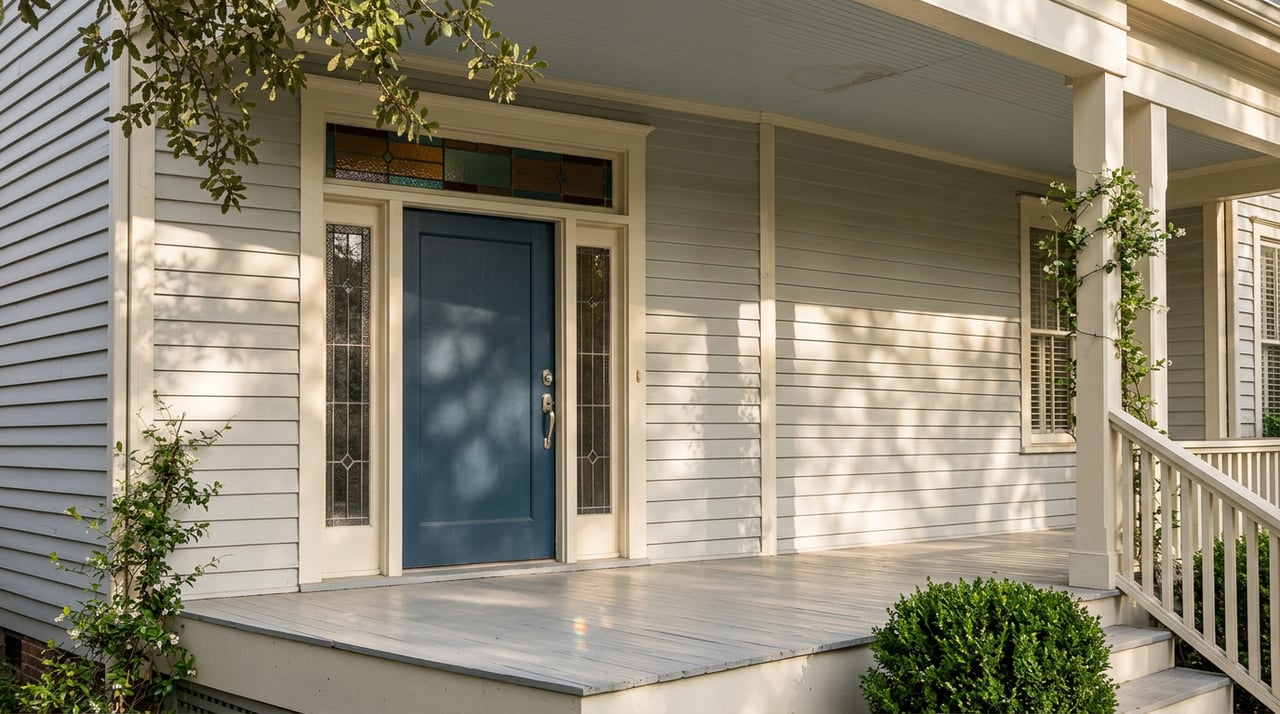
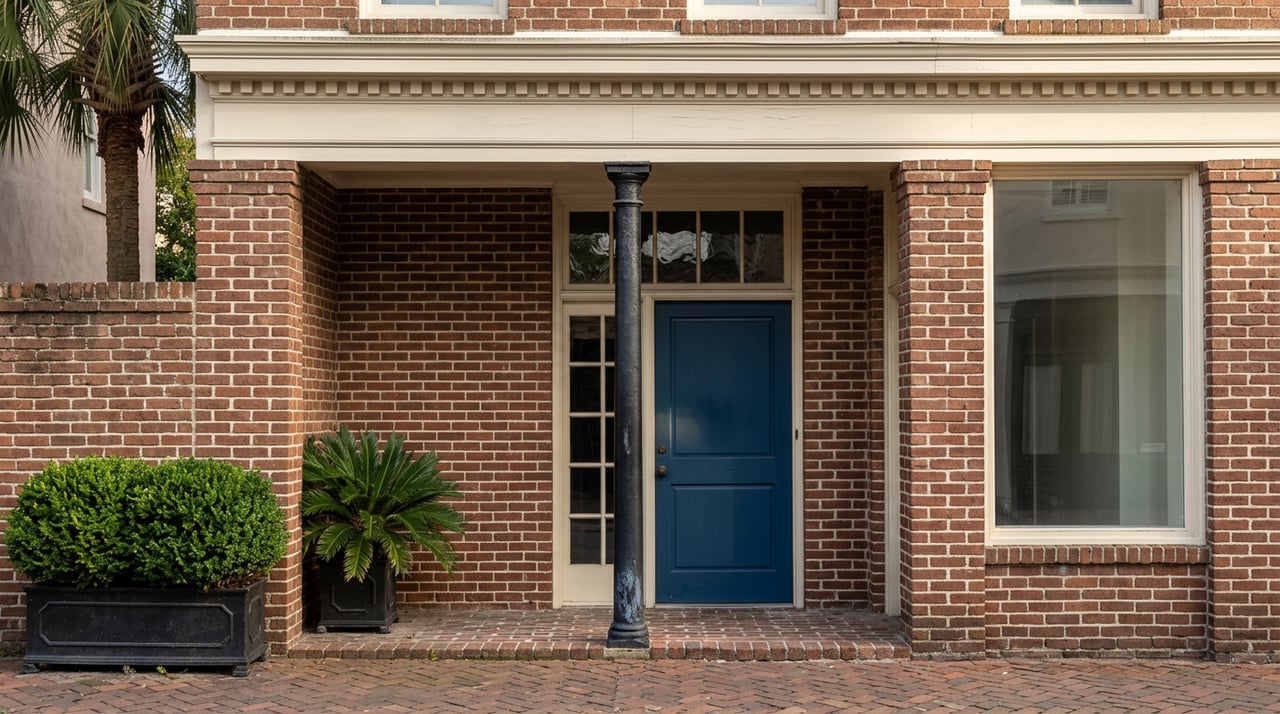
The East End is known for Victorian and early 20th‑century architecture, compact blocks, and a lively urban feel. Many homes sit within historic districts, which can involve design review for exterior work. You can often walk to restaurants, shops, museums, and events near the Strand. Condominiums and mixed‑use buildings appear closer to downtown, while large modern beachfront lots are less common.
West End snapshot
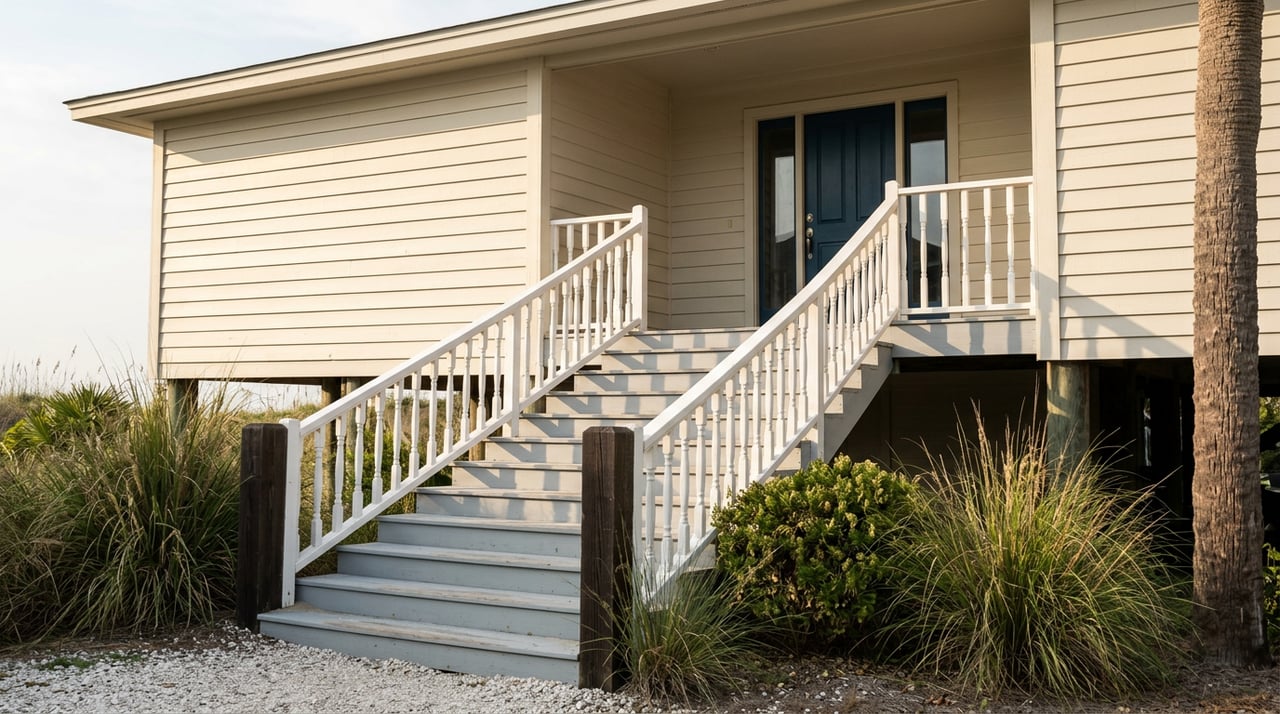
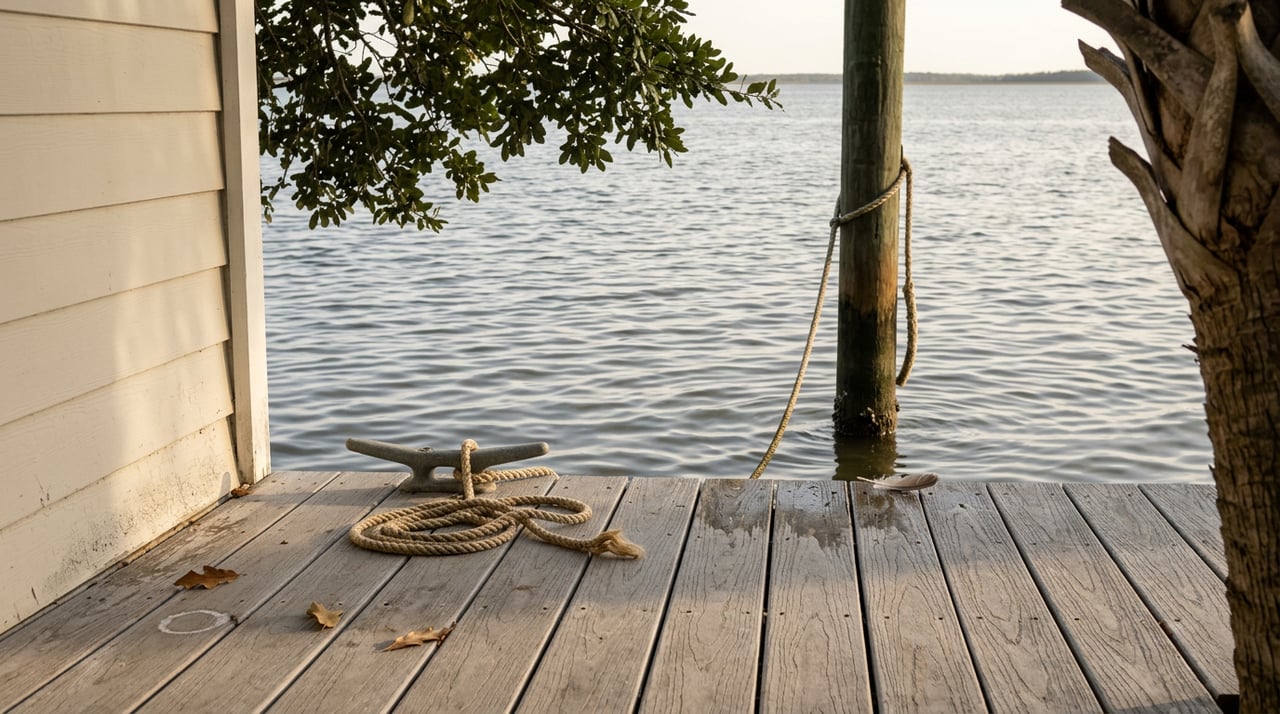
The West End leans coastal and residential, with beach‑oriented cottages, midcentury homes, and newer elevated builds. You will find subdivisions with larger lots in some pockets and homes designed for easy beach or bay access. Marinas and boat ramps are more common on the west side, appealing to boaters and fishers. Many homes are raised on piers or pilings, reflecting coastal building needs.
Lifestyle and amenities
If you want walkable dining, museums, and year‑round events, the East End’s proximity to the Strand may suit you. It is also close to major employers and healthcare, including the University of Texas Medical Branch (UTMB). If you prefer open beaches, relaxed residential streets, and boating access, the West End often fits that pace. Island attractions are spread out, with popular sites like Moody Gardens and Pleasure Pier located in central to west‑central areas, and beaches managed by the Galveston Park Board.
Commute and daily life
Galveston connects to the mainland by causeway, and the drive to Houston varies by destination and traffic. Expect roughly 45–75 minutes for many Houston trips, about 50–60 miles by road. If you commute frequently, factor in drive time along with your proximity to services like UTMB, grocery stores, and marinas. If you work remotely or travel intermittently, both ends of the island can work well depending on your routine.
Flood, wind, and insurance
All of Galveston is coastal, so flood and windstorm planning is essential. Use the FEMA Flood Map Service Center to check the flood zone for any address and review elevation certificates and any LOMA or LOMR on file. Many properties rely on windstorm coverage available through the Texas Windstorm Insurance Association if private coverage is limited. For long‑term planning, review NOAA resources on storms and sea‑level rise and budget for insurance as a recurring cost.
Historic rules and renovations
Much of the East End includes recognized historic districts. Exterior renovations, new construction, or demolition can require design review to preserve architectural character. Before you buy, request permits and approvals and consult the City of Galveston Planning and Historic Preservation team for guidance. The West End is less likely to sit in a historic overlay, but city codes and any HOA or deed restrictions still apply.
Short‑term rentals and HOAs
Galveston has a short‑term rental permitting program with rules for safety, occupancy taxes, and inspections. Always confirm the current municipal requirements on the City of Galveston website. Many West End subdivisions and some condo communities have HOA covenants that set policies on parking, exterior changes, and rentals. Obtain HOA documents and city STR requirements early if rental income is part of your plan.
Who each end fits
- East End: You value walkability, historic character, and quick access to dining, shops, and UTMB. A primary residence or an investor unit near tourist hubs can make sense if you are comfortable with potential design review.
- West End: You prefer larger lots in some areas, open beaches, and marina access. Second‑home buyers, boaters, and investors seeking beach‑oriented stays often look here.
- Either end for retirees: Choose based on convenience vs. quiet. The East End offers services and cultural access, while the West End provides a slower, seaside rhythm.
- Either end for investors: Demand varies by property type, season, and exact location. East End benefits from sightseeing proximity, while West End attracts beach and boating guests.
Cost of ownership to budget
- Flood and wind insurance: Verify flood zone, elevation certificates, and wind coverage options through TWIA or private carriers. Premiums and availability change over time.
- Coastal maintenance: Plan for roof, corrosion, and HVAC upkeep in a salt‑air environment. Elevated construction can reduce risk but may raise build costs.
- Renovation scope: Historic exteriors may require specialized materials, trades, and approvals. Elevated builds or repairs must meet local code and base flood elevation standards.
Buyer checklist
- Verify flood zone and request elevation certificate; check the FEMA Flood Map Service Center.
- Ask about past flood, wind, or hail claims and current premiums; consult the Texas Windstorm Insurance Association as needed.
- Review a recent survey, lot lines, and any easements.
- Confirm city permits, renovation history, and any code issues on file with the City of Galveston.
- Determine utility connections and whether any parcel uses septic.
- If in a historic district, confirm approvals and design guidelines with city preservation staff.
- Obtain HOA covenants, fees, and rental rules.
- Check short‑term rental permit requirements and occupancy tax registration with the city.
- For families, verify attendance zones with Galveston ISD or consult the Texas Education Agency.
- For parcel boundaries and valuations, use the Galveston County Appraisal District.
Make a confident choice
Start with your top lifestyle priorities. If you want to stroll to dinner, events, and the Strand, the East End is your natural starting point. If morning beach walks, sunset fishing, and a quieter feel are your center of gravity, focus your search on the West End. Either way, align your choice with insurance realities, renovation plans, and any rental strategy.
You do not have to navigate the details alone. With deep local roots and an investor‑savvy approach, our team can help you weigh flood and wind coverage, historic guidelines, HOA rules, and seasonal rental dynamics for specific homes. Ready to tour, analyze, and compare in real time? Connect with Spagnola Realty Group for concierge guidance and curated listings.
FAQs
Which side of Galveston is better for walkability?
- The East End typically offers greater walkability to dining, shops, museums, and the Strand’s attractions due to its denser, historic street grid.
Where is boating access more convenient in Galveston?
- Many marinas and boat ramps are located toward the West End and west‑central areas, which appeals to boaters and fishers.
How do flood zones differ across the island?
- Flood risk varies parcel by parcel across both ends of Galveston; always check the FEMA Flood Map Service Center and review a property’s elevation certificate.
Do historic district rules affect remodels in the East End?
- Yes, many East End areas have design review for exterior changes; consult the City of Galveston Planning and Historic Preservation team before purchasing if you plan renovations.
Are short‑term rentals allowed on both ends of Galveston?
- Short‑term rentals operate across the island but require compliance with the city’s permitting, tax, and safety rules; verify details on the City of Galveston website.
How long is the commute from Galveston to Houston?
- The drive is generally 45–75 minutes depending on traffic and destination, about 50–60 miles by road via the causeway.