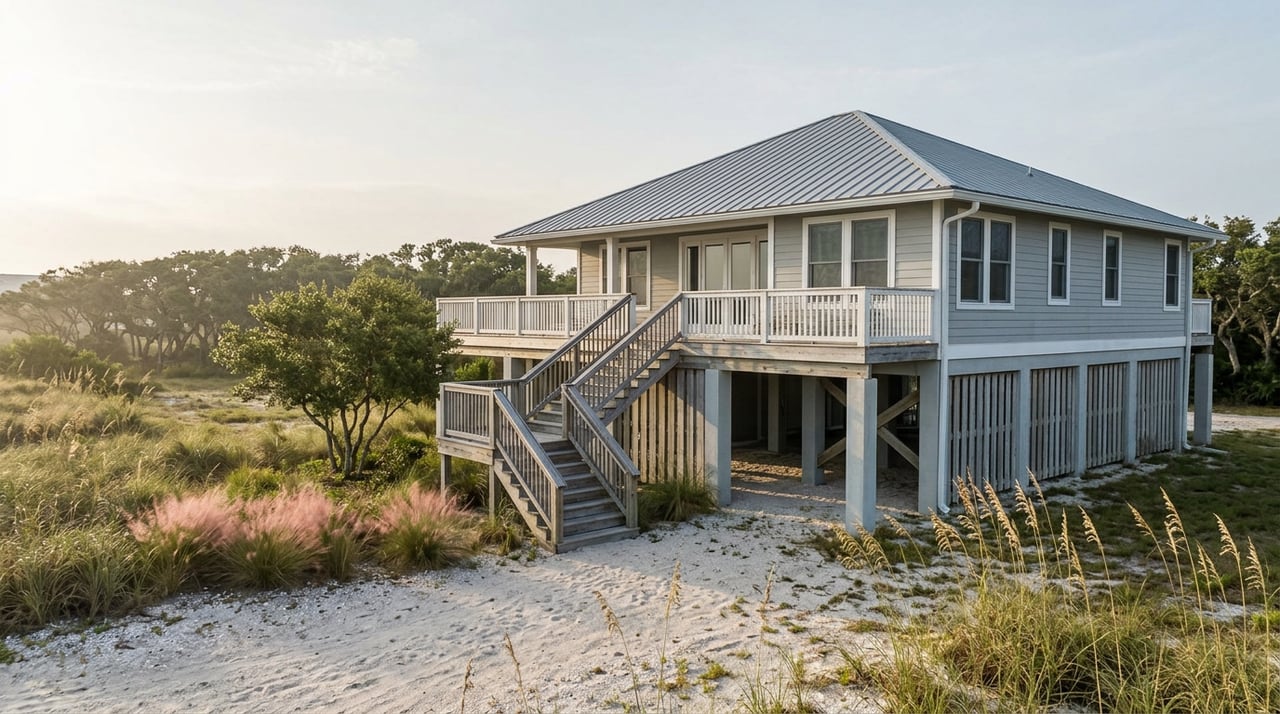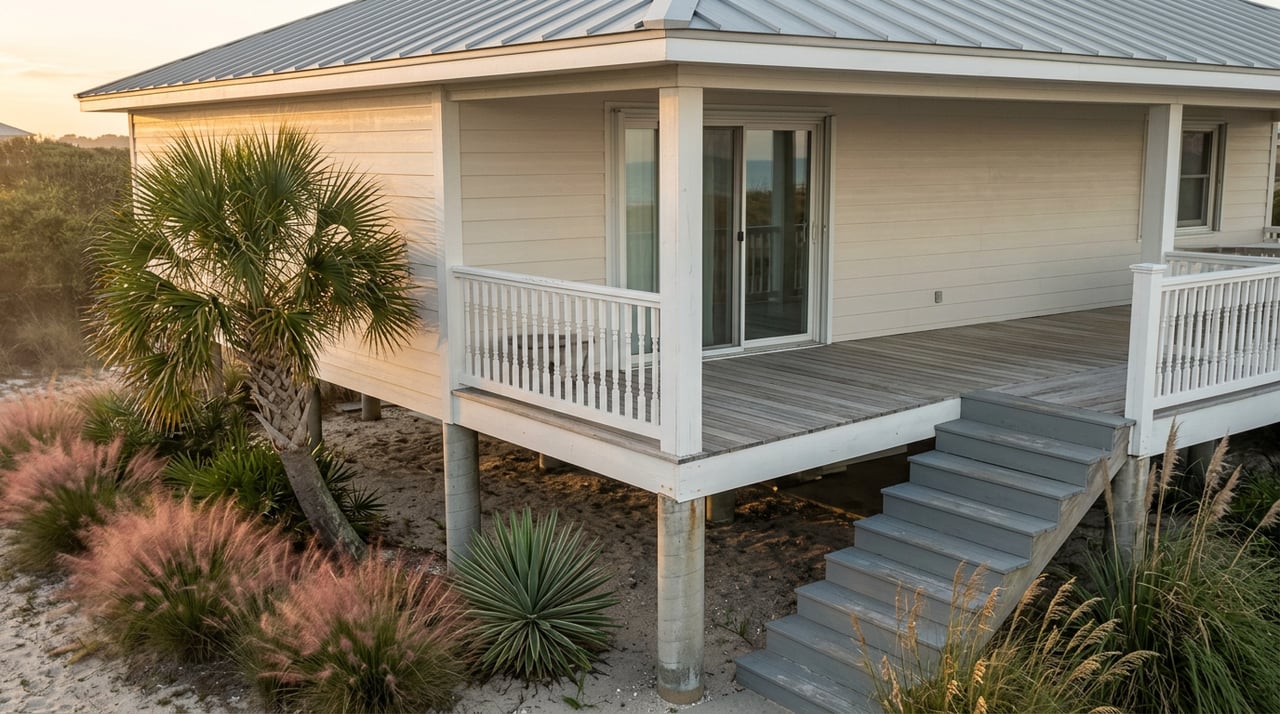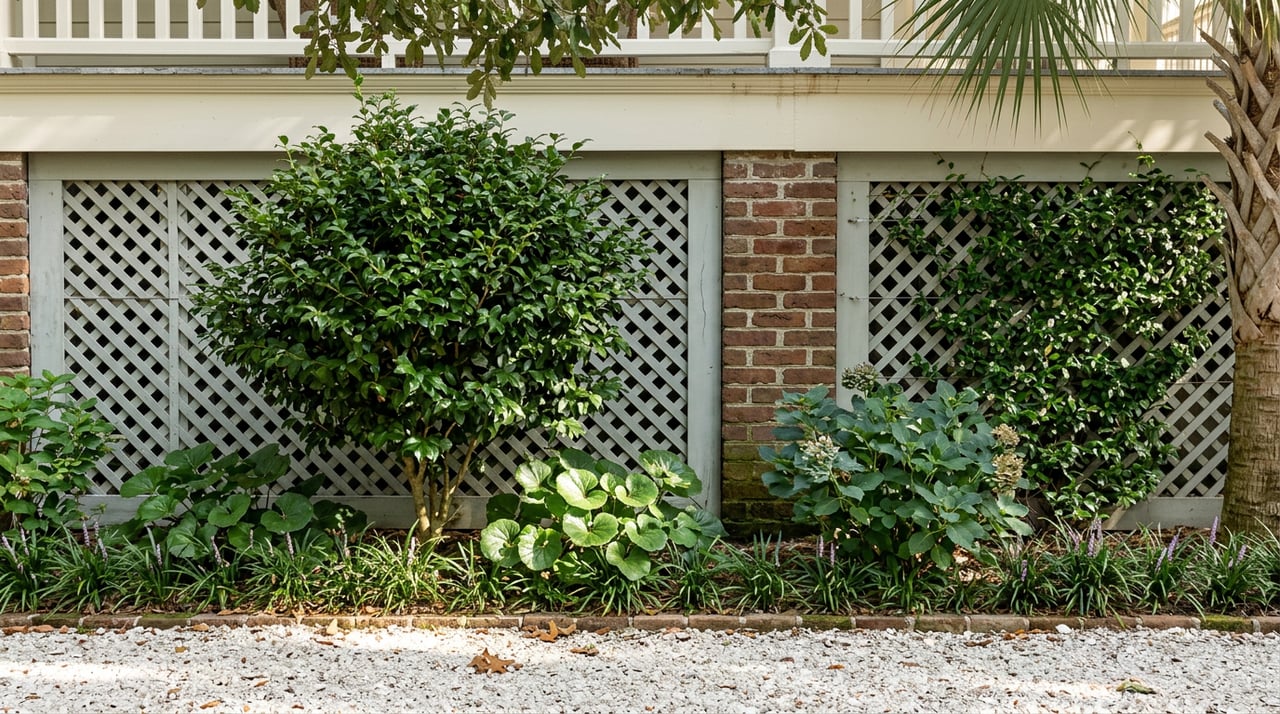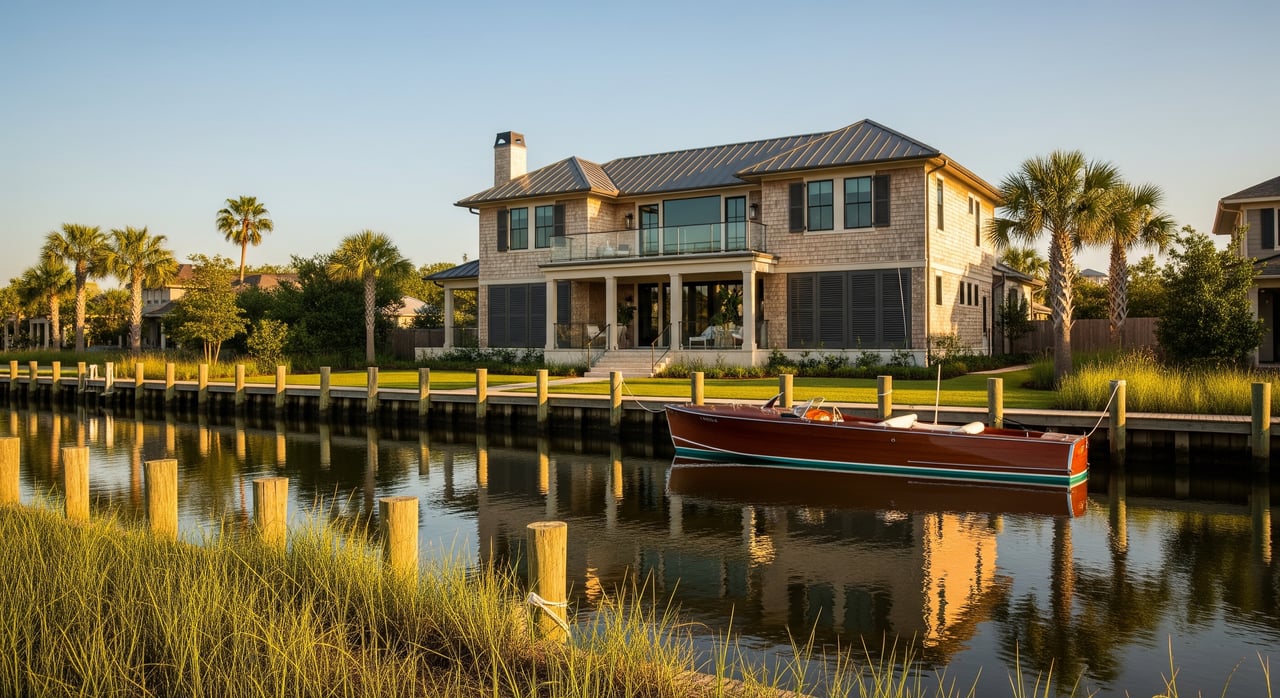
Imagine stepping from your back deck onto your boat, coffee in hand, as the sun lifts over Galveston Bay. Canal-front living brings that scene to life. It also comes with coastal realities that smart buyers plan for. If you are considering a canal-front home in Galveston or Galveston County, you need a clear view of risks, permits, insurance, inspections and long-term costs before you fall in love with the view.
This guide walks you through the essentials, from flood zones and dock permits to marine inspections and financing. You will learn what to verify, who to call and how to build a confident timeline from offer to closing. Let’s dive in.
Why choose canal-front living
Canal-front homes offer a lifestyle built around water access, views and convenience. Many properties include private docks or lifts, which means quick access to protected waterways that connect to Galveston Bay and, through channels, the Gulf of Mexico. If you enjoy boating, fishing or simply watching the tide, you will value the daily ease a canal can provide.
These features often command a price premium. You are paying for the water, the docking infrastructure and the outdoor lifestyle. At the same time, you should plan for higher insurance and maintenance than a comparable inland home. Going in with eyes open helps you enjoy the perks without surprises later.
Risks and realities on the coast
Galveston is a barrier island with a long hurricane history, including the 1900 storm and Hurricane Ike in 2008. Canal-front properties face compounded flood risk from storm surge, heavy rainfall and tides. That risk shapes local building codes, floodplain requirements and insurance practices.
Salt spray and coastal humidity also work faster on materials. Expect more frequent care for metalwork, wood, exterior paint, HVAC systems and appliances. Planning ahead for coastal wear and tear will protect your investment and keep your home performing well.
Flood zones, codes and permits
Start every canal-front search with a flood-zone lookup. FEMA Flood Insurance Rate Maps (FIRMs) and local floodplain administrators classify zones such as AE, VE, A and X. Your zone influences building requirements and flood insurance rating. Retrieve the current FIRM panel for any property you are serious about.
Both the City of Galveston and Galveston County enforce elevation, foundation and freeboard rules in flood-prone areas. New construction and substantial repairs typically require higher finished-floor elevations and wind-resistant construction. State-level coastal regulations through the Texas General Land Office also apply along certain tidal shorelines and beach areas.
Permits matter. Past additions or repairs to docks and bulkheads should have been permitted. If you plan future work, expect to coordinate with city or county building departments and, in some cases, state or federal agencies. Verifying permit history early helps you avoid compliance issues after closing.
Docks, bulkheads and shoreline structures
Docks, seawalls, bulkheads and boat lifts often require permits from one or more authorities. Depending on the scope and location, this can include the local city or county, the Texas General Land Office and the U.S. Army Corps of Engineers. In some cases, additional environmental review may be needed.
Ownership and maintenance responsibilities are critical. In many neighborhoods, the private owner is responsible for the condition of the bulkhead, dock and any dredging that serves the property. Some communities share costs through a homeowner association. Before you buy, confirm who maintains what, whether there are recorded easements and how major repairs are handled.
Insurance and financing essentials
If the home lies in a FEMA Special Flood Hazard Area, most lenders will require flood insurance. Coverage is available through the National Flood Insurance Program or private flood insurers. Coastal Texas homeowners also need windstorm insurance. If private coverage is not available, the Texas Windstorm Insurance Association is a common path for wind policies in this region.
Insurance premiums for canal-front homes can be higher due to combined flood and wind exposure. Obtain firm quotes for flood and wind early in due diligence so you can underwrite your total monthly cost with confidence.
Lenders will order a flood-zone determination and may require an elevation certificate for properties in flood zones. Appraisers consider elevation, the condition of marine structures and overall resilience. Elevated homes or those with recent mitigation can appraise stronger than similar non-elevated properties.
Inspections and due diligence for canal homes
Plan a thorough inspection program. A standard home inspection is your baseline, but canal-front homes benefit from specialized evaluations.
- Home inspection with coastal focus. Ask the inspector to pay extra attention to foundation piers, corrosion at structural connections, moisture and mold risk, and electrical or plumbing runs exposed to salt air. HVAC performance in high humidity is important.
- Elevation certificate or survey. Confirm finished-floor elevations and benchmark data. This information can affect insurance rating and resale value.
- Marine contractor or coastal engineer review. A focused inspection of bulkheads, docks and lifts can reveal scouring, undermining or structural wear that a generalist might miss.
- Structural engineer assessment when indicated. Older elevated homes or homes that show movement deserve an engineer’s eye.
- Pest inspection. Termites and other wood-destroying organisms are common in humid coastal environments.
- Environmental and erosion assessment. If the shoreline shows erosion, ask for a professional evaluation of conditions and risk.
- Title and plat review. Confirm riparian rights, access, recorded easements and any shared-maintenance agreements for canals or common structures.
Document any mitigation features already in place. These can include hurricane straps, impact-resistant windows and doors, flood vents and breakaway walls. If there are records of repairs after past storm events, ask for them. Documentation helps you understand resilience and may support insurance or appraisal.
Water access, depth and use
Not all canals are the same. Before you commit, verify practical boating details:
- Navigable depth and tide windows. Ask about siltation and whether periodic dredging is used to maintain depth.
- Dredging responsibility. Confirm who pays for dredging, when it last occurred and how ongoing maintenance is managed.
- Boat size and wake restrictions. Residential canals may limit boat size, speed or wake to protect shorelines and neighbors.
- Lift, davit or gate systems. Check the condition, capacity and maintenance history of any mechanical systems.
- Local ordinances. Learn the rules for dock lighting, fueling and marine sanitation so you can plan safe, compliant use.
These details affect daily enjoyment and long-term costs. Clear answers upfront make your purchase more predictable.
Materials and resilience features to value
Coastal conditions reward better materials. Look for stainless or galvanized fasteners, pressure-treated or naturally rot-resistant wood, composite decking and marine-grade electrical components where appropriate. Note any upgrades like impact-resistant windows, garage doors, hurricane straps and properly vented enclosures. These help reduce wear and improve safety during severe weather.
The true cost of ownership
Beyond your mortgage and taxes, canal-front ownership includes recurring and occasional costs that are unique to the coast.
Common recurring items:
- Seawall and bulkhead inspections, with repairs as needed
- Dock and boat-lift upkeep
- Corrosion-related maintenance on metalwork, HVAC and appliances
- Exterior painting and wood preservation at shorter intervals
- HOA dues if your community shares canal or dredging costs
Potential major capital projects:
- Bulkhead or dock replacement
- Dredging contributions if required by an HOA or community association
- Elevation work or major storm-damage repairs when indicated
Build these items into your budget so the lifestyle stays enjoyable and sustainable.
Buyer checklist and timeline
Use this step-by-step plan to structure your due diligence.
- Pre-offer research
- Look up the flood zone on FEMA FIRMs and confirm with local floodplain staff.
- Make preliminary inquiries for flood and wind insurance.
- Request HOA or community documents that address canals, docks, bulkheads, dredging and maintenance responsibilities.
- Complete a basic title check for riparian rights and easements.
- Offer contingencies
- Include a home inspection contingency plus marine and structural inspections.
- Make the offer contingent on acceptable flood and wind insurance quotes.
- Request full seller disclosures for flood history, repairs and any insurance claims.
- Post-offer inspections and reports
- Order the standard home inspection and specialized evaluations.
- Obtain a licensed survey, including elevation information and waterfront boundaries.
- Engage a structural engineer if indicated by age, elevation type or observed issues.
- Insurance and financing
- Secure firm quotes for flood and wind insurance early in escrow.
- Confirm lender requirements for elevation certificates and mitigation features.
- Title and permitting review
- Have a title company or real estate attorney review riparian rights, access, easements and maintenance agreements.
- Verify that past dock or bulkhead work was properly permitted and is free of code issues.
- Closing and post-closing
- If repairs are needed, line up written plans and, when required, permits before closing.
- Set a maintenance schedule for seawall and dock inspections every 1 to 3 years.
Local agencies and experts
As you evaluate properties, plan to interact with:
- City of Galveston Building and Development Services for permits and elevation guidance
- City or County floodplain administrators for FIRM interpretation
- FEMA and the National Flood Insurance Program for flood maps and policy basics
- Texas Windstorm Insurance Association for wind coverage questions
- Texas General Land Office for coastal zone management and some permitting
- U.S. Army Corps of Engineers for work in navigable waters
Local professionals can make a big difference:
- Coastal or marine contractor for docks and seawalls
- Licensed surveyor for elevation certificates and boundaries
- Structural engineer for elevated foundations and movement
- Home inspector with coastal experience
- Insurance agent familiar with flood and TWIA
- Real estate attorney or title company experienced in waterfront matters
- A local REALTOR with canal-front experience and access to relevant MLS data
Make your move with confidence
Buying on the water is equal parts lifestyle and logistics. When you pair the right inspections with clear insurance quotes, verified permits and a realistic maintenance plan, you set yourself up for years of easy weekend launches and sunset views.
If you want a tailored game plan for a specific property, our team combines island-rooted expertise with the concierge service and technical advisory you need. From virtual tours and staging guidance to coordination with surveyors, engineers and insurers, we help you evaluate risk, protect value and negotiate with confidence. Ready to explore canal-front options or pressure-test a listing you found? Connect with Spagnola Realty Group to Get Exclusive Access to Top Listings — Schedule a Consultation.
FAQs
Do canal-front homeowners in Galveston have exclusive use of the water?
- Not necessarily. Tidal and navigable waters are generally held in public trust by the state. Review your deed, survey and local law, and consult a title professional for property-specific guidance.
Is flood insurance required for canal-front homes in Galveston?
- If the property is in a FEMA Special Flood Hazard Area, lenders typically require flood insurance. Many coastal buyers choose to carry flood insurance even when it is not required.
Who pays for dredging in residential canals?
- It varies. Private owners, neighborhood associations or municipal entities may be responsible. Confirm the obligations in HOA documents, recorded agreements or deed records before you buy.
How can I verify if a dock or bulkhead was properly permitted?
- Check city or county permitting records and, where applicable, records with the Texas General Land Office or the U.S. Army Corps of Engineers. Unpermitted structures can create compliance and insurance issues.
What inspections are most important for a Galveston canal-front home?
- Start with a standard home inspection, then add an elevation certificate or survey, a marine contractor inspection for docks and bulkheads, and a structural engineer review as indicated. Include pest and erosion assessments when relevant.