Your first showing happens online. In Galveston’s luxury market, buyers decide what to tour based on photos, videos, and how the home feels on screen. According to the latest NAR staging research, thoughtful staging can increase offers and shorten time on market. You want every frame to highlight light, views, and lifestyle while staying true to your home. Here is a camera-first plan tailored to Galveston’s luxury properties so you get it right the first time. Let’s dive in.
Why staging matters in Galveston
Luxury buyers shop the story your home tells. NAR’s staging report found that staging often lifts offers and reduces days on market. Industry groups like RESA report strong performance too, though sample methods vary. The takeaway is simple: premium visuals and purposeful staging help your home stand out.
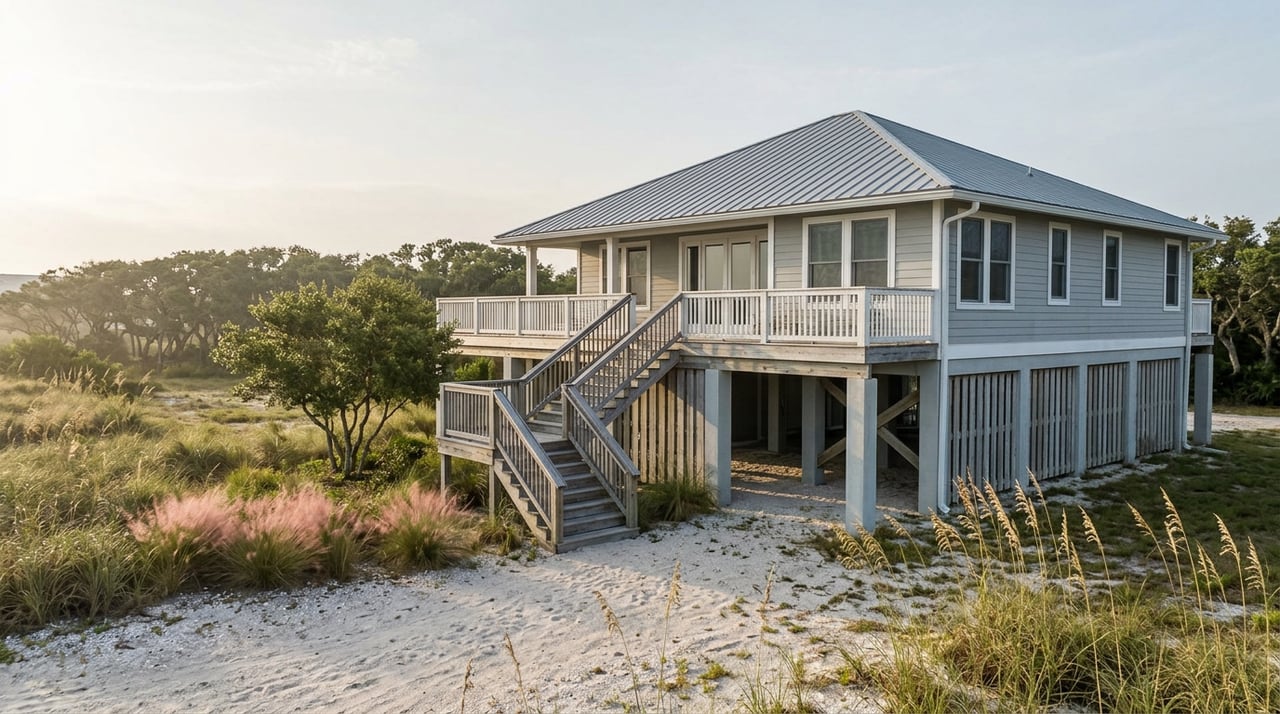
Galveston offers distinct luxury property types. Historic in-town residences, West End beachfront homes, and bayfront docks each require a slightly different staging lens. Historic details deserve clean, uncluttered framing so woodwork and period character shine, which you see celebrated on the Galveston Historical Foundation’s homes tour. Beach and bay homes should prioritize view lines, outdoor access, and water-facing amenities.
Coastal climate shapes your prep. Salt air, sun, and humidity can dull metal finishes and fabrics, so choose performance materials and deep-clean before the shoot. NOAA’s coastal guidance notes the impact of salt and humidity on surfaces, which is why regular rinsing and quick-clean materials help spaces look fresh for photos and video (NOAA coastal climate brief).
Your pre-shoot timeline
2 to 4 weeks before
- Book your media team and confirm the package: interiors, exteriors, twilight images, drone, and video. If you plan a 3D tour, reserve it for larger, high-end properties where it adds value.
- Decide on full professional staging or a focused consultation. At minimum, target the main living area, primary suite, and outdoor rooms for high-impact changes.
- Knock out quick, high-ROI fixes that photograph well: paint touch-ups in a neutral palette, fresh grout, consistent hardware finishes, HVAC and ceiling-fan cleaning, and sparkling windows.
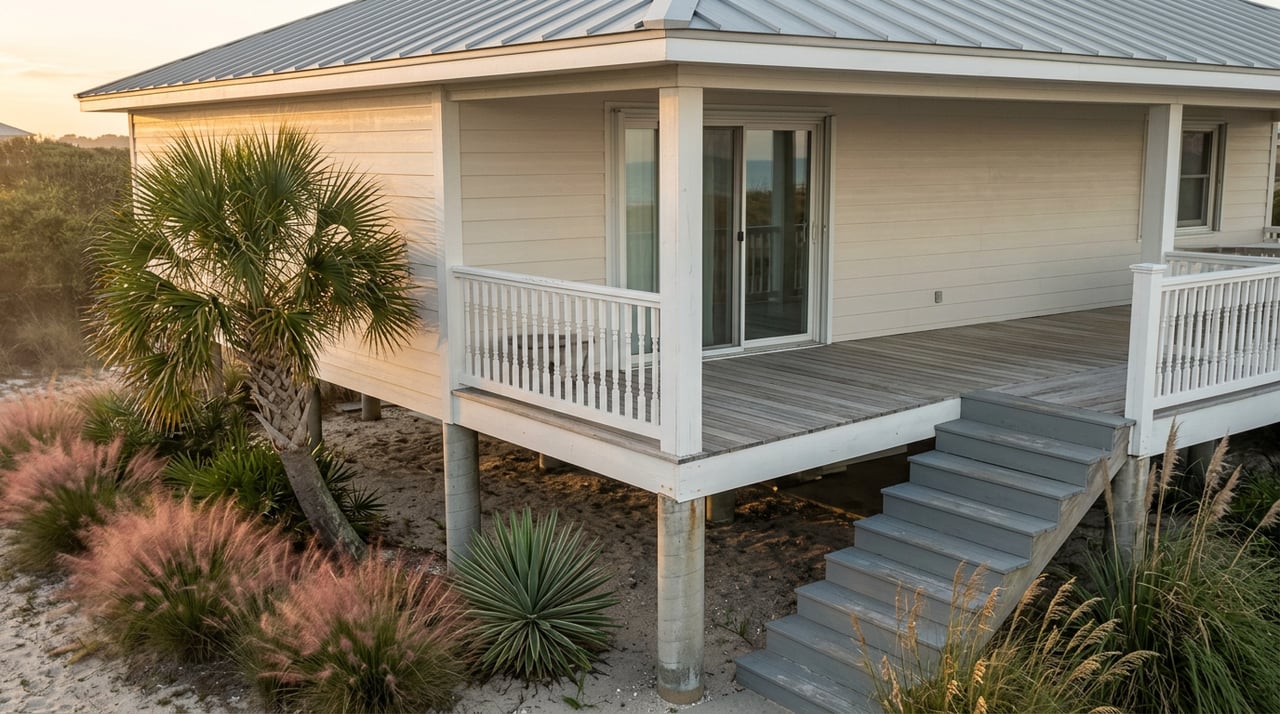
- Do coastal maintenance: power-wash decks and siding, rinse outdoor cushions, service dock hardware, and remove rusted items that could distract in hero shots.
1 week before
- Declutter and depersonalize. Remove personal photos, branded decor, and small items. Keep a few upscale, neutral accents that suggest a relaxed coastal lifestyle without going theme-heavy.
- Finalize what to stage. Prioritize the main living space, kitchen island, primary suite, powder rooms, and at least one outdoor entertaining vignette that frames the view.
- Confirm the shot list with your photographer. Call out the must-have angles for ocean, bay, pool, porch, and dock views.
Day of the shoot
- Make it camera-ready: open all window coverings, turn on lights with matching bulb color, hide cords and remotes, fluff pillows, make beds, and clear counters except for one or two styled pieces.
- Move cars off-site, roll up hoses, stow trash bins, and remove floor mats from entries and driveways.
- Coordinate an exterior twilight session with lights on. Twilight hero photos read as luxury and stop the scroll.
Design choices that win on camera
Lead with view and lifestyle
- Arrange sightlines so the water, balconies, pool, or historic streetscape are visible from key angles. Pull back heavy drapery and keep windows clean. Local coastal guides consistently emphasize framing water and outdoor access (coastal staging tips).
Edit for luxury
- Less can feel more. Choose a few statement pieces, scale furniture to fit the room, and leave negative space so the architecture breathes. Current luxury staging trends favor curated art, quality lighting, and clear sightlines (luxury staging trends).
Room-by-room game plan
- Entry and foyer: Keep it open with one statement light or console. Make sure the first frame reads as clean and leads the eye into the main living area or the view beyond.
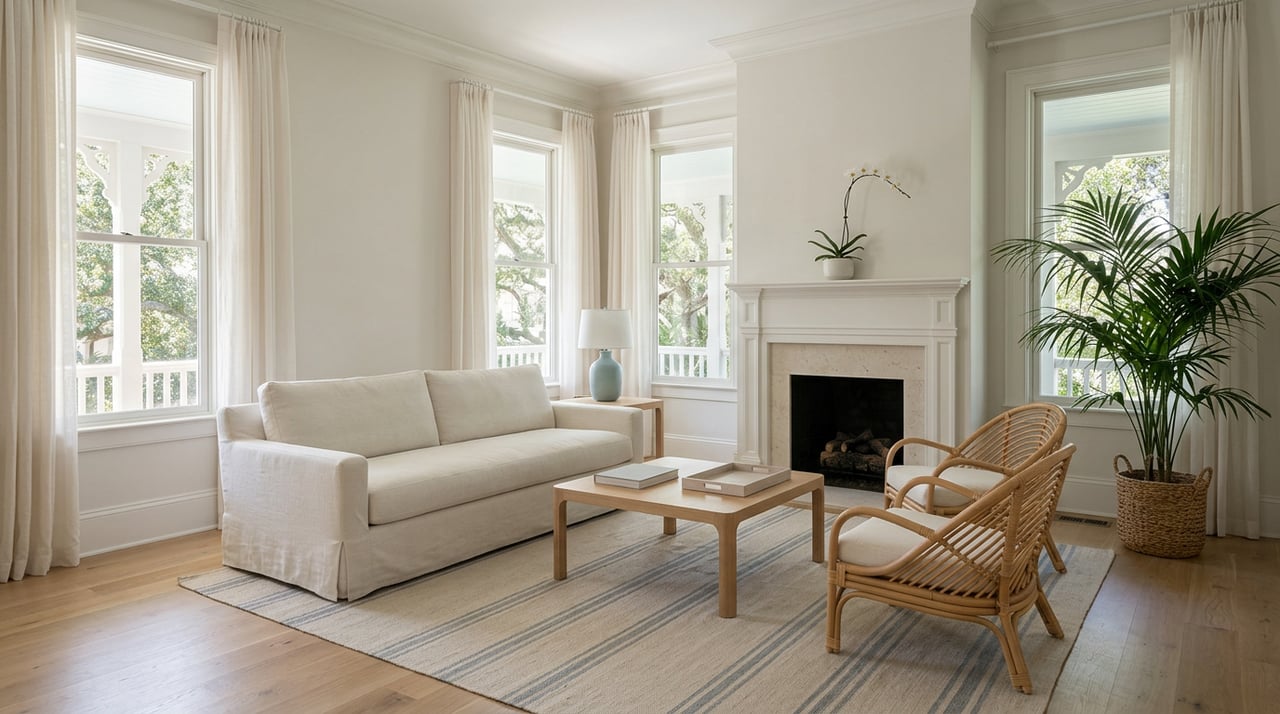
- Living and great rooms: Float seating into natural conversation zones that do not block windows. Use a generous, neutral area rug to anchor the scene and remove fussy side tables that clutter wide-angle shots.
- Kitchen: Clear everything except one upscale vignette like a bowl of citrus, a simple vase, or a cookbook on a stand. Align stools and polish appliance fronts for crisp, consistent finishes.
- Primary suite and baths: Choose crisp, neutral linens. Stage spa-like touches such as folded towels and a small tray of soaps to create a calm, polished feel on camera.
- Outdoor living, pool, and dock: Stage a dining setup and a lounge vignette with performance textiles. Rinse cushions and coil dock lines neatly so the scene reads orderly and inviting.
Materials that photograph and perform
- Fabrics: Use solution-dyed performance textiles for outdoor cushions. They resist UV fade, mildew, and salt for a clean look in photos (performance fabric guidance).
- Metals and hardware: Favor marine-grade stainless or powder-coated aluminum for visible exterior pieces. Avoid corroded items in key frames (coastal materials durability).
- Color and texture: Start neutral with soft whites and sand tones, then layer restrained ocean or bay accents. Add texture with woven rugs and matte ceramics, and avoid overly themed nautical decor (coastal staging tips).
Photo, video, and aerial best practices
Photos that sell the story
- Prepare a shot list: front exterior hero, backyard or pool, aerial overview, entry, main living, kitchen wide and detail, primary suite and bath, secondary beds and baths, outdoor rooms, dock or boat amenities, and context for the shoreline or historic street.
- Ask for level, consistent compositions and window-bright images where interior and exterior details are both visible. Twilight exteriors with lights on often become your hero image.
Video walkthroughs that convert
- Aim for a 1 to 4 minute guided walkthrough for serious buyers, with a shorter 30 to 90 second highlight reel for social. Storyboard the route from exterior hero to entry, main living, kitchen, primary suite, signature outdoor space, then a closing view (virtual tour guidance).
- Request smooth, stabilized moves and slow reveals toward key views. Hold final frames long enough for the viewer to absorb the space.
Aerials, safely and legally
- Hire a licensed FAA Part 107 pilot for any commercial drone work. Part 107 covers pilot certification, aircraft registration, and operating rules, including special approvals for certain operations (FAA Part 107 basics).
- In Galveston, confirm airspace and port considerations before flight day. Your pilot should check LAANC for authorizations and plan safe, compliant routes.
Virtual staging and clear disclosure
- Follow NAR’s “true picture” standard. If images are virtually staged or materially altered, label them clearly in captions and in listing remarks to avoid misleading buyers (NAR guidance on photo honesty).
- Best practice is to include both the original and the virtually staged version somewhere in the listing and watermark virtually staged images.
Quick checklist
- Deep-clean interiors and power-wash exteriors. Tidy landscaping and porches.
- Declutter and depersonalize. Make beds, clear counters, and hide cords.
- Stage the main living room, kitchen island, primary suite, and an outdoor entertaining zone that frames the view.
- Choose coastal-durable materials for any outdoor styling.
- Book pro photos with twilight and drone, and plan a 1 to 4 minute walkthrough video.
- Turn on all lights with matching bulbs and open window coverings.
- If using virtual staging, disclose it in captions and remarks.
Ready to elevate your listing with a camera-first plan that fits Galveston’s luxury market? Our team pairs island expertise with premium staging and media to showcase your home’s light, views, and lifestyle. For a tailored strategy and white-glove execution, connect with Spagnola Realty Group.
FAQs
What should Galveston beachfront sellers stage first for photos?
- Start with the main living area that faces the water, the primary suite, and one outdoor entertaining vignette that frames the ocean or dune view, then address entry and kitchen accents.
How far in advance should I book photography and video in Galveston?
- Book 2 to 4 weeks before your target list date to allow for minor repairs, deliveries, and coastal cleaning so everything is camera-ready.
Do I need a licensed drone pilot for real estate photos?
- Yes. Commercial drone work requires an FAA Part 107 certified remote pilot who can manage registration, airspace checks, and any needed authorizations (FAA Part 107 basics).
What video length works best for luxury listings?
- A 1 to 4 minute guided walkthrough is typical for serious buyers, with a 30 to 90 second highlight reel for social channels (virtual tour guidance).
How do I handle virtual staging disclosures in MLS listings?
- Clearly label virtually staged images in captions and listing remarks and avoid edits that misrepresent condition, following NAR’s “true picture” standard (photo honesty guidance).
What materials hold up to salt air for outdoor staging?
- Use solution-dyed performance fabrics and marine-grade stainless or powder-coated aluminum for visible pieces so they resist UV, mildew, and corrosion while photographing well (fabric guidance | coastal materials).