Thinking about updating a historic home in Galveston’s East End? It can be exciting to imagine a new kitchen, better flow, or improved storm resilience, but in a district with deep architectural history, every decision matters. If you plan carefully, you can improve comfort and function while protecting the features that make these homes so special. Let’s dive in.
Why the East End deserves care
Galveston’s East End is not just another older neighborhood. It is the city’s first residential neighborhood, its first locally designated historic district, and it is also listed on the National Register of Historic Places and recognized as a National Historic Landmark. The district’s late-19th-century character was shaped in part by rebuilding after the Great Fire of 1885, and it is closely tied to architects such as Nicholas Clayton, Alfred Muller, and George Stowe.
The neighborhood’s layout also helps explain why renovations here need a thoughtful approach. According to the City of Galveston’s design standards, the East End developed as a grid of fourteen lots per block with east-west alleys, and homes were historically built on piers and sometimes moved. That layered history is part of why the district feels varied, dense, and visually rich rather than uniform.
What to preserve first
When you walk through an East End home, it is easy to focus on finishes. In many cases, though, the features that matter most are the ones that define the home’s historic character from the street and throughout the structure.
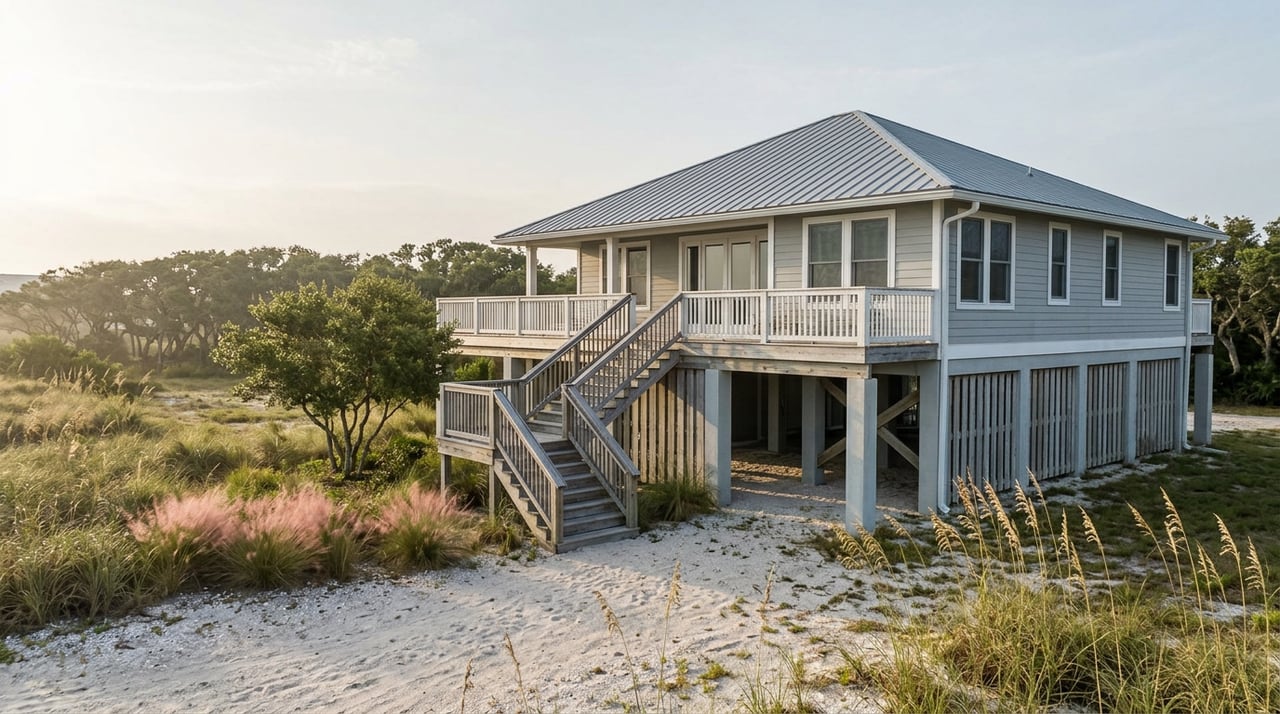
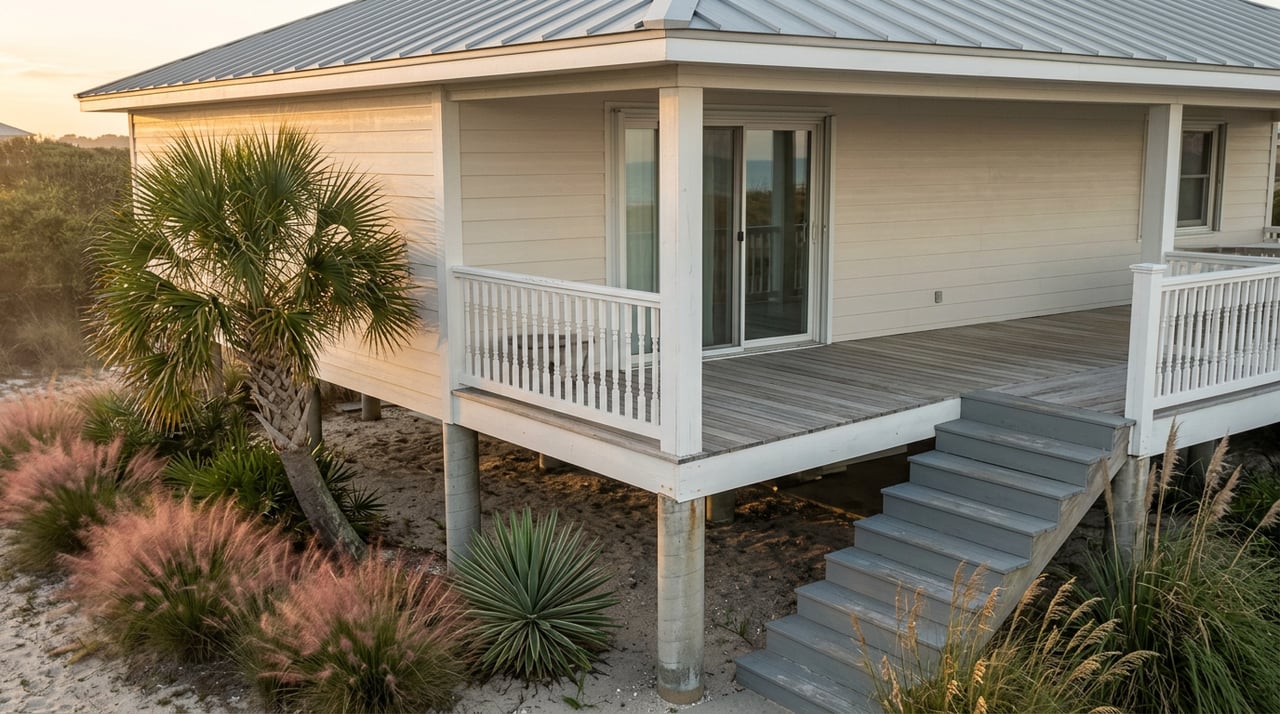
City survey records show many recurring architectural elements in the district, including raised foundations, wood siding, deep porches, turned balusters, decorative brackets, shutters, transoms, half-timbering, and varied roof forms. Examples in the city inventory include homes with full-width porches, exposed rafters, wrap-around eaves, decorative eave brackets, and high raised pier-and-beam foundations.
In practical terms, the most important cues often include:
- Roof shape
- Porch depth and detailing
- Window size and proportions
- Foundation height
- Siding material
- The way the house sits on the lot
The National Park Service rehabilitation guidance recommends that you identify, retain, and preserve character-defining features before making major changes. That same guidance also notes that small alterations can create a significant loss of historic character over time.
Start with hidden issues
A successful renovation usually begins with what you cannot easily see. Before you choose tile, paint colors, or cabinetry, it makes sense to understand the home’s vulnerabilities.
For many East End properties, that means reviewing:
- Roof condition
- Moisture intrusion
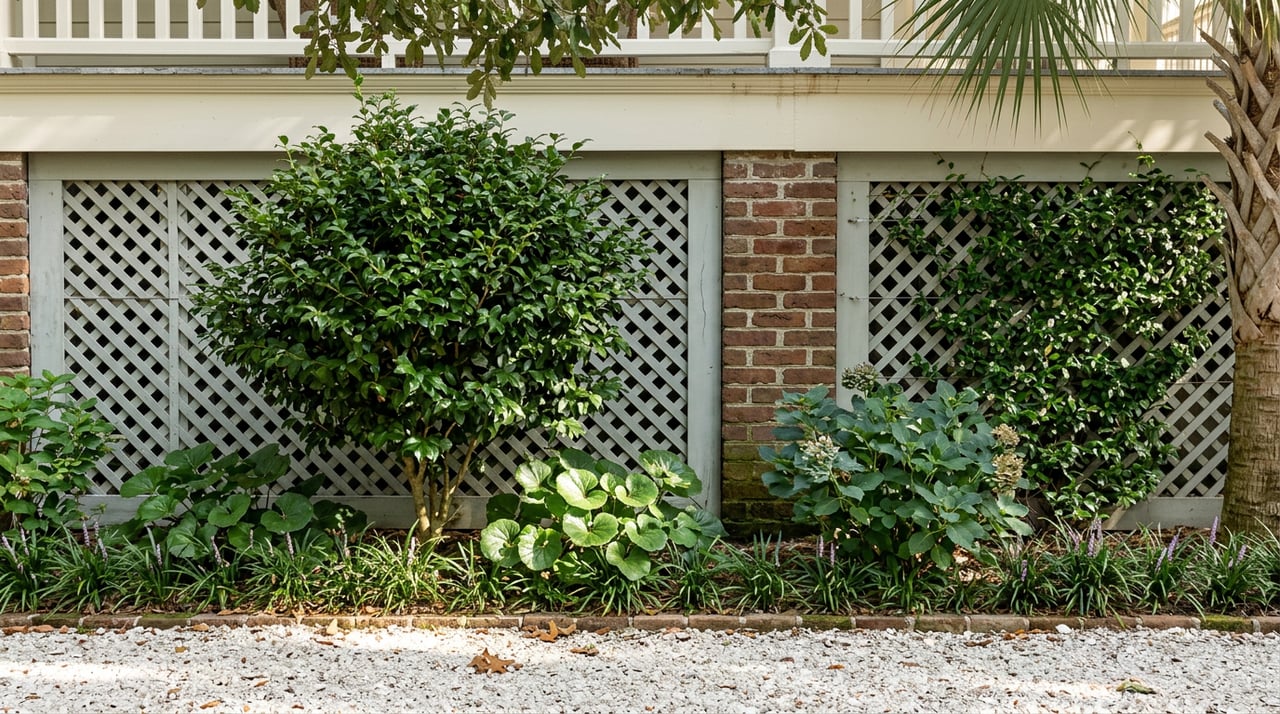
- Site drainage
- Structural stability
- Mechanical, electrical, and plumbing systems
This repair-first approach aligns with National Park Service guidance, which recommends preserving and maintaining historic materials, then repairing them before considering replacement. In a coastal environment like Galveston, delaying these issues can lead to more damage to original wood, trim, siding, and interior details.
Plan for coastal resilience early
In Galveston, renovation planning should also include flood and storm awareness from the start. The National Park Service flood adaptation guidance explains that flooding risk is increasing due to stronger hurricanes, sea level rise, and nuisance flooding, and it encourages owners to reduce risk while preserving historic character, site, and setting.
That matters in the East End, where raised houses, pier foundations, and site placement are already part of the neighborhood’s historic fabric. The City of Galveston’s design standards also include guidance related to storm-safety features and sustainability, reinforcing that resilience and preservation often need to work together.
If you are planning improvements, it helps to ask early how storm-hardening measures will be added without overwhelming the building’s historic appearance. That question is often easier to answer before plans are finalized than after finishes and layouts are already locked in.
Think carefully about additions
Many owners want more living space, better flow, or updated utility areas. Those goals can be reasonable, but in a historic district, additions should not be the first solution.
The National Park Service recommends evaluating secondary spaces before planning an addition. If an addition is needed, it should be clearly differentiated from the historic building and remain subordinate to it.
That means a good plan often focuses first on what can be improved within the existing footprint, such as:
- Reworking underused rooms n- Improving circulation
- Updating kitchens and baths with less disruption to historic spaces
- Relocating systems more efficiently
When an addition does make sense, the best outcomes usually respect the original scale, massing, and street-facing character of the house.
Repair before replacing
One of the biggest decisions in a historic renovation is knowing what truly needs replacement. In many cases, original materials can be repaired and retained, which helps preserve both character and long-term value.
The National Park Service specifically advises owners to repair historic materials before replacing them. If replacement is necessary, the new material and profile should match the historic appearance as closely as possible.
That is especially important for visible elements like:
- Siding
- Porch trim
- Windows and doors
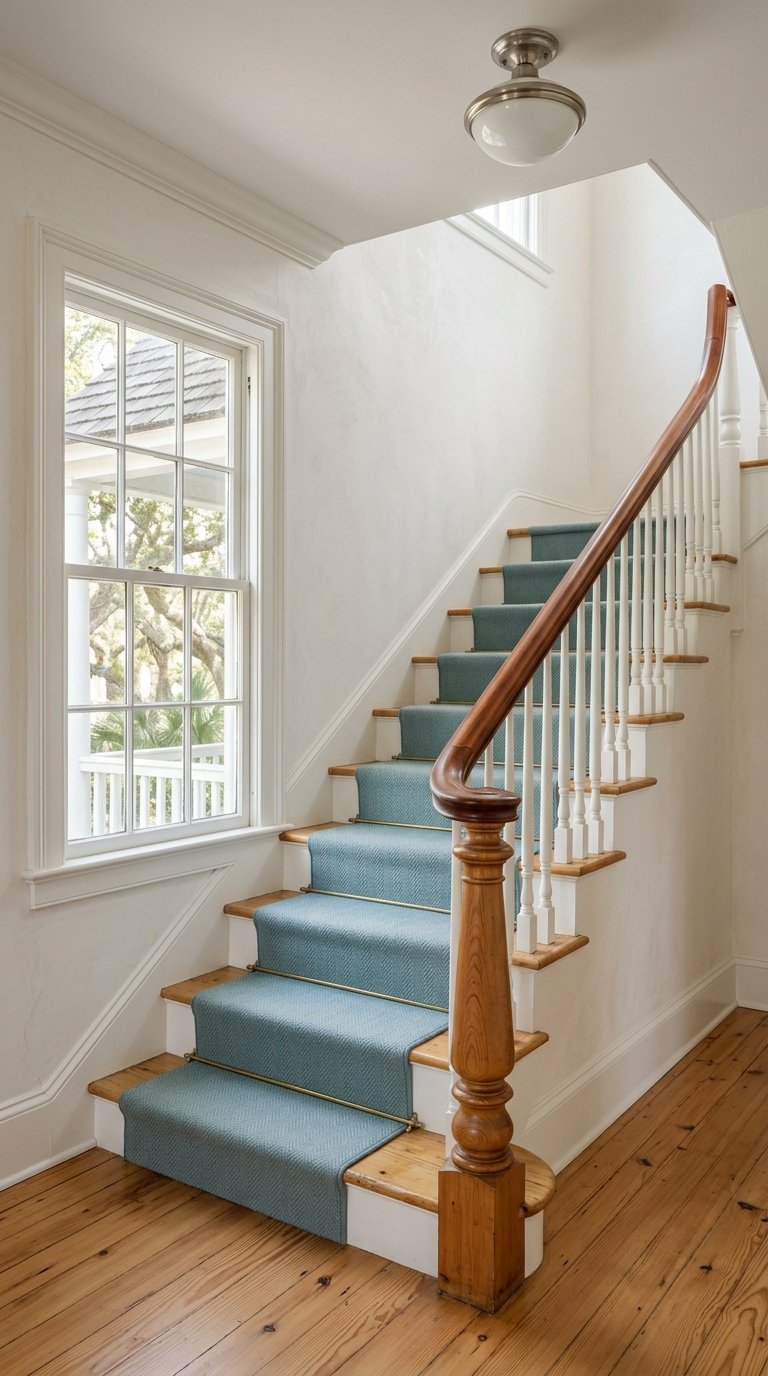
- Balusters and brackets
- Roof details
A repair-first mindset can also keep a renovation from becoming visually generic. In a district known for architectural variety, preserving original details helps maintain the distinctive look that makes East End homes stand out.
Include energy upgrades with care
Historic preservation and improved efficiency do not have to be at odds. The National Park Service guidance on energy efficiency notes that many upgrades can be incorporated when they are done carefully and without damaging historic materials.
Common opportunities may include:
- Reducing air leakage around windows and doors
- Insulating attics
- Improving wall insulation where appropriate
- Updating mechanical systems thoughtfully
The key is to avoid solutions that remove or conceal defining historic features. Energy improvements tend to work best when they support comfort and performance without changing the home’s core visual identity.
Build the right team
Historic renovations work best when you bring in professionals who understand both preservation and place. The National Park Service recommends case-by-case decisions with qualified preservation professionals, including architects, architectural historians, historians, archaeologists, and other specialists with rehabilitation experience.
For an East End home, it is also wise to look for contractors who are comfortable with repair-first work in a coastal climate. Galveston conditions can be demanding, so experience with moisture, wind, and older construction methods can make a major difference.
Useful questions to ask your team include:
- Which features are truly character-defining?
- What can be repaired rather than replaced?
- If replacement is necessary, what material and profile best match the original appearance?
- How will new systems or storm-safety features be introduced with minimal visual impact?
- If an addition is proposed, how will it remain subordinate and visually distinct?
Research your property before you design
Before you finalize a renovation scope, it helps to gather as much property history and district context as possible. The City of Galveston directs owners to the Galveston Historical Foundation, the Rosenberg Library Texas History Center, and the Texas History Center’s house and property research guide.
The city also recommends checking the zoning map and the historic sites inventory to confirm whether a property is a designated landmark or located within a historic district. That research can help you understand what may need added scrutiny before work begins.
Renovation choices and long-term value
The East End includes both modest bungalows and grand mansions, and that range is part of the district’s identity. City guidance also notes ongoing district concerns such as roof replacement issues, the height of new construction, public infrastructure, pressure from short-term rentals and larger apartment projects, and commercial encroachment.
In that setting, the renovations most likely to support long-term value are often the ones that improve day-to-day livability without flattening the home’s architectural personality. Thoughtful updates can make a house more functional, durable, and comfortable while still preserving the features that connect it to the neighborhood’s history.
If you are weighing a purchase, preparing a future sale, or deciding how far to take a renovation, local context matters. Working with a team that understands Galveston’s historic housing stock, coastal conditions, and design-sensitive decision-making can help you move forward with more confidence. When you are ready for thoughtful guidance on buying, selling, or evaluating a historic property, connect with Spagnola Realty Group.
FAQs
What makes Galveston’s East End Historic District unique?
- The East End is Galveston’s first residential neighborhood and first locally designated historic district, and it is also listed on the National Register of Historic Places and recognized as a National Historic Landmark.
What should you prioritize first in an East End renovation?
- Start with hidden issues such as roof condition, moisture intrusion, drainage, structural stability, and major systems before moving into cosmetic updates.
What architectural features are often important in East End homes?
- Common character-defining features include raised foundations, wood siding, porches, decorative trim, window proportions, roof forms, and the way the house sits on its lot.
Where can you research a historic property in Galveston?
- Helpful resources include the Galveston Historical Foundation, the Rosenberg Library’s Texas History Center, the city zoning map, and the city’s historic sites inventory.
Can you improve energy efficiency in a historic East End home?
- Yes, careful upgrades such as air sealing around windows and doors and insulating attics or walls may be possible if they do not damage historic materials or diminish historic character.