Wondering how to price a historic home in Galveston’s East End without leaving money on the table or scaring off serious buyers? You are not alone. Selling in this part of Galveston is different from selling a standard home, because buyers are weighing history, condition, documentation, and city review issues right alongside size and location. If you want to price with confidence, this guide will show you what really shapes value in the East End and how to position your home more strategically. Let’s dive in.
Why East End pricing is different
The East End Historic District is not just another neighborhood. It is Galveston’s first residential neighborhood, and the city identifies it as both a locally designated historic district and a National Historic Landmark district. According to the City of Galveston’s East End overview, the district began as a locally designated historic district in 1971 and later expanded in 1994.
That history matters because local historic designation can affect how exterior changes, additions, and new construction are reviewed. The city’s Historic Preservation Plan explains that locally designated districts are subject to Landmark Commission review for certain exterior work, while National Register status alone does not trigger the same local review. For sellers, that means pricing should reflect not only what your home is, but also how easy or difficult it may be for the next owner to maintain, update, or expand it.
What buyers are really pricing in
When buyers look at a historic home in the East End, they are usually doing more than comparing square footage. They are trying to estimate future cost, future effort, and future risk. The more uncertainty they feel, the more pressure there can be on price.
The city’s guidance for current and prospective historic property owners makes this especially important. It states that property owners are responsible for outstanding compliance issues on the property, even if they did not cause them. That means unresolved exterior work, permit questions, or compliance issues can directly affect how a buyer views value.
Architectural integrity matters
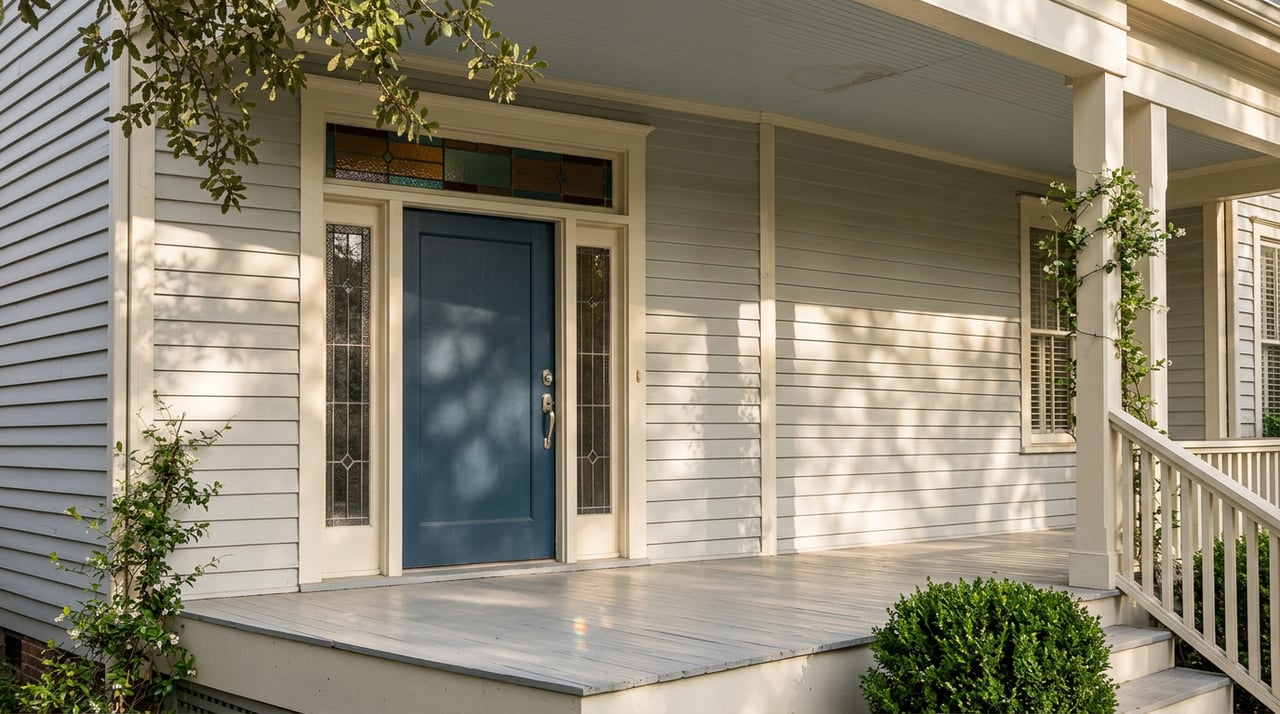
In the East End, original character is often part of the value story. The city’s Design Standards for Historic Properties emphasize preserving historic windows, roof form and materials, porch character, and site layout. These are not minor details. They help define the visual identity and historic integrity of the home.
If your property still has intact original features and a cohesive exterior appearance, that can support a stronger asking price than a similar home with altered windows, lost porch details, or lower-quality replacements. There is no official city formula for assigning dollar value to those features, but buyers often respond more favorably when the home’s historic character feels preserved rather than diluted.
Systems and structure matter too
Charm alone does not carry a sale. Buyers also want to know whether the roof, foundation, electrical, plumbing, and HVAC systems have been meaningfully updated.
The city’s Financial Incentive Program offers a helpful lens here. For substantial rehabilitation, qualifying work can include major items such as roofing, foundation, siding, electrical, plumbing, HVAC, and structural improvements. That tells you something important: in historic homes, meaningful value often comes from what has been improved behind the walls as much as what shows on the surface.
The strongest prices usually sit in the middle
In today’s market, many buyers are not looking for a full restoration project. They are looking for a home with character that does not come with immediate uncertainty. In practical terms, the best pricing support often shows up where preserved details and move-in readiness meet.
That means a home with documented upgrades, compliant work, and visible historic charm may appeal to a broader buyer pool than one that is beautiful but still needs major exterior work or compliance cleanup. In a market where buyers have options, reduced uncertainty can be a pricing advantage.
Why broad Galveston averages are not enough
It can be tempting to start with citywide numbers, but East End historic homes should not be priced off broad Galveston averages alone. The district includes a mix of preserved Victorian homes, updated residences, duplexes, and value-add properties. That creates a segmented market, not one single pricing lane.
The right comparison set is usually much narrower. You want to look at homes with similar architectural integrity, renovation quality, lot context, and permitting history, rather than simply comparing price per square foot across the island. Historic homes tend to reward precision.
Use micro-comps, not macro-comps
A useful pricing strategy is to compare your home to a very tight group of properties with similar features, such as:
- Similar architectural style or level of historic detail
- Similar condition of exterior features like windows, porches, and roof form
- Similar level of system updates
- Similar lot layout, yard context, and parking setup
- Similar documentation and permit history
- Similar floodplain and elevation considerations
This kind of comp analysis is especially important in the East End because buyers often make value judgments based on the full ownership picture, not just the listing photos.
Compliance issues can change your number
One of the biggest pricing mistakes sellers make is treating unresolved issues as simple disclosure items rather than pricing factors. In a historic district, that can be risky.
The city advises buyers to ask about application processes and outstanding compliance issues before purchase through its historic property owner guidance. If your home has unpermitted exterior work, open compliance questions, or incomplete documentation, a buyer may factor in delay, uncertainty, and repair costs. That often translates into lower offers or a longer time on market.
If you know there are issues, it is usually better to address them early or price with them clearly in mind. Transparency and preparation can create a smoother sale and a more credible list price.
Incentives can help, but do not assume them
Historic-home sellers sometimes assume every buyer will benefit from a broad tax incentive. In the East End, that assumption can lead to overpricing.
Because the district was designated in 1971, the more relevant city program for many owners is the substantial rehabilitation incentive, not the five-year exemption tied to newly designated districts. The city explains that this program is conditional, approval-based, and generally requires a significant investment threshold. It may also be transferable upon sale if the project qualifies.
That means incentives can support your value story when the work and approval history are well documented. But they should be presented carefully, not treated as automatic. Buyers and sellers both benefit from clarity here.
Floodplain factors affect pricing power
For coastal historic homes, flood-related costs can materially shape buyer behavior. This is not a small side issue in Galveston. It is a core part of the pricing conversation.
The city’s Flood Protection Information states that all development in the floodplain requires a permit. It also explains that substantially damaged or improved structures at or above 50% of the building’s market value are held to standards similar to new construction, including permit and elevation certificate requirements. The city further notes that new construction and substantial improvements must be built at least 18 inches above base flood elevation, and that standard homeowners insurance does not cover flood damage.
What this means for sellers
If your home has flood-related improvements, elevation documentation, or a clear record of compliant work, those details can reduce buyer uncertainty. If those items are unclear, buyers may assume higher future costs and adjust their offers accordingly.
When pricing an East End home, flood exposure and improvement history should be part of the conversation from day one. Ignoring them can lead to a list price that looks good on paper but does not hold up in the market.
A practical pricing framework for East End sellers
If you are preparing to sell, a strong pricing strategy usually starts with documentation and honest positioning. Historic homes perform best when the value story is complete and easy for buyers to understand.
Here is a simple framework to follow:
Audit historic features
Identify what original exterior elements remain, such as windows, porch features, roof form, and site layout.Gather improvement records
Organize permits, invoices, contractor records, and any approvals tied to exterior work or major system updates.Review compliance status
Check for any outstanding issues that could transfer to the next owner or raise questions during due diligence.Assess flood and elevation factors
Collect any elevation certificates, permit history, or records of substantial improvements that may affect buyer costs.Compare against narrow comps
Focus on similar East End homes, not just island-wide averages.Price for your likely buyer
A move-in-ready historic home often appeals to a wider pool than a property that still feels like a project.
Presentation still matters after pricing
Even the right number needs the right launch. Historic homes often earn stronger attention when their details are presented clearly and beautifully, especially online where buyers make quick judgments.
That is where thoughtful staging, professional photography, and strong property storytelling can help support your pricing strategy. When buyers can immediately see the home’s architectural character, condition, and lifestyle appeal, they are more likely to understand the number behind it.
The bottom line for East End pricing
Pricing a historic home in Galveston’s East End is part market analysis and part risk management. Buyers are not just buying square footage. They are buying architecture, condition, documentation, and the confidence that the home’s past and future make sense together.
If you want the strongest possible outcome, the goal is usually not to chase the highest number in the abstract. It is to support a price that reflects intact character, compliant improvements, and a smoother path for the next owner. For tailored guidance on presenting and pricing a historic Galveston property, connect with Spagnola Realty Group.
FAQs
How should you price a historic home in Galveston’s East End?
- You should price it using narrow East End comparables that account for historic features, renovation quality, permit history, compliance status, and flood-related factors, not just Galveston-wide averages.
Why do original features matter when pricing an East End historic home?
- Original windows, porch details, roof form, and site layout can shape buyer perception because the city’s design standards identify them as important parts of historic character.
Do compliance issues affect the value of a Galveston historic home?
- Yes. The City of Galveston states that property owners are responsible for outstanding compliance issues, so unresolved items can create pricing pressure and buyer hesitation.
Do tax incentives automatically increase the price of an East End home?
- No. Some city incentive programs are conditional and approval-based, so they should be treated as a possible value factor only when the property and project clearly qualify.
Why do floodplain rules matter when selling a historic home in Galveston?
- Floodplain permits, elevation requirements, and improvement thresholds can affect future ownership costs, which is why buyers often factor them into what they are willing to pay.