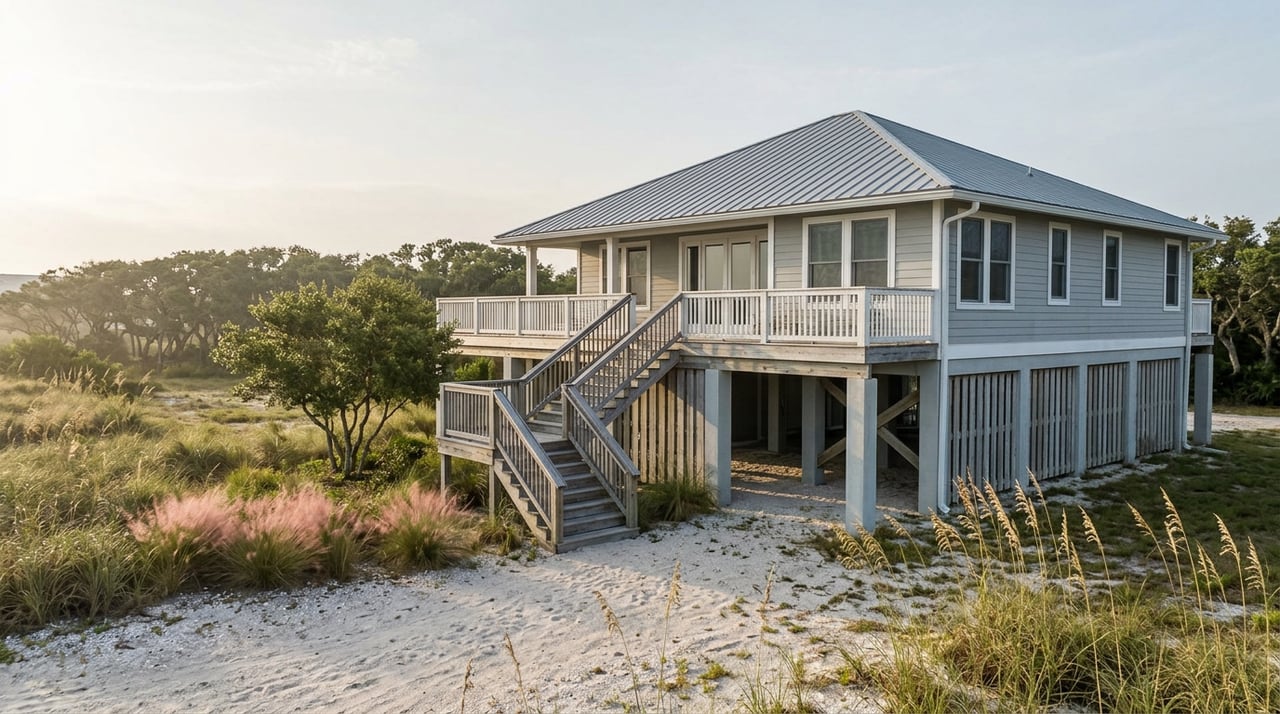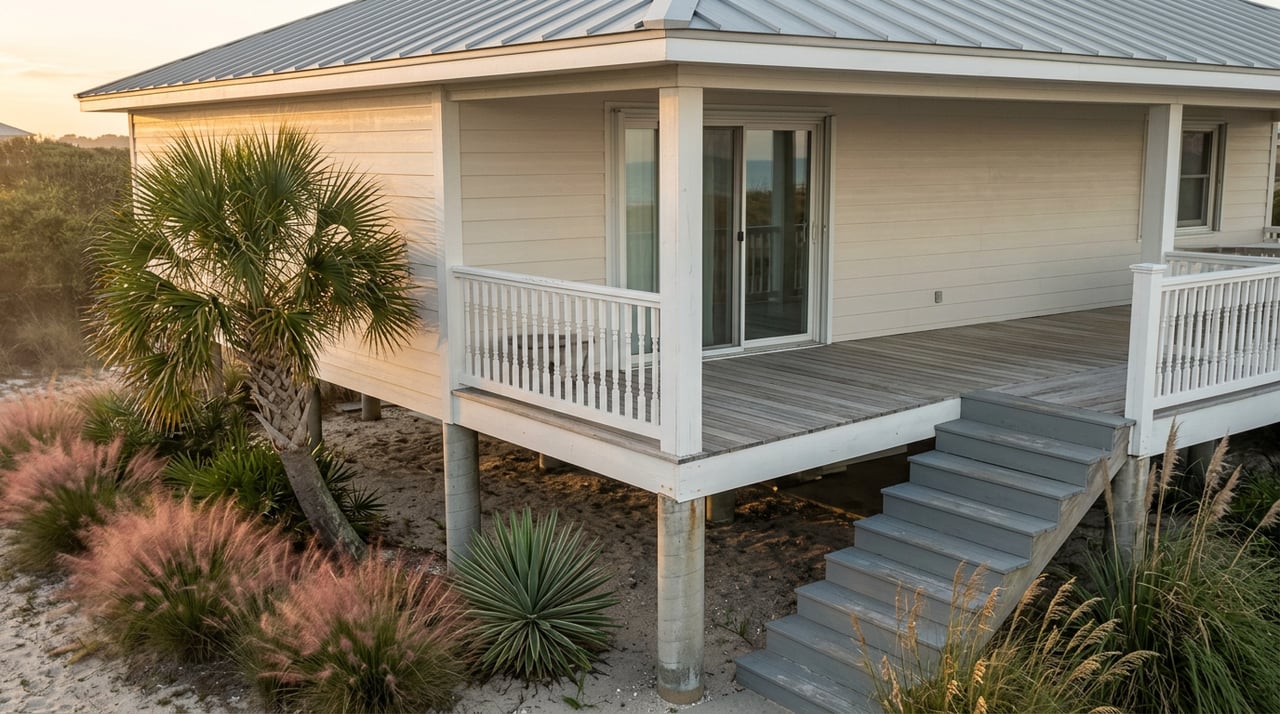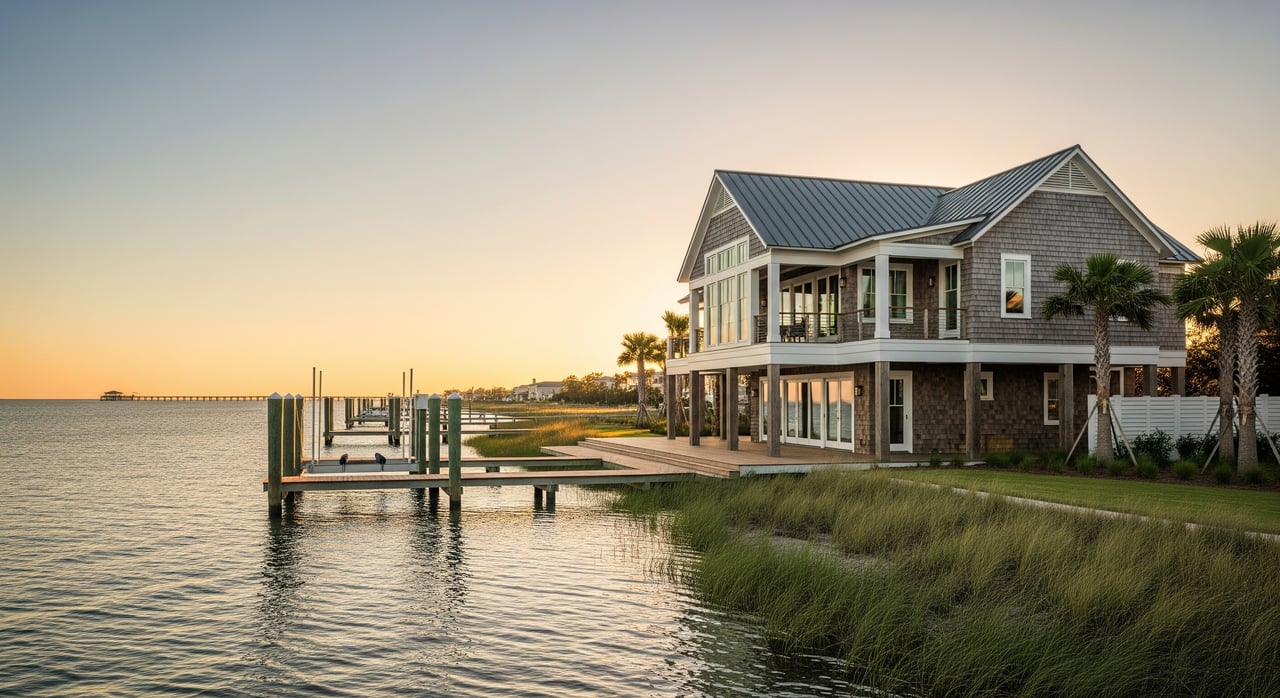
Thinking about listing your Galveston waterfront home but not sure where the right price lands? You are not alone. Waterfront pricing is different from inland homes because buyers pay for water type, usable access, elevation, and maintenance risks. In this guide, you will learn what truly drives value in Galveston, how to set a smart price, and how to present your property so buyers feel confident paying it. Let’s dive in.
Why Galveston waterfront pricing is different
Galveston attracts a mix of primary residents, second‑home buyers, and investors from Greater Houston and beyond. That variety shapes demand and price sensitivity. Coastal amenities like views, boat access, and beach proximity support premiums over similar inland homes, but the premium depends on the specific shoreline and condition.
To ground your strategy, monitor local data from the Houston Association of Realtors and the Texas A&M Real Estate Center. These resources help you understand current inventory and buyer activity for your segment. Pair those trend insights with the specialty factors below to build a pricing plan that fits Galveston’s waterfront market.
Key value drivers you must price in
Water frontage and boat access
Not all waterfront is equal. Open Gulf or uninterrupted bayfront often commands the highest premiums. Canal or protected lagoon frontage can be highly desirable for boaters if depth is navigable and the dock is usable. Price should reflect water type, view quality, privacy, and the length and usability of the shoreline.
Bulkheads, docks, and structural condition
Buyers study the condition of seawalls, bulkheads, pilings, and docks. A well‑maintained bulkhead and a properly permitted, functional dock or lift can support a higher price. If these structures are aging or failing, expect buyers to discount. Gather recent inspections and estimates so you can either address issues upfront or price accordingly.
Elevation, flood zone, and insurance
Flood risk affects affordability and buyer comfort. Many waterfront homes sit in Special Flood Hazard Areas, and lenders often require flood coverage based on FEMA Flood Map Service Center designations. Elevation certificates help buyers and appraisers understand risk and typical premiums.
Windstorm coverage also matters on the Texas coast. Buyers may obtain insurance through private carriers or the Texas Windstorm Insurance Association. Stay current on availability and pricing through the Texas Department of Insurance and the Texas Windstorm Insurance Association. Having quotes in hand removes uncertainty that can stall offers.
Legal rights, permits, and local rules
Title details and permits can materially impact value. Confirm ownership and permitted use of docks and bulkheads, and ensure records align with current improvements. Short‑term rental rules vary by area and HOA. If your property’s rental profile is part of its value story, point buyers to current policies from the City of Galveston and your association. Clarity widens your buyer pool and supports firmer pricing.
A step‑by‑step pricing plan
1) Gather the facts
- Pull a waterfront‑specific set of comps that match your frontage type, elevation, dock and bulkhead condition, and view quality.
- Review active, pending, and expired listings to see pricing thresholds and how the market is reacting right now.
- Collect documentation that buyers and appraisers will request: elevation certificate, flood zone verification, seawall and dock inspections, permits, and any insurance quotes.
2) Build a waterfront‑specific CMA
- Adjust for water type and view. Open water with unobstructed views prices differently than interior canal.
- Quantify access and infrastructure. Usable dock, boat lift, navigable depth, and a sound bulkhead command premiums.
- Account for resiliency upgrades. Elevated construction, impact windows, and corrosion‑resistant materials matter on the coast.
3) Consider buyer pool and financing limits
- Price with total cost of ownership in mind. Flood and wind premiums affect purchasing power compared to inland homes.
- Expect lenders and appraisers to lean conservative when comps are scarce or not truly comparable.
4) Choose your list strategy
- Market‑value list: Targets recent comparable sales and usually yields the best balance of price and time on market.
- Slight underpricing: Can spark multiple offers if inventory is low and demand is strong for your specific frontage.
- Avoid overpricing: Stale listings signal risk and often net less after reductions.
5) Mind price bands and seasonality
- Many buyers search within round‑number price bands. Position your price where it captures the widest audience without crossing a common cutoff.
- Spring and early summer typically draw more vacation and boating buyers in Galveston. If timing is flexible, plan to launch when activity peaks.
Presentation that supports your price
Your marketing must prove the premium. High‑impact visuals and transparent documentation reduce perceived risk and help buyers justify your number.
- Invest in professional photos and drone video. Highlight shoreline, view corridors, boat access, and orientation to the bay or Gulf.
- Stage at favorable tide times. Show how the property lives during typical use, not just at peak water levels.
- Provide a “waterfront packet.” Include elevation certificate, seawall and dock inspection reports, permit records, maintenance logs, and sample insurance quotes. Transparency builds trust and accelerates decision‑making.
Appraisal, financing, and insurance realities
Appraisers must rely on closed sales, and truly similar waterfront comps can be limited. If your home’s features are unique, appraisals may come in conservative. Be prepared to support value with documentation, recent improvements, and well‑selected comps.
Anticipate underwriting requests. Buyers will want elevation certificates, structural reports for elevated foundations, and documentation of bulkhead and dock condition. Lenders will require floodplain verification and may scrutinize windstorm coverage. Staying ahead of these items shortens timelines and sustains your pricing power.
For broader market context on buyer activity and coastal trends, consult the National Association of Realtors. For long‑term planning and shoreline considerations, resources from NOAA’s coastal portal offer useful background for buyers who think beyond this season.
Seller checklist to prep your price
- Recent waterfront‑specific CMA from a local agent.
- Property survey showing shoreline and any easements.
- Title review of riparian or littoral rights and recorded improvements.
- Elevation certificate and FEMA flood map panels.
- Insurance history and current quotes for flood and wind.
- Bulkhead, seawall, dock inspections and any repair estimates.
- Permits for docks, seawalls, additions, and storm repairs.
- Maintenance logs and contractor invoices for coastal‑grade upgrades.
- Transparent disclosures for any past flood or storm damage.
- High‑quality photos and drone imagery that show typical tide conditions.
To verify tax history and basic property data, use the Galveston County Appraisal District. For local permitting and ordinances, check the City of Galveston. Pair these resources with MLS data from HAR and research from the Texas A&M Real Estate Center for a complete picture.
Common pricing pitfalls to avoid
- Ignoring bulkhead or dock condition. Buyers will find issues during inspections and discount heavily.
- Overpricing based on inland comps. Waterfront value hinges on water type, elevation, and access.
- Skipping permits and documentation. Unpermitted docks or unclear rights can shrink your buyer pool.
- Waiting to discuss insurance. Share flood zone details and wind coverage options early using information from FEMA, the Texas Department of Insurance, and TWIA.
Your next move
Pricing your Galveston waterfront home to win is about precision. When you align price with true waterfront value, back it with impeccable presentation, and answer insurance and permitting questions upfront, you create the confidence buyers need to step forward with strong offers.
If you want a tailored CMA, premium marketing, and guidance from a Galveston‑rooted team that understands docks, bulkheads, elevation, and investor goals, connect with Spagnola Realty Group. We combine white‑glove presentation with technical advisory and market reach so you can list with confidence.
FAQs
What affects the price of a Galveston waterfront home most?
- Water type and view, usable boat access, bulkhead and dock condition, elevation and flood zone, and the clarity of permits and shoreline rights.
How do flood zones and elevation impact buyer offers?
- Lender‑required flood insurance and premium amounts are based on FEMA designations and elevation certificates, which affect affordability and offer strength.
Should I fix bulkhead or dock issues before listing?
- If repairs are significant, either complete them or provide inspections and credible estimates so you can price accurately and avoid large buyer discounts.
What documents help support my asking price?
- Elevation certificate, FEMA flood panels, seawall and dock inspections, permits, maintenance logs, insurance quotes, and a waterfront‑specific CMA.
When is the best season to list a Galveston waterfront home?
- Spring and early summer typically see more vacation and boating buyers, which can boost showings and competition if your pricing and presentation are aligned.