Search lands for sale in Houston, TX with The Spagnola Realty Group.
Houston, TX Housing Market Stats (2026)
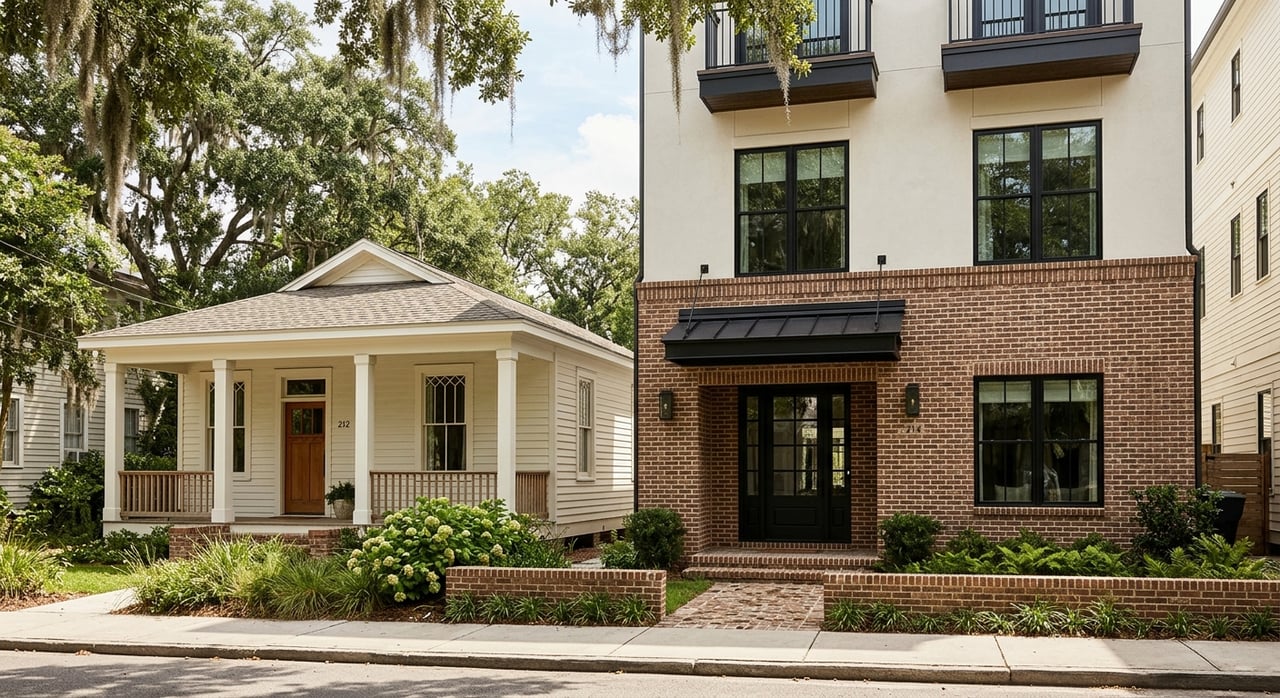
Houston famously stands as the largest city in the United States without traditional, top-down municipal zoning laws, making land acquisition here a completely different venture than anywhere else in the country. In heavily regulated states like California or New York, and even in Texas cities like Austin or Dallas, purchasing a plot of land requires navigating rigid zoning maps that restrict use to strictly single-family residential, multi-family, or commercial codes. In Houston, land use is designated "by right," meaning a buyer has unparalleled flexibility to pivot their development plans to match shifting market demands without enduring years of public hearings, bureaucratic rezoning delays, or costly legal battles. This lack of use-restrictions lets you maximize the profit potential of a raw lot, transitioning it into a high-density townhouse development, a commercial storefront, or a mixed-use project based purely on your financial timeline.
While cities like Phoenix, Atlanta, or Dallas expand outward via massive, continuous suburban sprawl that dilutes the value of central city land, Houston has a clear geographic distinction inside its master highway loops. Buying land or an under-utilized teardown lot within the Inner Loop (Interstate 610) or Beltway 8 gives you access to scarce, land-locked urban territory directly adjacent to global economic engines like the Texas Medical Center and the Downtown energy hub. Because there is virtually no vacant master land left in these hyper-concentrated centers, buying even a small lot allows you to capitalize on severe supply constraints. This guarantees that your parcel of earth inherently retains premium value over time, as institutional and private developers are forced to look for infill lots to satisfy the continuous influx of high-earning medical and corporate professionals who refuse long suburban commutes.
Texas is broadly recognized for being pro-business, but Houston optimizes this by combining a low-barrier regulatory environment with streamlined, fast-tracked permitting processes tailored to boost construction. Unlike the rest of the country where a land buyer might wait eighteen months to two years just to break ground due to environmental impacts, environmental lawsuits, and strict design guidelines, Houston’s local government prioritizes efficient infrastructure turnover. This dramatically reduces a landowner’s holding costs—such as loan interest and land taxes—allowing you to move from site planning to actual construction rapidly. This speed-to-market advantage is a massive safeguard for your capital, ensuring that you can develop your lot and begin generating revenue or cash-flow while land investors in other major metros are still mired in municipal red tape.
Here are six frequently asked questions about buying land or lots for sale in Houston, TX
While Houston famously lacks official municipal zoning laws, this does not mean land development is a total free-for-all. The vast majority of neighborhoods rely on private deed restrictions and subdivision covenants that strictly dictate whether a lot can be used for residential or commercial purposes. Additionally, any new build must strictly adhere to the City of Houston’s structural codes, infrastructure ordinances, buffer requirements, and minimum lot-size rules.
If you purchase a lot in the unincorporated or newer suburban fringes of Houston (like Katy, Cypress, or Spring), the land will likely fall into a Municipal Utility District (MUD). MUDs are separate taxing entities that issue bonds to build out the local water, sewage, and drainage infrastructure, passing those costs onto the landowner via an additional property tax. This MUD tax can significantly increase your annual carrying costs, though properties closer to the urban core (the Inner Loop) are generally tied directly to city utilities and bypass this fee entirely.
Before purchasing land in Houston, it is vital to cross-reference the parcel's coordinates with the FEMA Flood Map Service Center and the Harris County Flood Control District’s interactive maps. Being located within a 100-year or 500-year floodplain can drastically increase the cost of your builder's risk and future property insurance. Furthermore, the city enforces strict elevation mandates for flood zones, requiring builders to construct homes several feet above the base flood level, which significantly increases structural foundation costs.
If you are buying an "infill" lot inside a developed neighborhood, city water, electricity, and sewer lines are usually readily accessible at the street curb, keeping hookup fees minimal. However, if you purchase raw, undeveloped land in outlying Harris County, you may face thousands of dollars in unexpected costs to run power lines or clear the land for an On-Site Sewage Facility (septic system). Buyers should always make their land offers contingent upon a feasibility study that explicitly outlines the exact distances and costs required to tie into public or private utility grids.
In Texas, the mineral estate can be completely severed from the surface estate, meaning you do not automatically acquire the rights to oil, gas, or minerals beneath your land by default. It is incredibly common for historical oil companies or previous families to have retained 100% of the mineral rights decades ago. A comprehensive title search conducted by a localized title company is required to determine the ownership chain of the mineral estate and verify if any active drilling leases exist on or near the property.
Financing a raw lot or land parcel is substantially more difficult than securing a standard residential mortgage because banks view land as a higher-risk collateral asset. Local Texas lenders typically require a much larger down payment—frequently between 20% to 50%—and attach higher, variable interest rates with shorter repayment timelines. To minimize this financial barrier, many buyers utilize combined "lot-and-home" construction loans, where the land purchase is seamlessly bundled directly into the long-term building loan.
Whether you're just starting to explore the Houston market or you're ready to make a move, we're here to help. From navigating neighborhoods and flood zones to understanding tax structures and finding the right fit for your budget, no question is too small. Reach out today and let's talk about what you're looking for—we'd love to help you find the property that feels like home.

Houston is a city of distinct communities, each with its own character, price points, and lifestyle. Our neighborhood guides break down everything you need to know—from school districts and commute times to flood zones and market trends—so you can find the area that fits your life. Start browsing below to explore what makes each Houston neighborhood unique and find the one that's right for you.
Whether buying or selling, we're here to guide you. Connect with Spagnola Realty Group today to discover how we can make your real estate experience seamless and rewarding.