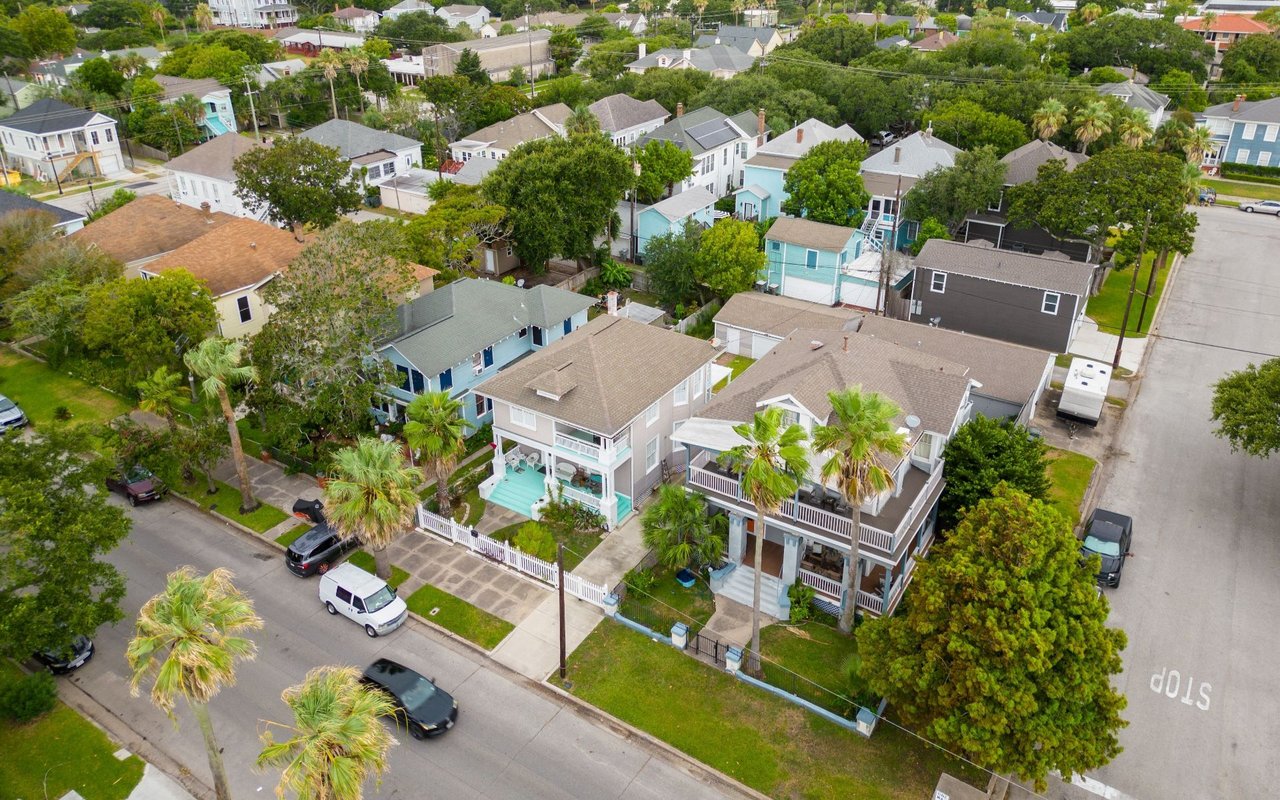
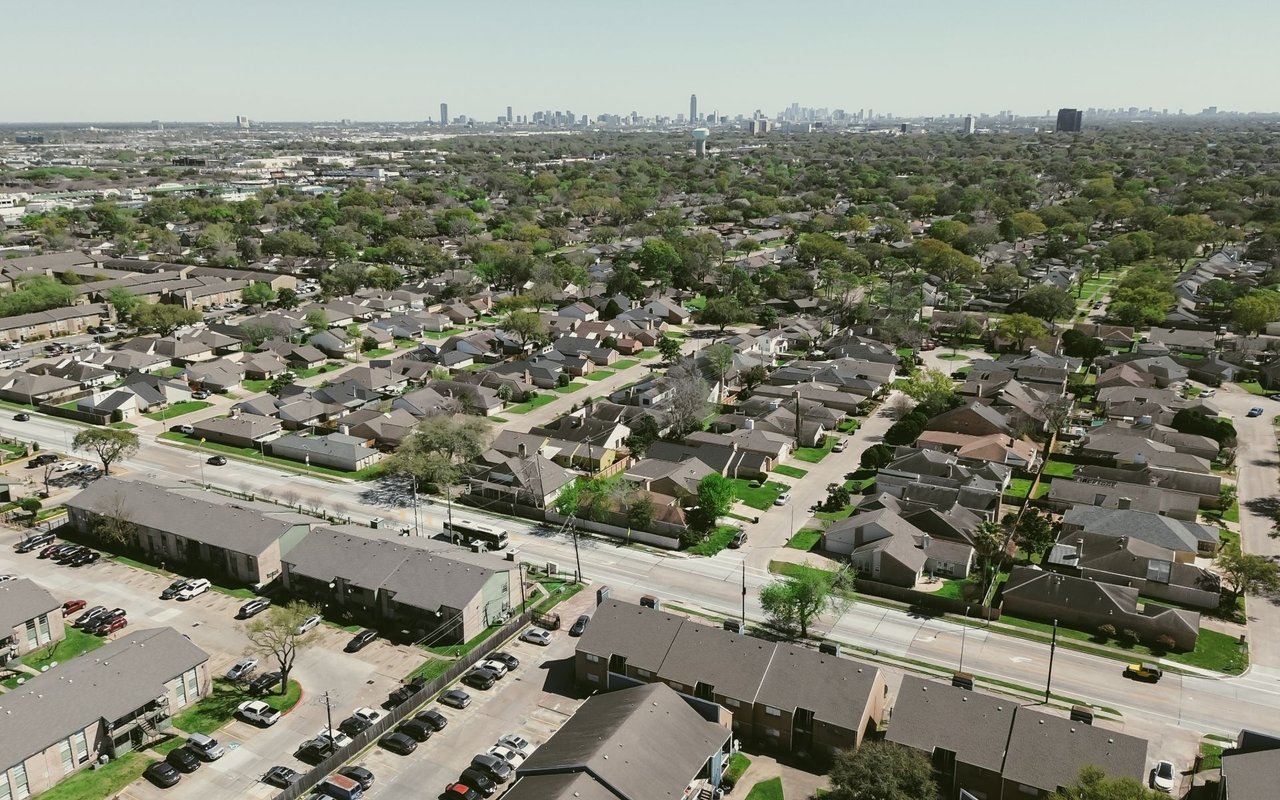
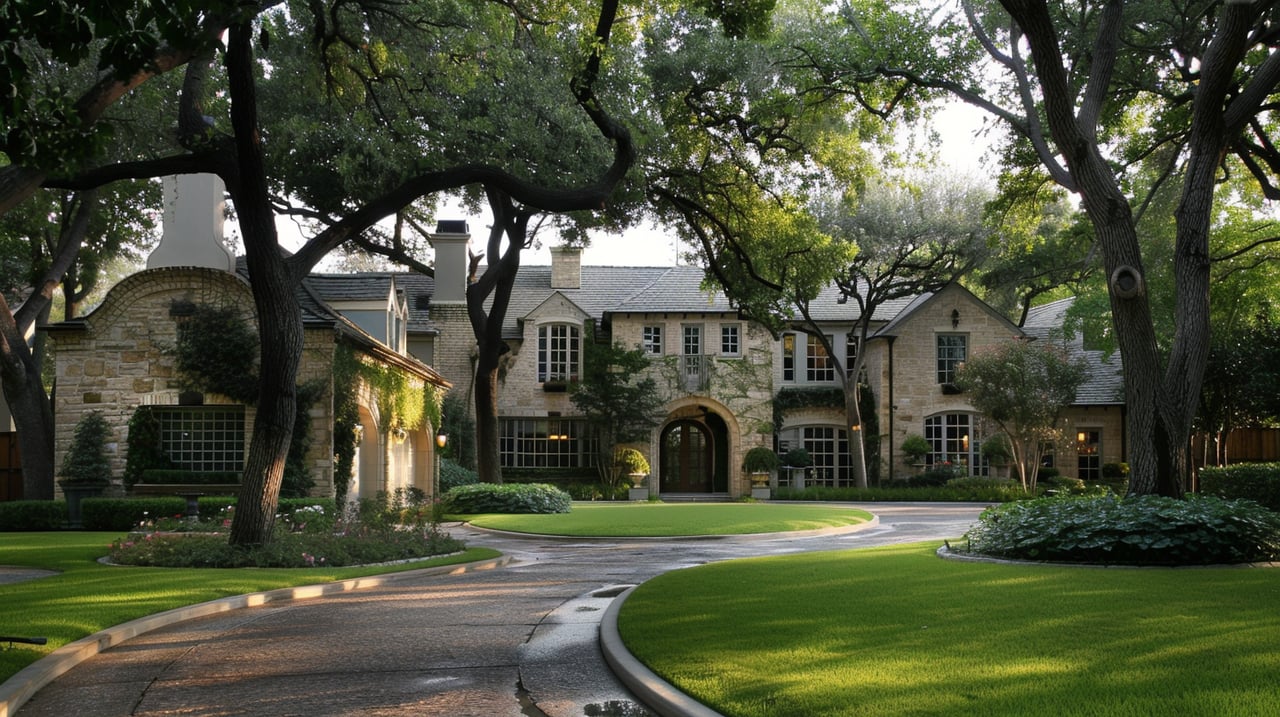
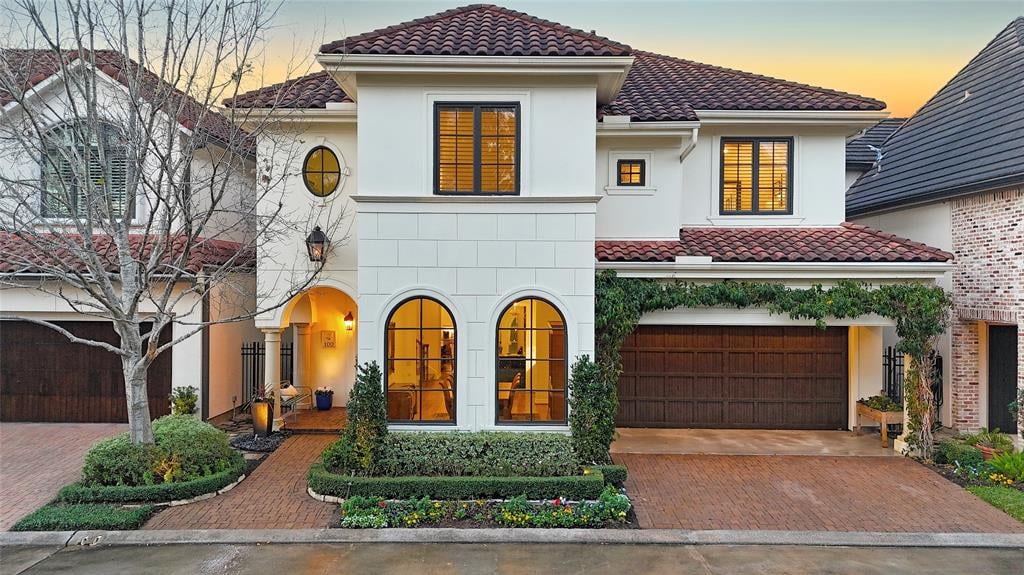
The Heights is unlike anywhere else in Houston. Sitting just four miles northwest of Downtown inside the 610 Loop, it's one of the city's oldest and most fiercely preserved neighborhoods — a place where 100-year-old craftsman bungalows share blocks with newly built luxury townhomes, and where the culture around front porches, local coffee, and independent restaurants is taken as seriously as the real estate itself.
The buyers it draws tend to have one thing in common: they don't want to leave the city. High-earning professionals, creatives, young couples, and urban families who would rather walk to dinner than drive to a strip mall find exactly what they're looking for here. The Heights is one of the rare Houston neighborhoods where lifestyle and long-term value reinforce each other — where the streets are actively protected, the community is genuinely involved, and demand for homes never fully disappears, even when the broader market softens.
The Heights has moved decisively out of the bidding-war frenzy of 2021–2022 and into something more balanced and sustainable. The median sale price currently sits around $675,000 to $680,000, reflecting modest year-over-year appreciation of 2.4% to 3.8% — steady, not spectacular, and consistent with the neighborhood's long-term trajectory.
Inventory remains relatively tight compared to the broader Houston market at roughly a 4-month supply. Homes are spending a median of 50 to 62 days on market, which means well-presented homes on desirable streets still attract serious attention quickly, while overpriced listings now sit long enough for buyers to negotiate without panic.
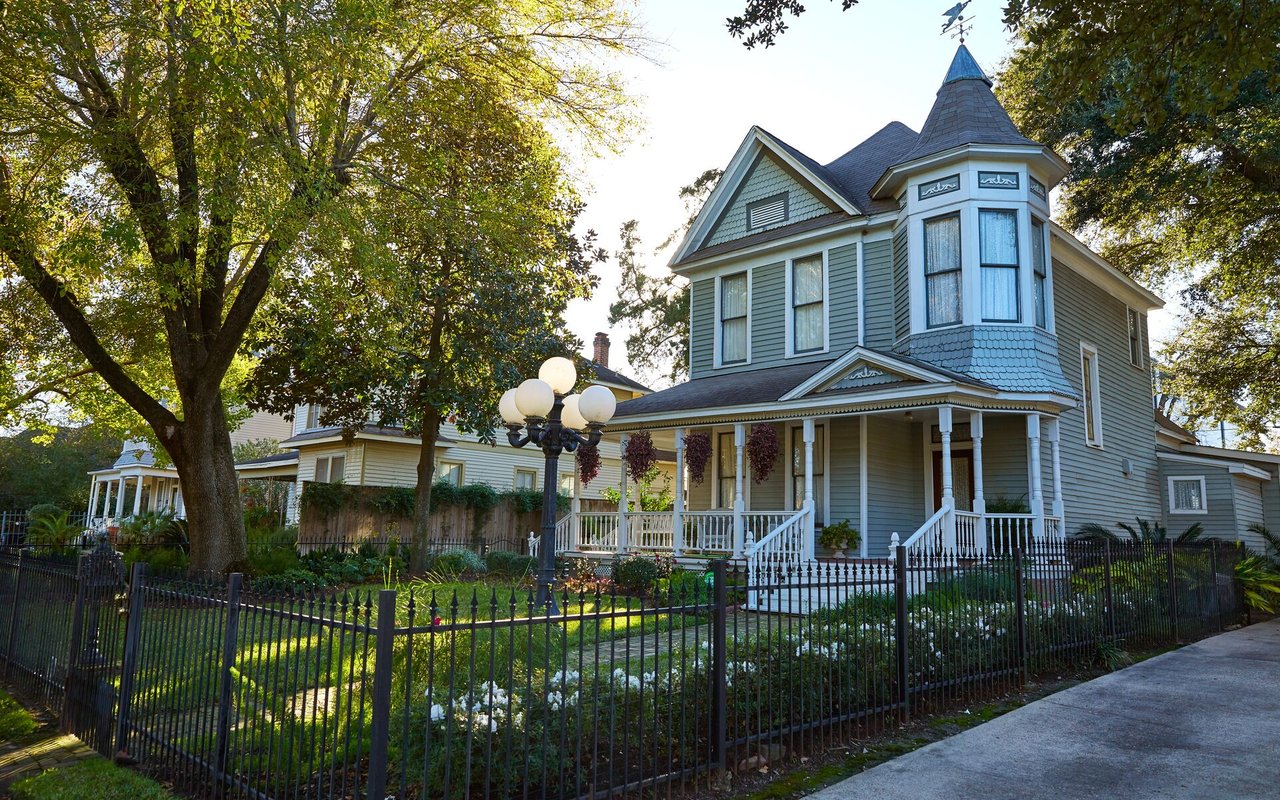
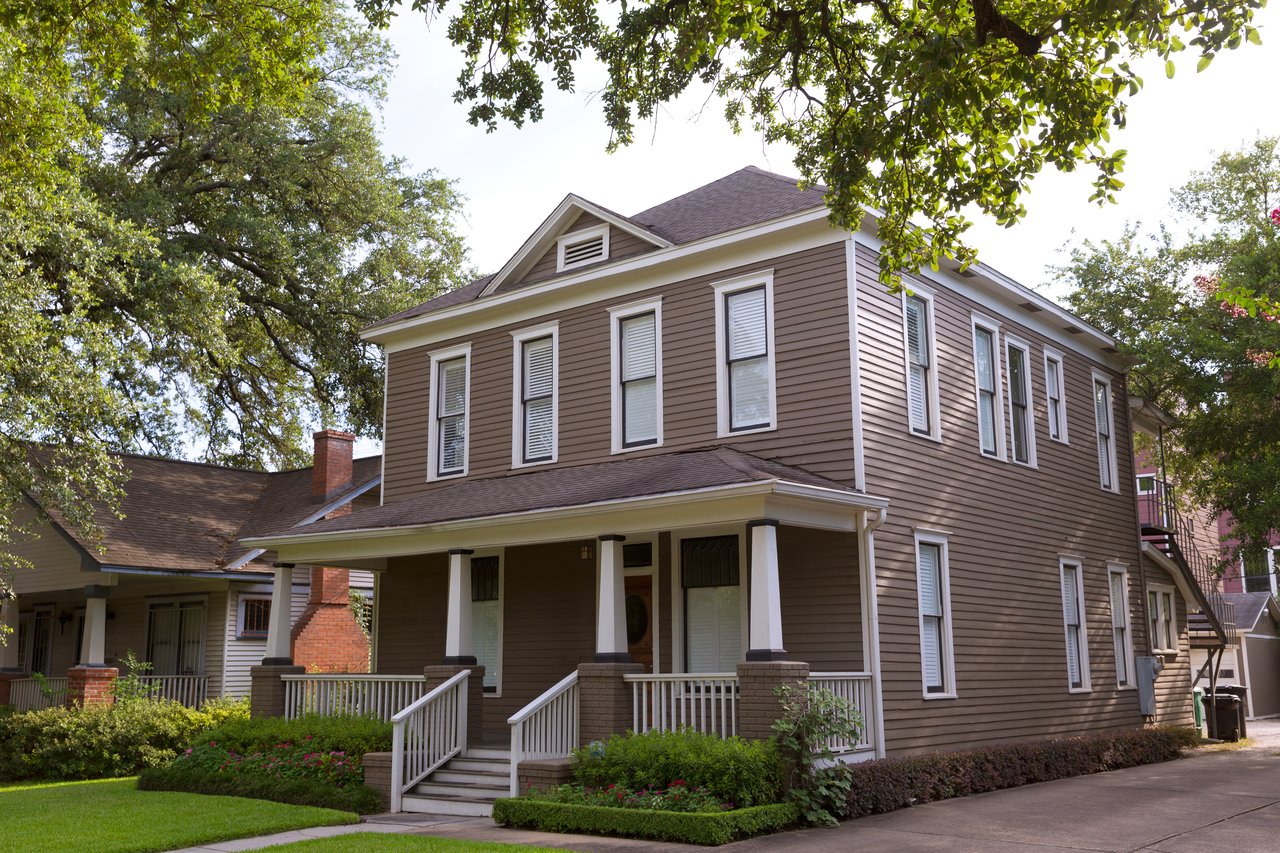
Pricing in the Heights isn't uniform — it's hyperlocal. The neighborhood effectively operates as two overlapping micro-markets. Inside the designated Historic Districts (East, West, and South Heights), unrenovated original bungalows from the 1920s trade between $400,000 and $550,000, while fully restored historic estates with quality craftsmanship can exceed $1.4 million. Outside the historic zones — particularly along the I-10 corridor and south of 11th Street — new luxury construction dominates and reflects the premium of modern builds in a land-constrained environment.
The long-term trajectory here is stability, not softening. The Heights has a structural supply ceiling because there simply isn't more land to develop inside the loop, which is why appreciation has consistently outpaced the broader Houston average over time.
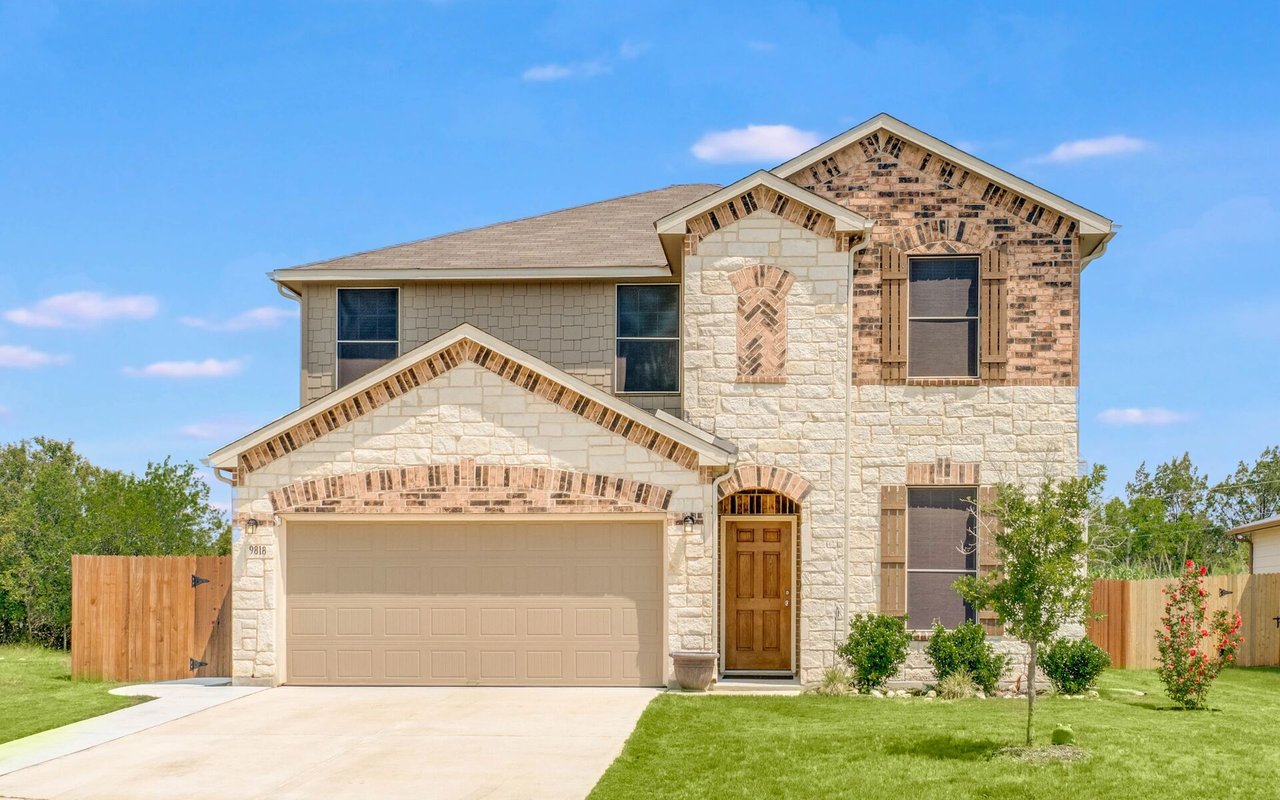
Because land inside the 610 Loop is finite, new construction in the Heights follows one primary pattern: teardown and rebuild. Older homes on non-historic lots are regularly demolished to make way for luxury single-family homes and attached townhomes — particularly along the I-10 corridor and south of 11th Street, which sit outside the strictest historic protections.
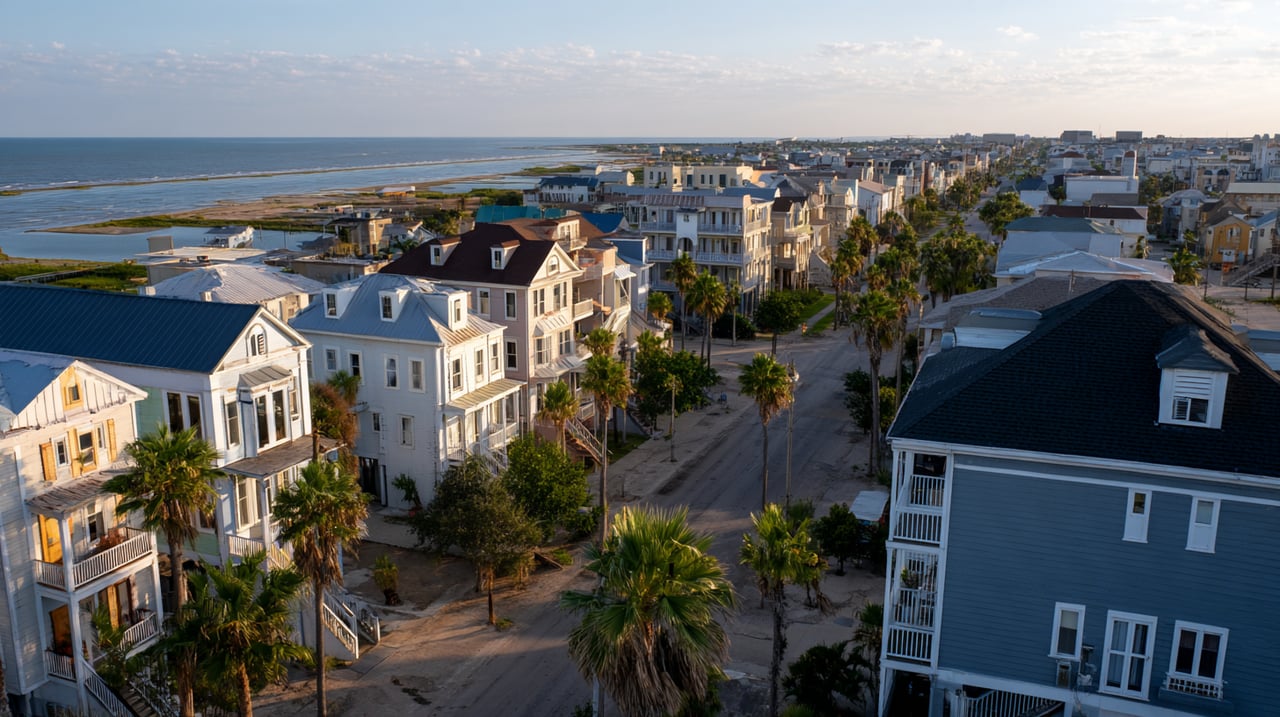
What buyers can expect from new builds here is a long way from anything in the suburbs. These are almost exclusively multi-story homes — often three stories — with modern open floor plans, high-end finishes, rooftop decks, and footprints designed to maximize smaller urban lots. Single-family new construction ranges from $1.1 million to $1.8 million. Attached townhomes represent the more accessible entry point, typically commanding $550,000 to $750,000.
The builders active here are primarily local boutique developers and urban infill specialists — firms like InTown Homes alongside various luxury custom builders who've built strong reputations in the inner-loop market. National production builders are largely absent. This is a market that demands builders who understand urban constraints, and the quality of the output reflects that.
One important caveat: any new construction that borders a designated Historic District must navigate strict architectural rules around rooflines, setbacks, porch styles, and exterior materials. That regulatory layer adds complexity to the timeline but also protects the very character that makes Heights addresses valuable.
The Heights rewards prepared buyers. The market is balanced — not the all-cash, waived-contingency environment of a few years ago — but well-priced, turnkey homes on premier blocks still move in 14 to 21 days and will occasionally draw competing offers. A bulletproof pre-approval and a decisive mindset aren't optional here; they're table stakes.
The transactional structure follows standard Texas real estate protocols, but the Option Period is where the real strategic work happens. Buyers typically pay a non-refundable option fee of $250 to $500 to secure a strict 5-to-7-day inspection window. Because so much of the Heights housing stock is old — pier-and-beam foundations, aging plumbing, shifting clay soils — structural and plumbing inspections aren't just recommended, they're essential. An inspector who knows inner-loop construction specifically is worth seeking out.
The most common property types you'll encounter include 1920s historic craftsman bungalows (many expanded or renovated over decades), modern three-story detached townhomes with rooftop decks and contemporary interiors, and neo-traditional homes that present a historic facade from the street while offering entirely modern floor plans inside.
The Heights has a few layers of complexity that consistently catch first-time buyers off guard — particularly those relocating from outside Texas.
The Historic District Boundaries Matter More Than They Look on a Map. Houston is famously one of the only major American cities without formal zoning laws. The Heights is the significant exception. Its three designated Historic Districts — East, West, and South Heights — carry real regulatory authority. If your property falls inside one of these boundaries, the Houston Archaeological and Historical Commission controls any exterior changes: adding windows, building additions, modifying rooflines or porches all require formal approval. If you're buying with plans to expand or renovate the exterior, confirming that the property sits outside these zones before you fall in love with it is non-negotiable.
Deed Restrictions Are the Functional Zoning. Outside the Historic Districts, the Heights protects neighborhood character through privately recorded deed restrictions rather than municipal zoning. These dictate setbacks, lot subdivision rights, and permitted uses. Always review the title commitment's deed restriction section carefully — your agent and title company should walk you through anything with implications for your plans.
Flooding Is Localized, Not Universal. The Heights earned its name because it sits on elevated ground relative to most of Houston, but that doesn't make flooding irrelevant. Severe localized street flooding during heavy downpours happens, and some properties sit in the 500-year floodplain even when technically outside the high-risk Zone AE designation. Always verify flood zone status independently, and favor pier-and-beam foundations over slab-on-grade for older homes — they perform significantly better under Houston's rainfall conditions.
If you're moving from a dense coastal city — Chicago, New York, San Francisco — or from an urban hub like Austin, the Heights will feel immediately familiar in a way that most of Houston won't. It functions like a self-contained urban village with genuine walkability, community institutions, and a neighborhood identity that's actively protected by the people who live there.
Daily life centers around a few key corridors. 19th Street is the antique and boutique corridor. 11th Street hosts an evolving mix of restaurants, cafes, and neighborhood-facing retail. White Oak Drive has become the hub for nightlife and casual dining. The Heights Hike-and-Bike Trail ties it all together, connecting residents on foot and by bike to parks, a large H-E-B on Shepherd, and Buffalo Bayou Park without getting in a car.
For families considering the move, the Heights offers the urban core experience without sacrificing community infrastructure — which is why it consistently attracts professionals who could choose to live almost anywhere in the city.
Walk scores in the Heights range from 73 to 88 depending on the specific block — unusually high by Houston standards and competitive with walkable neighborhoods in cities like Austin or Dallas. The Heights Hike-and-Bike Trail is the infrastructure backbone of that score, connecting residents to parks, breweries, grocery stores, and the broader Buffalo Bayou trail network without crossing major arterials.
For commuters, the location inside the 610 Loop is a genuine asset:
Destination | Typical Drive Time |
|---|---|
Downtown Houston | 10–15 minutes via I-10 or surface streets |
The Galleria / Uptown | 15–20 minutes via Loop 610 West |
Texas Medical Center | 20–30 minutes via I-45/Hwy 288 |
METRORail doesn't run directly through the heart of the Heights, so most residents drive or use rideshare for trips outside the immediate neighborhood. The proximity to I-10 gives Heights residents commute windows that are short compared to virtually anywhere else in Houston.
The Heights sits within Houston Independent School District (HISD), and the public school landscape here reflects both what urban school systems do well and where they create friction for families.
At the elementary level, the Heights is exceptional. Harvard Elementary — an International Baccalaureate World School — and Travis Elementary, known for its Vanguard gifted and talented program, are the two anchor campuses that directly command price premiums for homes within their attendance zones. Field Elementary is another consistently well-regarded option. These schools attract highly engaged parent communities and perform well above the district average.
The middle and high school picture is more layered. HISD operates a magnet and specialized application system for its top secondary tracks, which means the school on your zoning map isn't necessarily the school your child will attend long-term. Many Heights families navigate this proactively by applying to specialized campuses like Carnegie Vanguard or the High School for the Performing and Visual Arts through the district's magnet system.
Private education is a significant presence here as well. St. Thomas High School (all-boys Catholic) is nearby, and the Heights has a notably high concentration of families utilizing private PK-8 preparatory schools — a pattern that reflects both the quality of available private options and the real complexity of the HISD secondary pathway.
The Heights offers some of the most integrated green space in urban Texas, and it's a meaningful driver of both quality of life and long-term desirability.
Donovan Park on Heights Boulevard is the social nucleus for families with young children — a community-built wooden playground that functions as a weekend gathering point as much as a park. The Heights Boulevard Jogging Trail runs down the center median of Heights Boulevard for roughly two miles, lined with mature trees and public art installations, and is consistently packed with runners.
For longer-distance users, the White Oak Bayou Greenway connects the neighborhood by paved trail directly to Buffalo Bayou Park and ultimately to Downtown. It's one of the most valuable pieces of trail infrastructure in the city, and a primary reason serious cyclists and runners seek out the Heights specifically.
The Heights is one of Houston's better food neighborhoods and a genuine incubator for chef-driven, independent concepts that reflect the creative personality of the community.
The energy concentrates around M-K-T Heights and Heights Mercantile — two thoughtfully designed lifestyle centers anchored by patio dining, specialty coffee, and chef-forward concepts rather than national chains. Weekend brunch is practically a neighborhood institution. Third-wave coffee shops appear on multiple corners. Farm-to-table dinner concepts rotate in regularly, and when they're good, they stay for a while.
Nightlife is deliberately low-key. You won't find high-energy clubs. What you'll find instead are upscale cocktail bars with unmarked storefronts, historic honky-tonks along White Oak Drive, and sprawling dog-friendly craft breweries — places where a night out means walking there, sharing a craft pizza on a string-lit patio, and running into neighbors. The Heights chooses local almost reflexively, and the dining scene is a direct expression of that.
The Heights has a culture of its own that's genuinely hard to replicate elsewhere in Houston. It's urban without being cold, historic without being precious, and community-driven in a way that feels earned rather than manufactured.
The defining social texture is what longtime residents call front-porch culture. On most evenings, people are outside — on porches, on sidewalks, walking dogs, talking across lawns. That's not accidental. The scale of the streets, the age of the trees, and the density of active neighborhood organizations create a social fabric unusual for a Texas city. There are parades, outdoor markets, ongoing historic preservation efforts, and community-built parks — all of which signal that the people here are genuinely invested in keeping the Heights what it is.
For buyers, that culture translates into something concrete: a neighborhood with strong long-term holding power, high reentry demand, and a sense of identity durable enough to weather market cycles. People don't tend to leave the Heights. They tend to move within it.
Navigating the Heights requires more than market data. It requires knowing the difference between a purchase inside and outside a Historic District, understanding which blocks carry drainage risk, and being able to move quickly and precisely when the right property comes available.
Spagnola Realty Group is a top-producing Houston and Galveston real estate team with seven years of direct market experience across the inner-loop and beyond. Led by Caroline Spagnola — an Accredited Luxury Home Specialist with deep roots in both urban and investment real estate — the team brings transactional precision and genuine local knowledge to every client. Caroline works collaboratively with civil engineers, architects, and land surveyors where needed, ensuring buyers aren't just purchasing a home but making an informed decision about the full picture. Whether you're relocating from out of town or making your next move within Houston, reach out to start the conversation.
Spagnola Realty Group | spagnolarealtygroup.com
2,300,420 people live in Houston, where the median age is 34.3 and the average individual income is $41,142. Data provided by the U.S. Census Bureau.
Total Population
Median Age
Population Density Population Density This is the number of people per square mile in a neighborhood.
Average individual Income
There's plenty to do around Houston, including shopping, dining, nightlife, parks, and more. Data provided by Walk Score and Yelp.
Explore popular things to do in the area, including Charlie Liquor, Omega Retail, and Toros HTX Coffee.
| Name | Category | Distance | Reviews |
Ratings by
Yelp
|
|---|---|---|---|---|
| Dining · $$ | 0.33 miles | 6 reviews | 3.8/5 stars | |
| Dining | 0.59 miles | 0 reviews | 0/5 stars | |
| Dining | 1.04 miles | 25 reviews | 4/5 stars | |
| Dining · $ | 1.23 miles | 17 reviews | 4.2/5 stars | |
| Dining · $ | 1.24 miles | 39 reviews | 2/5 stars | |
| Dining | 1.31 miles | 0 reviews | 0/5 stars | |
| Shopping | 0.83 miles | 0 reviews | 0/5 stars | |
| Shopping | 1.21 miles | 72 reviews | 3.7/5 stars | |
| Shopping | 1.3 miles | 1 review | 3/5 stars | |
| Active | 0.57 miles | 0 reviews | 0/5 stars | |
| Active | 1.17 miles | 0 reviews | 0/5 stars | |
| Beauty | 0.78 miles | 7 reviews | 5/5 stars | |
| Beauty | 0.85 miles | 0 reviews | 0/5 stars | |
| Beauty | 1.1 miles | 85 reviews | 4.5/5 stars | |
| Beauty | 1.11 miles | 0 reviews | 0/5 stars | |
| Beauty | 1.17 miles | 0 reviews | 0/5 stars | |
| Beauty | 1.17 miles | 4 reviews | 5/5 stars | |
| Beauty | 1.17 miles | 0 reviews | 0/5 stars | |
| Beauty | 1.2 miles | 0 reviews | 0/5 stars | |
| Beauty | 1.2 miles | 125 reviews | 4.6/5 stars | |
| Beauty | 1.21 miles | 3 reviews | 5/5 stars | |
| Beauty | 1.25 miles | 0 reviews | 0/5 stars | |
| Beauty | 1.25 miles | 5 reviews | 5/5 stars | |
| Beauty | 1.26 miles | 0 reviews | 0/5 stars | |
|
|
||||
|
|
||||
|
|
||||
|
|
||||
|
|
||||
|
|
Houston has 916,536 households, with an average household size of 2.47. Data provided by the U.S. Census Bureau. Here’s what the people living in Houston do for work — and how long it takes them to get there. Data provided by the U.S. Census Bureau. 2,300,420 people call Houston home. The population density is 3,592 and the largest age group is Data provided by the U.S. Census Bureau.
Total Population
Population Density Population Density This is the number of people per square mile in a neighborhood.
Median Age
Men vs Women
Population by Age Group
0-9 Years
10-17 Years
18-24 Years
25-64 Years
65-74 Years
75+ Years
Education Level
Total Households
Average Household Size
Average individual Income
Households with Children
With Children:
Without Children:
Marital Status
Blue vs White Collar Workers
Blue Collar:
White Collar:
Whether buying or selling, we're here to guide you. Connect with Spagnola Realty Group today to discover how we can make your real estate experience seamless and rewarding.