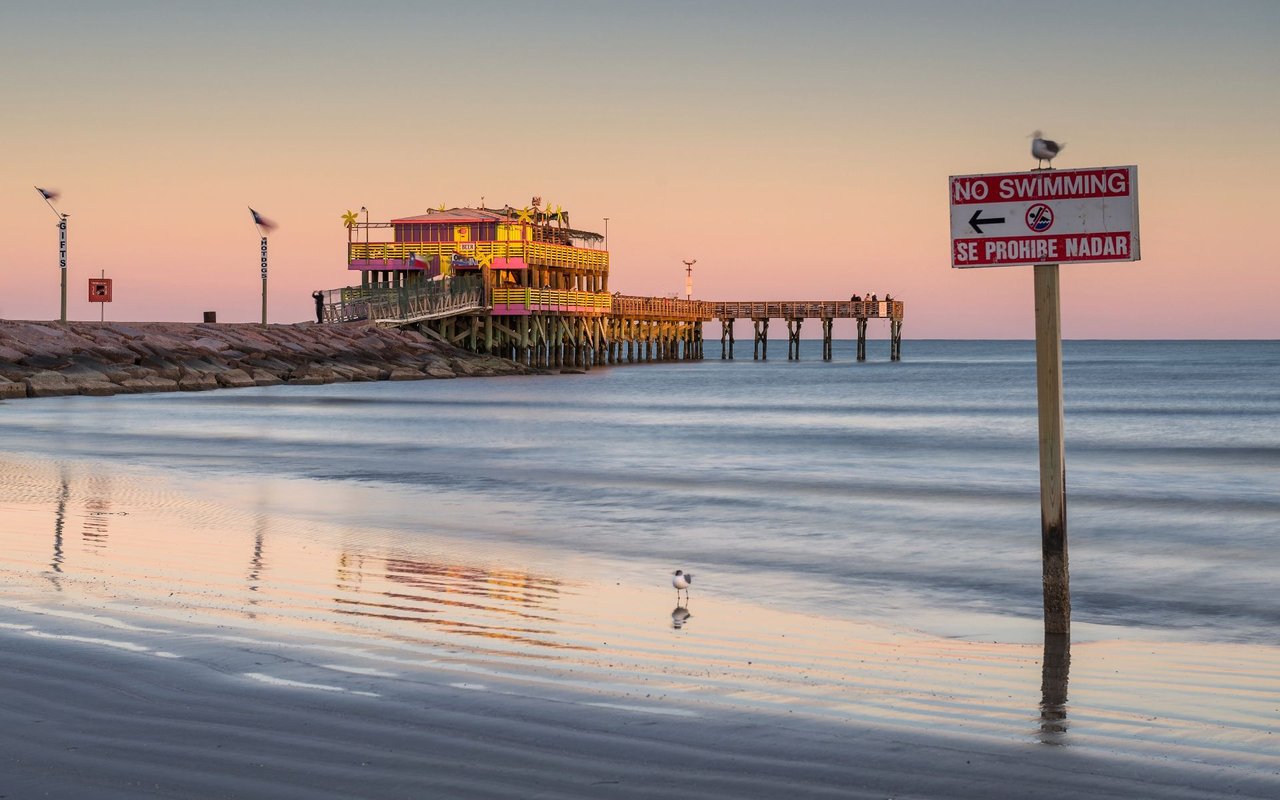
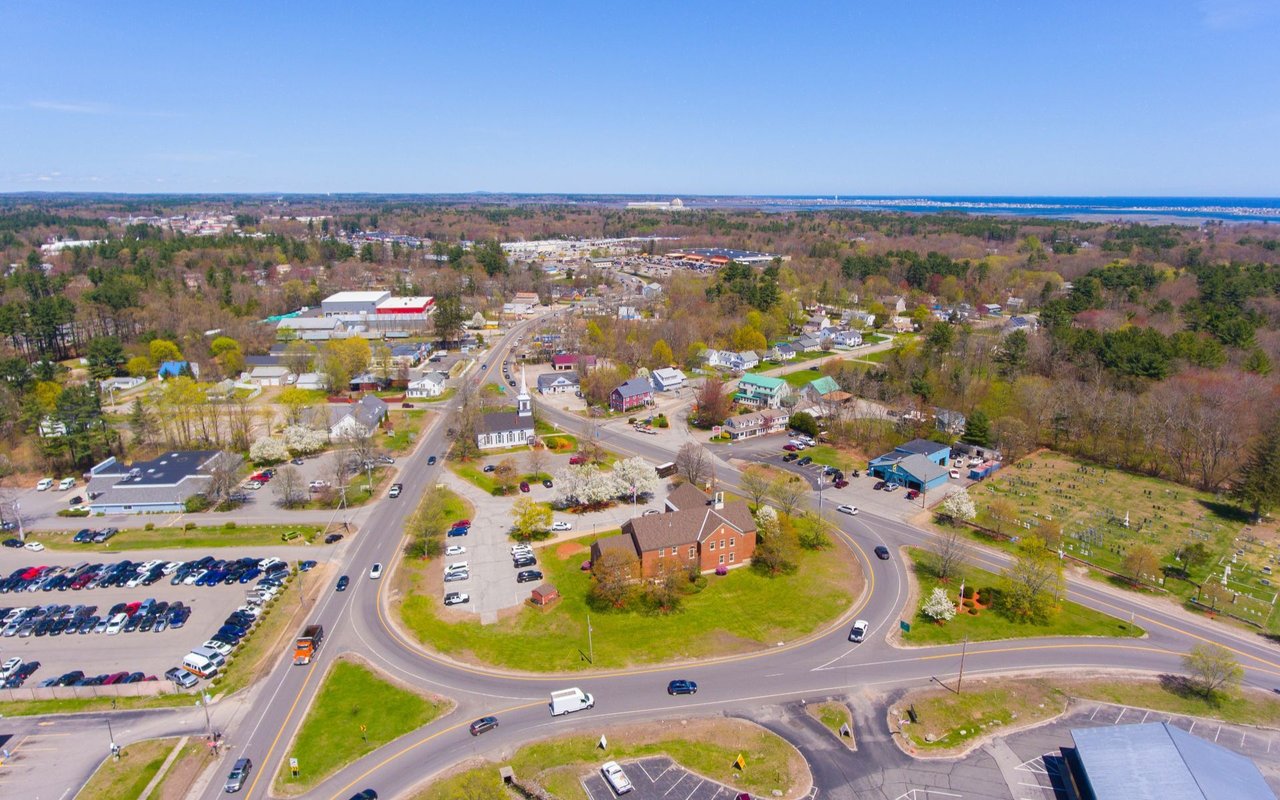
League City is the anchor of the Houston Bay Area, sitting primarily in northern Galveston County with a thin sliver crossing into Harris County. It's the rare Texas suburb that manages to feel both coastal and grounded—bordered by Clear Lake to the north and Galveston Bay to the east, yet close enough to Houston's largest employment centers to function as a true commuter base. The population has pushed past 115,000, but the place still carries a recognizable community rhythm built around the school calendar, youth sports, and weekends spent on the water.
The buyers who gravitate here tend to share a profile: families chasing a top-rated school district, professionals working at NASA's Johnson Space Center, the Texas Medical Center, or the petrochemical corridor around the Port of Houston, and boating enthusiasts drawn to one of the largest concentrations of pleasure craft in the country. If you want walkable, urban, and fast-paced, this isn't it. If you want space, water access, strong schools, and a manageable commute, League City has been quietly delivering exactly that for two decades.
After the aggressive run-ups of the early 2020s, the League City market has settled into something far more predictable—a balanced, stabilizing landscape rather than the frantic seller's market many buyers remember. The median listing price now hovers around $413,000 to $415,000, while homes actually close between roughly $378,000 and $395,000. Year-over-year movement has flattened into minor fluctuations, anywhere from a slight 1.4% dip to modest single-digit gains depending on the neighborhood, which signals a healthy plateau rather than a market in retreat.
The most meaningful shift for buyers is the return of negotiating room. The median sale-to-list ratio sits near 98%, and close to 64–65% of homes are now selling for under their original asking price. The bidding-war era has largely faded, and buyers can again negotiate on price, closing costs, or repairs without losing a home over a single weekend. Homes typically go pending in 25 to 38 days and spend roughly 35 to 45 days on the market overall.
What's important to understand is that League City is not one market but many. Pricing diverges sharply by micro-neighborhood:
| Neighborhood | Median Price | Position in Market |
|---|---|---|
| South Shore Marina | $575,000 | Premium / waterfront |
| Hidden Lakes | $532,500 | Premium master-planned |
| Westover Park | $419,950 | At city average |
| Bay Colony Pointe | $274,500 | Accessible entry point |
Looking ahead, the fundamentals supporting League City are durable. Its coastal lifestyle, proximity to three major employment hubs, and the highly rated Clear Creek Independent School District keep demand steady. The reasonable expectation is incremental, long-term appreciation rather than the volatile swings of the past few years.
New construction is a major engine of the local market, not a sideshow. As open land in the older northern Bay Area runs scarce, developers have pushed master-planned communities into the southern and western pockets of the city, and the result is an unusually wide spread of builders and price points.
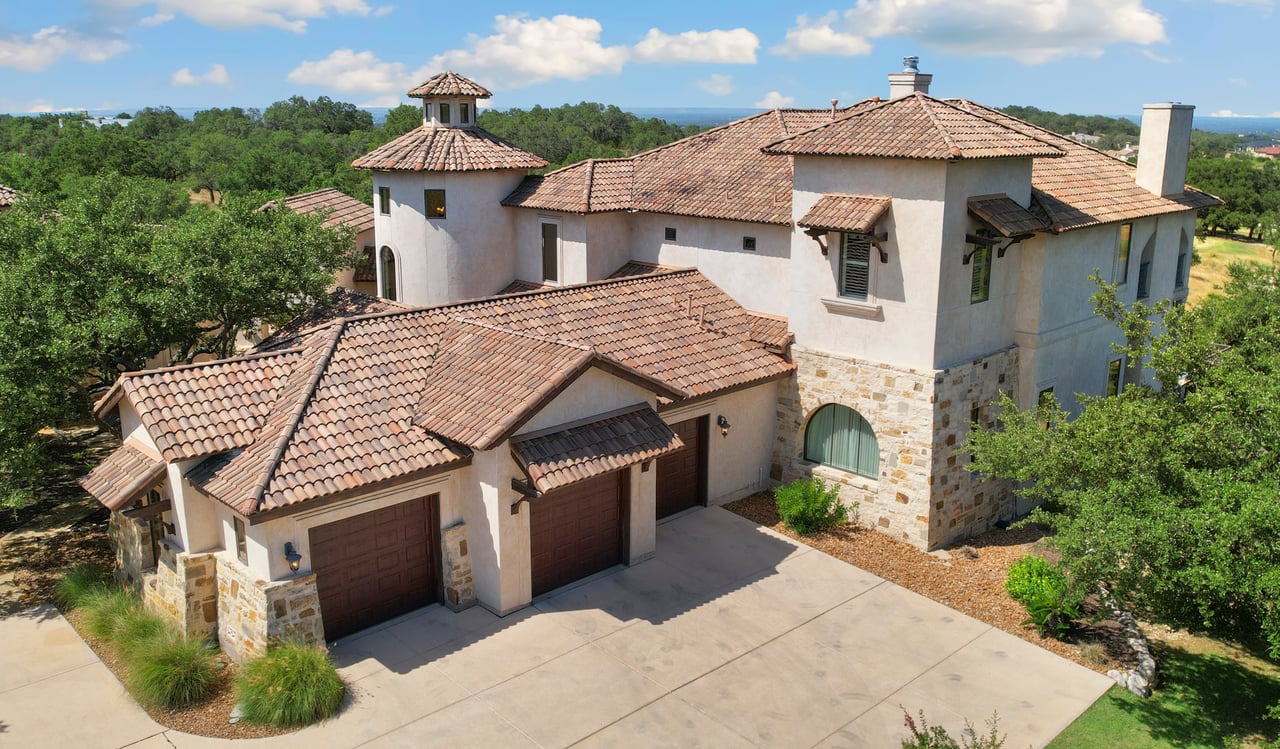
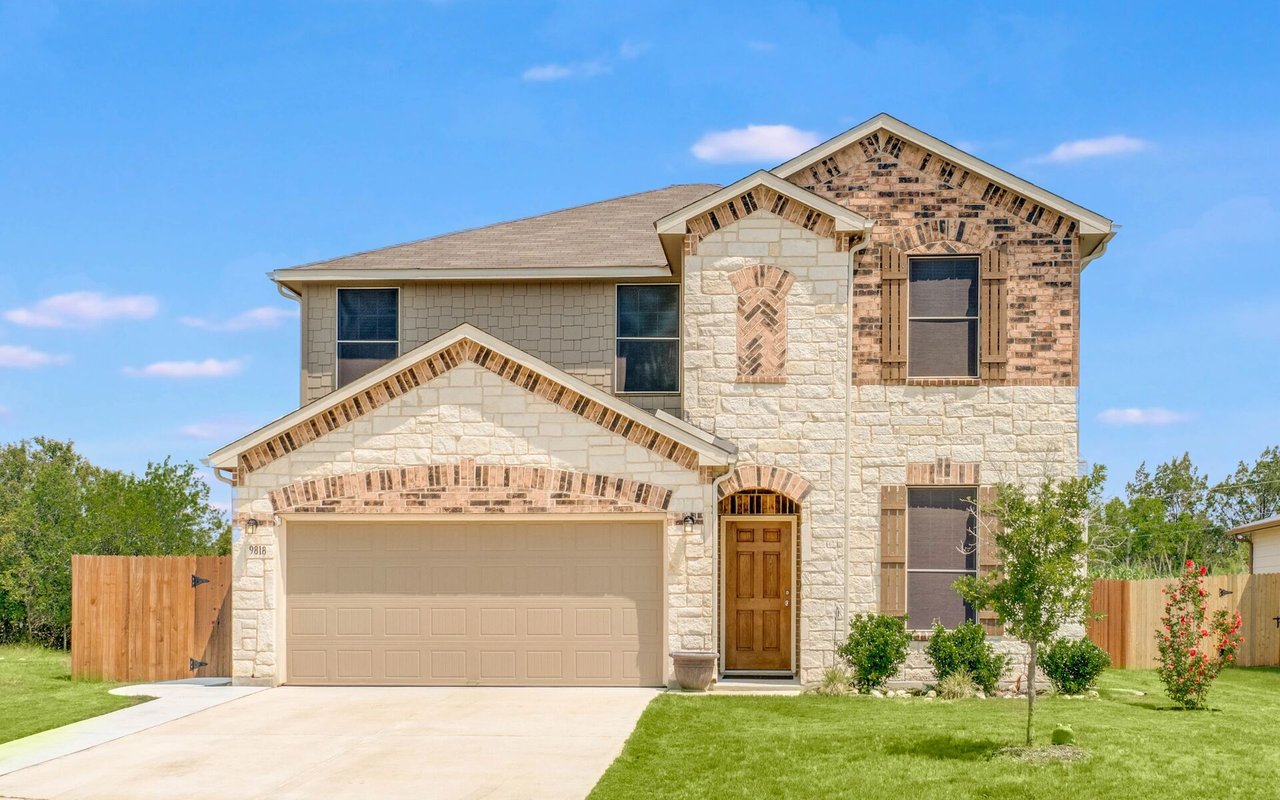
At the volume and value end, Lennar and D.R. Horton carry the largest inventory footprint, with entry-level builds typically starting in the low-to-mid $300s—often the most efficient path for first-time buyers wanting modern layouts. Step up into the mid-tier and you'll find K. Hovnanian, Ashton Woods, Coventry Homes, and David Weekley Homes offering more structural personalization and design-forward finishes, generally from the low $400s into the high $500s. Westland Ranch is a good example of where this tier is actively building. At the premium end, Perry Homes, Westin Homes, Shea Homes, and Highland Homes build larger lots and semi-custom elevations; in upscale developments like Legacy, pricing routinely starts in the $600s and climbs past $750,000 for 3,000-plus square foot plans with three-car garages.
What buyers consistently get with new construction here goes beyond the house itself. Most communities arrive as full lifestyle packages—resort-style pools, splash pads, paved nature trails, pocket parks, and built-in lakes or water features. Energy efficiency is standard across nearly every build, with Energy Star ratings, advanced insulation, and smart-home frameworks, and some premium builders are bundling storm-resilience extras like whole-home backup generators to appeal to coastal Texas buyers.
One pattern worth understanding before you tour models: builders here tend to protect their base prices and compete on financing instead. Rather than cutting the sticker, many use in-house mortgage companies to offer permanent rate buy-downs, design-center credits, or covered closing costs. The heaviest incentives almost always land on quick move-in spec homes—so if you're flexible on finishes and color palettes, that flexibility is where the real savings live.
The purchase process in League City reflects its balanced-to-mildly-favorable position for sellers, with real breathing room for buyers. Multiple-offer situations still happen, but they're now mostly limited to pristine, sharply priced single-family homes in the most sought-after school zones. For most listings, buyers have time—homes commonly take 25 to 48 days to go pending—and the closing data backs up that leverage: homes typically settle at 97.5% to 98.5% of original list, with more than 64% closing below it. Asking for a price adjustment or financial concession is a normal, expected part of the conversation here, not an aggressive move.
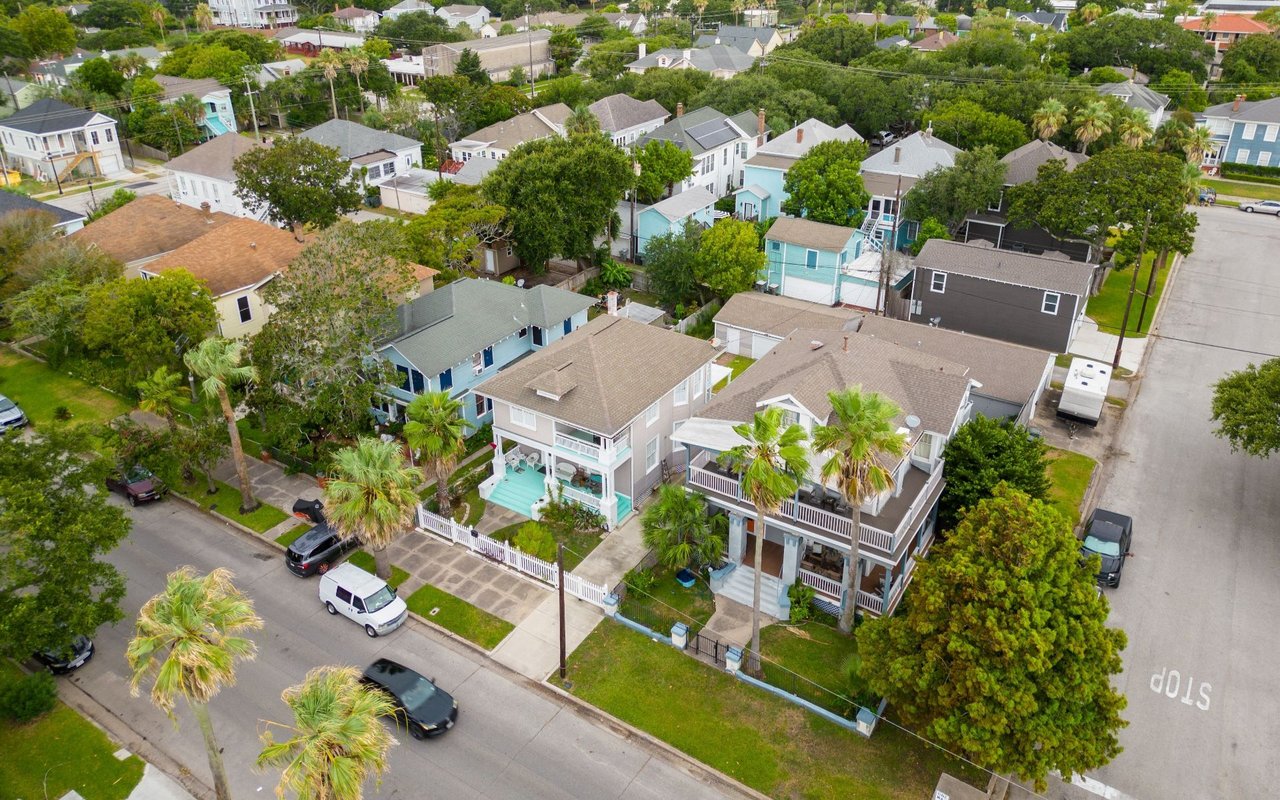
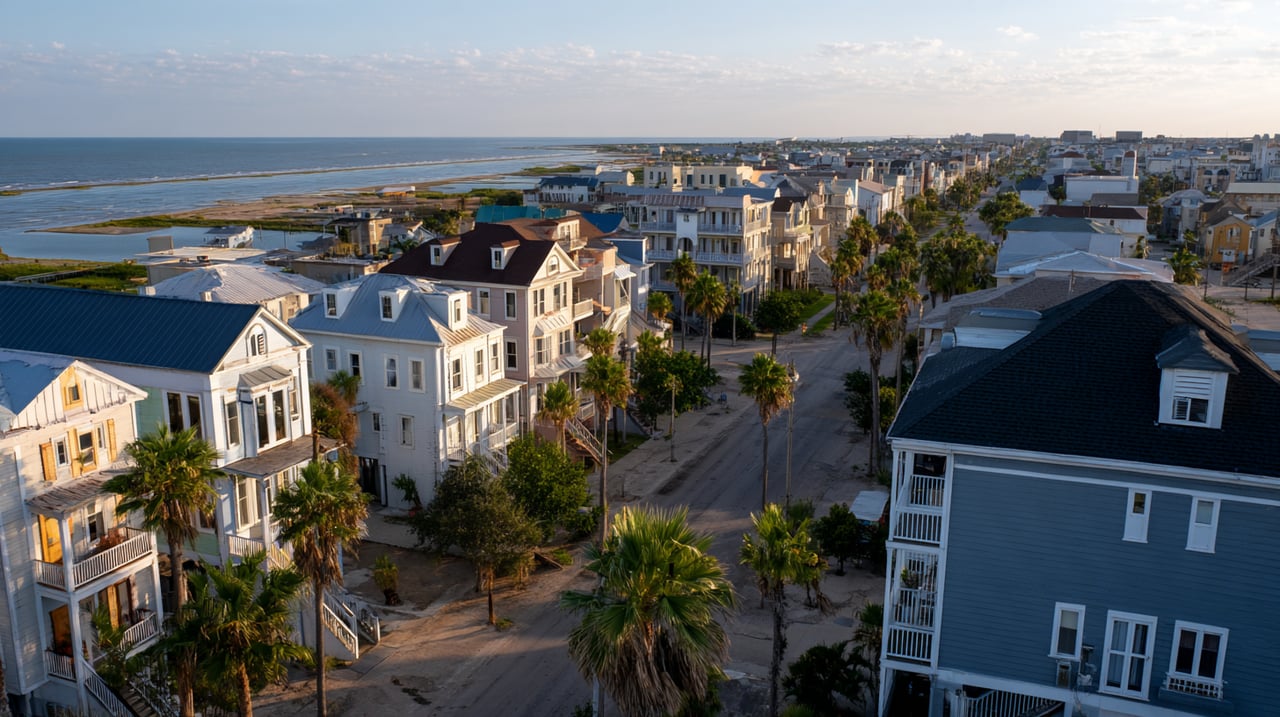
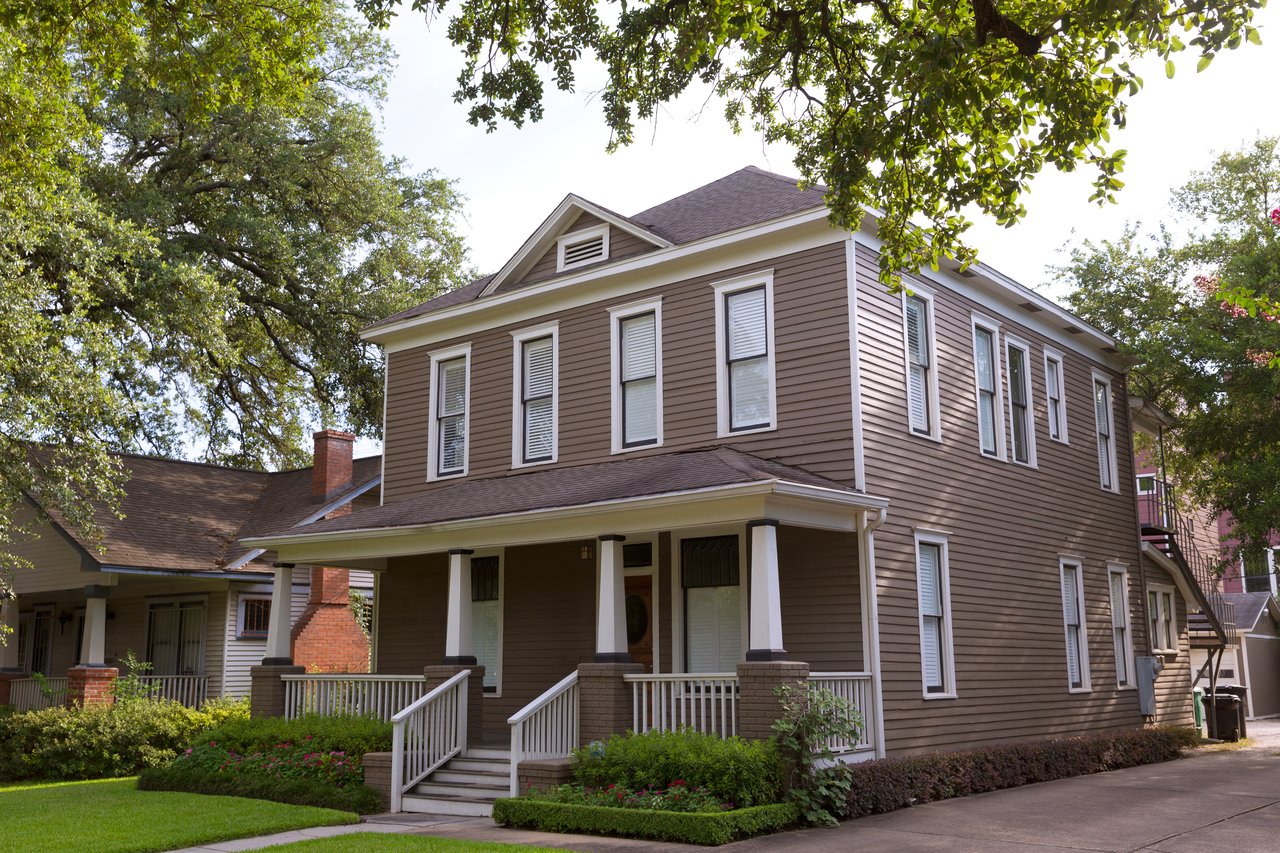
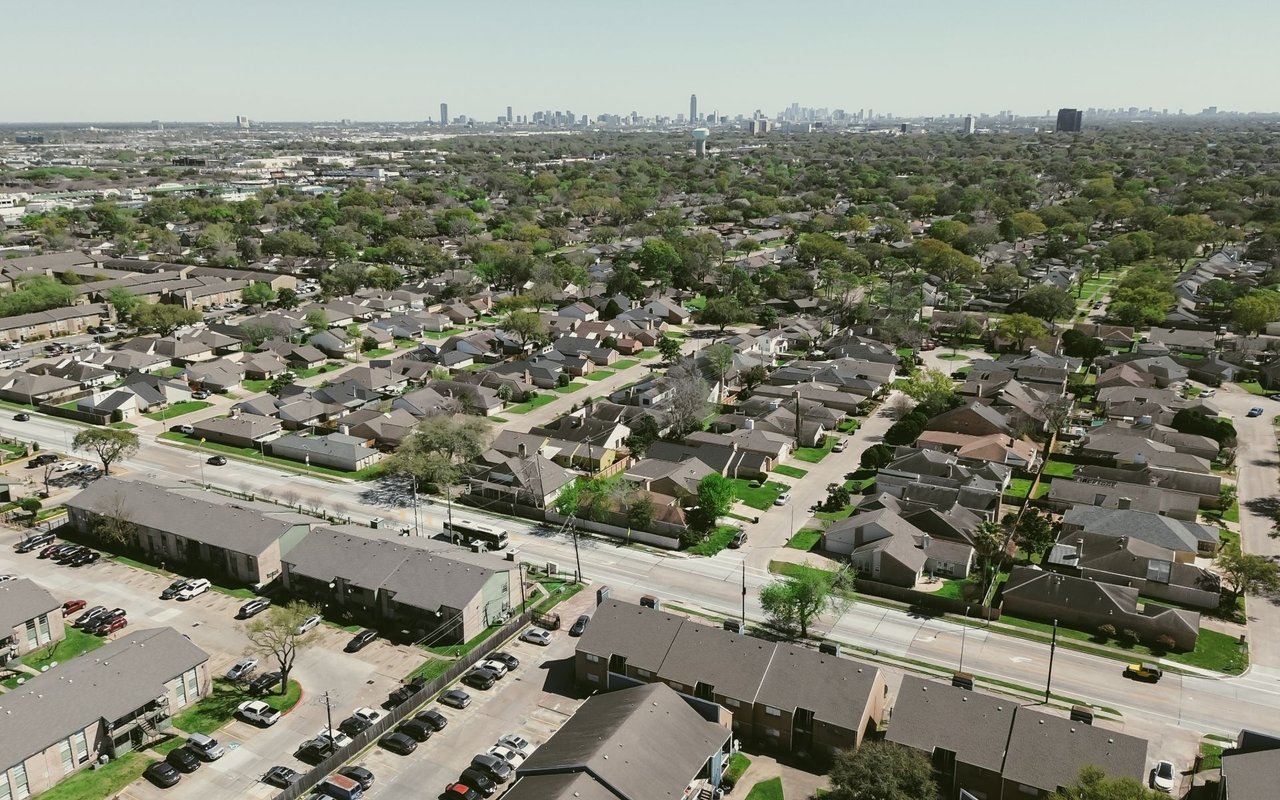
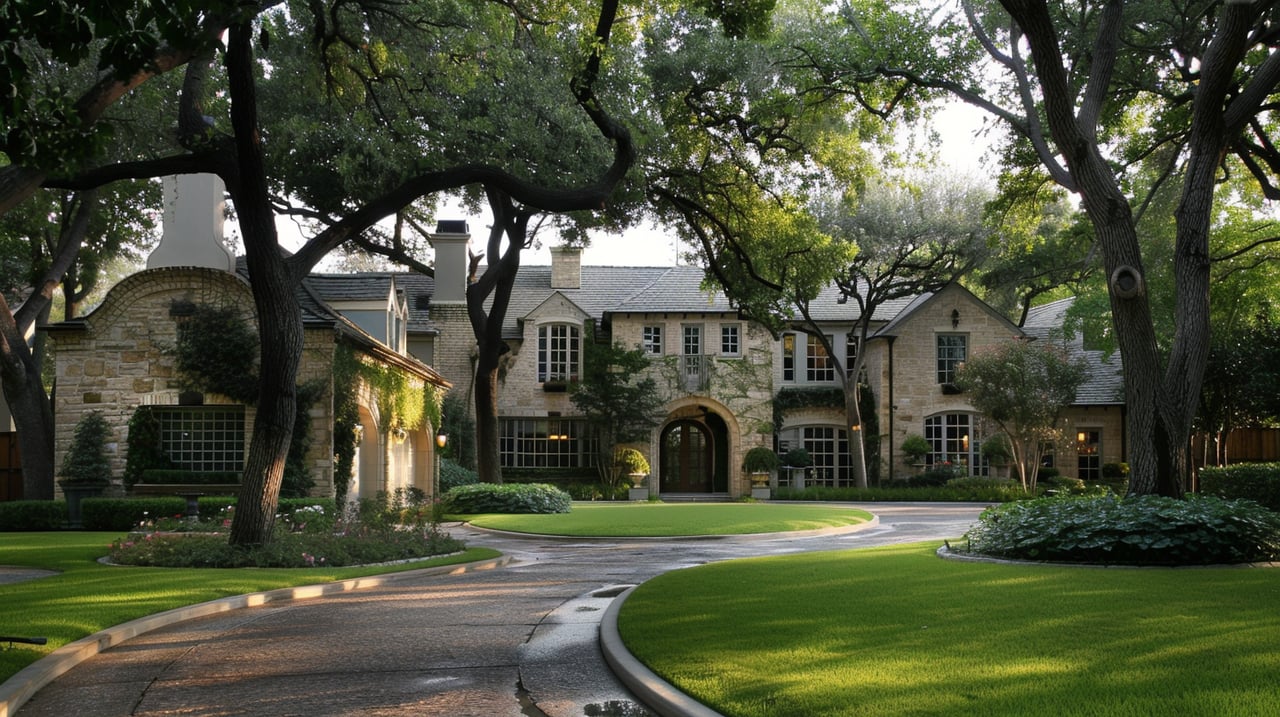
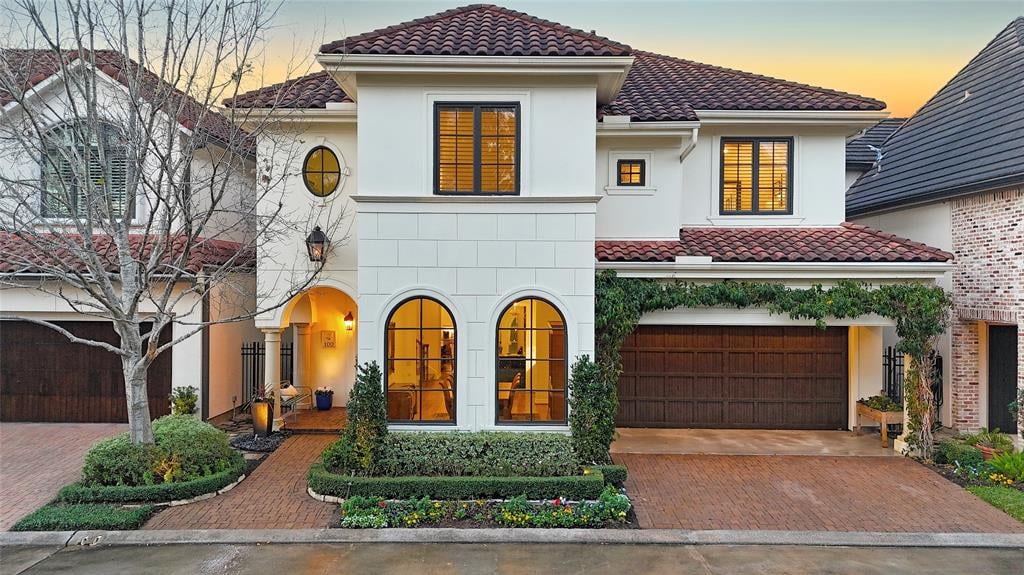
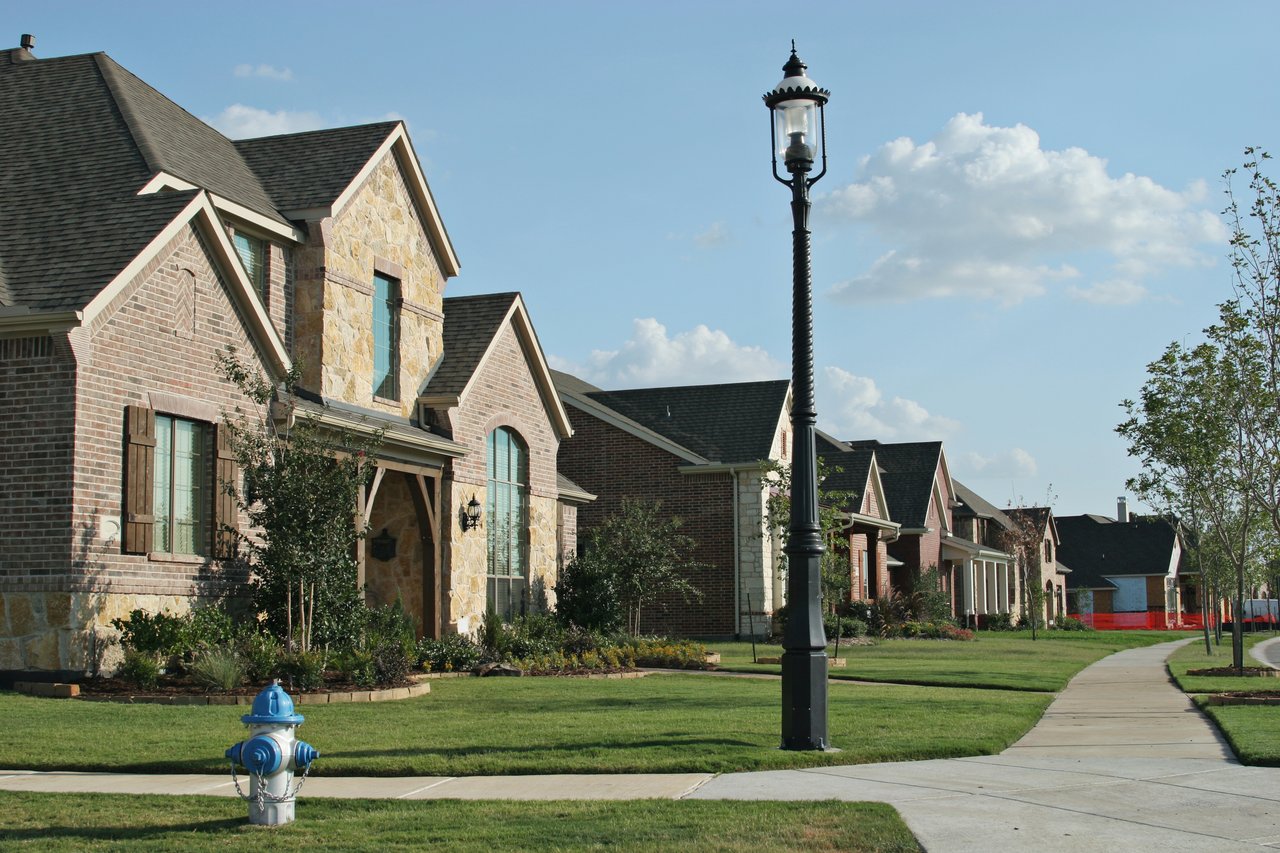
The housing stock is dominated by the suburban brick-and-stone single-family home. You'll mostly encounter master-planned tract homes built from the early 2000s onward—open floor plans, two- or three-car garages, manicured yards—alongside two narrower categories: waterfront and luxury estates clustered around the South Shore Harbour marina and the pockets flanking Clear Lake, often with deep-water boat slips and private docks, and a smaller set of low-maintenance townhomes and patio homes near golf courses and marina inlets that appeal to downsizers and professionals who want zero yard work.
Because this is the Gulf Coast, local contracts carry protective layers that out-of-state buyers don't always anticipate. The Texas option period (or termination option) lets a buyer pay a small fee, usually $100–$300, for an unrestricted 5-to-7-day right to walk away—and savvy buyers use that window hard, especially for inspections. Two inspection items deserve real attention: foundations, because the region's expansive clay soils cause meaningful slab movement, and HVAC, because a failure on a large multi-zone system in this heat and humidity can be a $10,000-plus surprise. Standard 21-day financing and appraisal contingencies apply, and in this balanced market a low appraisal frequently becomes leverage to negotiate the price down.
A handful of hyper-local factors separate an informed League City buyer from one who gets blindsided after closing. These are the things worth understanding before you write an offer.
Flood zones and Risk Rating 2.0. Don't assume a home is dry just because an old paper map places it outside a mandatory flood zone. League City is bounded by Clear Creek to the north and Dickinson Bayou to the south, and it took serious damage during Hurricane Harvey. FEMA's Risk Rating 2.0 now prices flood insurance on property-specific factors—foundation height, distance to water, surge vulnerability—rather than broad zone lines. If a home sits in a Special Flood Hazard Area (Zones AE or VE) and you're using a government-backed mortgage, flood coverage is legally required; in Zone X it's optional but strongly advised. The good news: League City participates in FEMA's Community Rating System as a Class 5 community, which earns homeowners a 25% discount on NFIP policies inside high-risk zones and 10% outside them.
MUD and PID taxes. Texas has no state income tax, but it makes up for it in property taxes—and your effective rate in League City can swing dramatically depending on whether the home sits inside a Municipal Utility District or Public Improvement District. These districts fund the infrastructure of newer master-planned communities like Tuscan Lakes, Mar Bella, and Westland Ranch, and they can add anywhere from $0.50 to more than $1.20 per $100 of assessed value to your annual bill. In practice, an older home in an established neighborhood might carry a total effective rate of 2.0% to 2.3%, while a brand-new home in a developing PID can climb to 3.2% to 3.6%. On a $400,000 home, that gap is thousands of dollars a year flowing through your escrow—always ask for the total effective rate, not just the listing's headline tax figure.
HOAs and windstorm coverage. Most League City residents live under powerful homeowners associations with detailed deed restrictions governing everything from paint colors to how long trash cans can sit at the curb—and parking a boat or RV in the driveway is widely banned. Read the CC&Rs during your option period to be sure the rules fit how you actually live. Separately, because Galveston County is a coastal county, standard homeowners policies routinely exclude wind and hail, so you'll likely need a separate windstorm policy, often through the Texas Windstorm Insurance Association (TWIA). To qualify, roof work and certain modifications need a WPI-8 certificate of compliance proving the home meets coastal windstorm codes—ask the seller to produce those certificates before you close.
Relocating here means landing in the heart of the Houston Bay Area, with the economic pull of the nation's fourth-largest metro on one side and the Gulf on the other. The culture is defined by water, space, and family life, and despite rapid growth it still feels like a place where neighbors know each other.
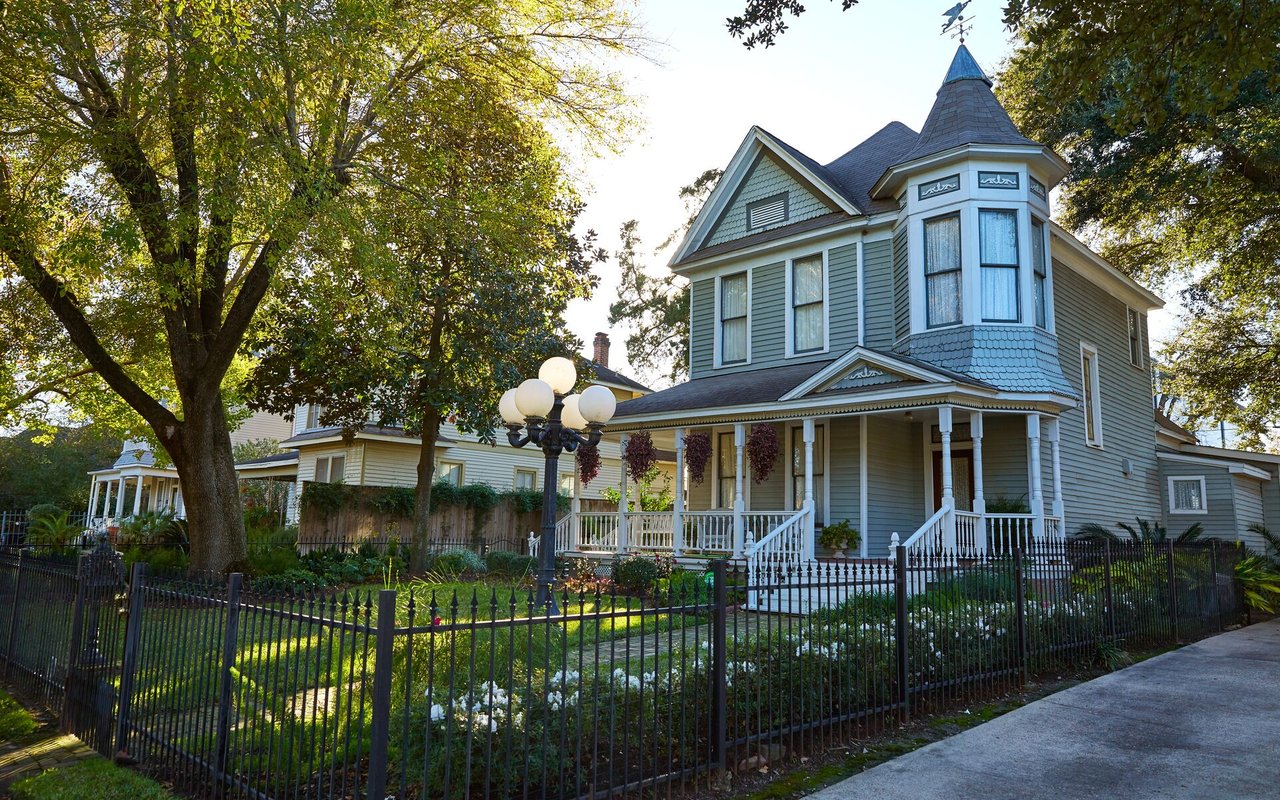
Most newcomers end up choosing among three distinct geographic zones. The Historic District, centered on the Magnolia Bayou area, offers quiet streets under century-old live oaks, turn-of-the-century architecture, and boutique shopping in the city's most walkable pocket. The master-planned West Side, west of Interstate 45, is where you'll find sprawling modern subdivisions like Westover Park and Westland Ranch, with highly ranked on-site elementary schools and large amenity centers. The coastal East Side, east of Highway 3, is home to South Shore Harbour, Mar Bella, and Tuscan Lakes—resort-style living with marina access and a quick hop to the Kemah Boardwalk.
For families, the single biggest draw is Clear Creek ISD, which consistently ranks among the top large districts in Texas and leans heavily into STEM, a natural byproduct of sitting in NASA's backyard. For many buyers, the school zone drives the home search as much as the home itself.
If a car-free lifestyle is your goal, League City will require adjustment. The city's Walk Score averages somewhere between 20 and 25, meaning nearly all daily errands involve driving. The one real exception is the Historic Downtown District around Main Street, where you can park once and stroll between coffee shops, parks, and small eateries under a heavy oak canopy. Beyond that, walkability mostly lives inside the master-planned communities—neighborhoods like Tuscan Lakes and Mar Bella have miles of internal paved trails for walking, jogging, and cycling—but moving between subdivisions or out to commercial centers on foot or bike is genuinely difficult given the high-speed arterial roads.
There's no commuter rail or comprehensive local transit linking Galveston County to downtown Houston, so a personal vehicle is non-negotiable. Interstate 45 is the spine of the region, and commute times vary widely with traffic:
| Destination | Distance | Peak Commute |
|---|---|---|
| NASA Johnson Space Center | ~5 miles | 10–15 min |
| Port of Houston / Pasadena | ~20 miles | 25–40 min |
| Galveston Island | ~25 miles | 25–35 min |
| Downtown Houston | ~27 miles | 45–75 min |
| Texas Medical Center | ~30 miles | 50–80 min |
Locals manage the gridlock with a few strategies. The I-45 HOV/HOT lanes extend down into the Clear Lake area just north of the city, letting carpoolers and toll-payers bypass the worst delays into downtown. And many residents skip the freeway entirely for north-south local trips by using Highway 3, which runs parallel to I-45, or State Highway 146 on the east side toward the industrial hubs of La Porte and Baytown.
For family buyers, education is arguably the single largest driver of real estate demand here, and it's worth treating as a primary search criterion. The vast majority of the city is served by Clear Creek Independent School District (CCISD), which consistently ranks among the top-performing large districts in Texas. A small pocket on the far western edge falls into Dickinson ISD instead, so always confirm the exact zoning for any address.
CCISD is known for strong academic performance, a STEM curriculum fueled by its NASA proximity, and deep extracurriculars. At the elementary level, families specifically target homes zoned to Clear Creek Elementary, Mossman Elementary, and Goforth Elementary. Bayside Intermediate and Clear Creek Intermediate are well regarded for bridging into advanced tracks, and the district is anchored at the top by Clear Creek High School, the historic flagship, and Clear Falls High School—both with strong graduation rates, extensive AP catalogs, and competitive 6A athletics.
One feature unique to the eastern side of the city is the CCISD Education Village near Mar Bella and Tuscan Lakes. This 144-acre campus clusters Mossman Elementary, Bayside Intermediate, and Clear Falls High School into a single interconnected layout, letting kids progress from kindergarten through 12th grade on the same property and dramatically simplifying morning drop-offs for parents juggling multiple ages.
Outdoor access is woven into daily life here, and the public park system leans into the region's bayous and coastal geography. The standout is Walter Hall Park, a 135-acre county park on Clear Creek with a public boat launch, fishing piers, tennis courts, a banquet hall, and shaded picnic areas under massive live oaks. On the west side, Lynn Gripon Park at Countryside serves the active crowd with a popular dog park, basketball and volleyball courts, and a trailhead feeding miles of paved bayou trails.
In the Historic District, League Park and Heritage Park offer a more traditional, manicured feel—playgrounds, a gazebo, and the setting for seasonal festivals and farmers markets. And for paddlers, the dedicated Clear Creek Paddle Trail lets kayakers and paddleboarders launch from local parks and explore miles of calm, wildlife-rich waterways. For a lot of buyers, that water access isn't a perk—it's the whole reason they chose League City.
The food and social scene mirrors the city's geography: coastal, casual, and built for winding down rather than going out hard. Life on the water shapes the local palate, so dining frequently means open-air decks, waterfront views, and fresh Gulf shrimp, oysters, and redfish—especially along the marinas and just over the line in Kemah, where the vibe is unapologetically flip-flop casual. Away from the water, the suburban corridors deliver a dense lineup of quality Tex-Mex institutions and Texas barbecue joints that function as neighborhood living rooms, packed on Friday nights with families and youth sports teams over margaritas and fajitas.
Nightlife is deliberately low-key. You won't find high-concept clubs or velvet ropes; the evening scene runs on local craft breweries, wine bars tucked into the historic district, and sports grilles with live acoustic music on the patio. It's entertainment built for conversation and the evening breeze off the bay—an honest signal of the lifestyle this area attracts.
If you distilled League City to a single phrase, it would be "suburban coastal-comfort." The core energy is quiet and family-centered—organized neighborhoods, immaculate lawns, a calendar set by the school year, Friday night lights, and weekend tournaments. It's a place engineered for stability and an unhurried daily pace.
Layered over that suburban base is a genuinely water-obsessed subculture. Boating, fishing, and kayaking aren't occasional hobbies here; owning a boat or jet ski and spending Saturdays on Clear Lake or Galveston Bay is a defining lifestyle marker for a large share of residents. And because the city sits between NASA, the Texas Medical Center, and the Port of Houston's petrochemical corridor, the demographic skews toward engineers, aerospace professionals, medical staff, and industrial specialists. That gives the community a grounded, practical, highly educated undertone—a town where a backyard conversation is as likely to drift toward orbital mechanics as local politics.
Navigating League City well takes more than a listing search—it takes someone who understands flood-zone nuance, MUD and PID tax math, windstorm requirements, and which school zone genuinely fits your family. That's where Spagnola Realty Group comes in. Led by Caroline Spagnola, a rising Top Producing Texas real estate agent with an Accredited Luxury Home Specialist designation and seven years of direct experience across Galveston and the greater Houston market, the team brings deep local knowledge to both first-time buyers and high-end waterfront clients.
Caroline is an investment property owner herself and works alongside civil engineers, architects, and land surveyors to vet quality on both residential and commercial properties—the kind of comprehensive, detail-driven approach clients consistently single out in their reviews. Whether you're relocating from out of town, weighing new construction, or selling a waterfront home, reach out to Spagnola Realty Group to start a conversation built around your goals, not a transaction.
114,885 people live in League City, where the median age is 37.7 and the average individual income is $52,344. Data provided by the U.S. Census Bureau.
Total Population
Median Age
Population Density Population Density This is the number of people per square mile in a neighborhood.
Average individual Income
There's plenty to do around League City, including shopping, dining, nightlife, parks, and more. Data provided by Walk Score and Yelp.
Explore popular things to do in the area, including Smart Choice Food Mart, Grocery Services, and African Giant Market.
| Name | Category | Distance | Reviews |
Ratings by
Yelp
|
|---|---|---|---|---|
| Dining · $$ | 0.08 miles | 4 reviews | 1/5 stars | |
| Dining | 0.55 miles | 0 reviews | 0/5 stars | |
| Dining | 1.1 miles | 0 reviews | 0/5 stars | |
| Shopping | 0.02 miles | 0 reviews | 0/5 stars | |
| Active | 1.09 miles | 0 reviews | 0/5 stars | |
| Active | 1.17 miles | 0 reviews | 0/5 stars | |
| Active | 1.36 miles | 0 reviews | 0/5 stars | |
| Active | 1.49 miles | 0 reviews | 0/5 stars | |
| Active | 1.56 miles | 0 reviews | 0/5 stars | |
| Active | 1.58 miles | 0 reviews | 0/5 stars | |
| Nightlife | 1.64 miles | 0 reviews | 0/5 stars | |
| Beauty | 0.32 miles | 0 reviews | 0/5 stars | |
| Beauty | 0.37 miles | 0 reviews | 0/5 stars | |
| Beauty | 0.37 miles | 0 reviews | 0/5 stars | |
| Beauty | 1.06 miles | 0 reviews | 0/5 stars | |
| Beauty | 1.08 miles | 0 reviews | 0/5 stars | |
| Beauty | 1.09 miles | 0 reviews | 0/5 stars | |
| Beauty | 1.11 miles | 0 reviews | 0/5 stars | |
| Beauty | 1.17 miles | 0 reviews | 0/5 stars | |
| Beauty | 1.29 miles | 0 reviews | 0/5 stars | |
| Beauty | 1.33 miles | 0 reviews | 0/5 stars | |
| Beauty | 1.35 miles | 4 reviews | 4.5/5 stars | |
| Beauty | 1.43 miles | 0 reviews | 0/5 stars | |
| Beauty | 1.55 miles | 2 reviews | 3.5/5 stars | |
|
|
||||
|
|
||||
|
|
||||
|
|
||||
|
|
||||
|
|
League City has 42,827 households, with an average household size of 2.67. Data provided by the U.S. Census Bureau. Here’s what the people living in League City do for work — and how long it takes them to get there. Data provided by the U.S. Census Bureau. 114,885 people call League City home. The population density is 2,241 and the largest age group is Data provided by the U.S. Census Bureau.
Total Population
Population Density Population Density This is the number of people per square mile in a neighborhood.
Median Age
Men vs Women
Population by Age Group
0-9 Years
10-17 Years
18-24 Years
25-64 Years
65-74 Years
75+ Years
Education Level
Total Households
Average Household Size
Average individual Income
Households with Children
With Children:
Without Children:
Marital Status
Blue vs White Collar Workers
Blue Collar:
White Collar:
Whether buying or selling, we're here to guide you. Connect with Spagnola Realty Group today to discover how we can make your real estate experience seamless and rewarding.