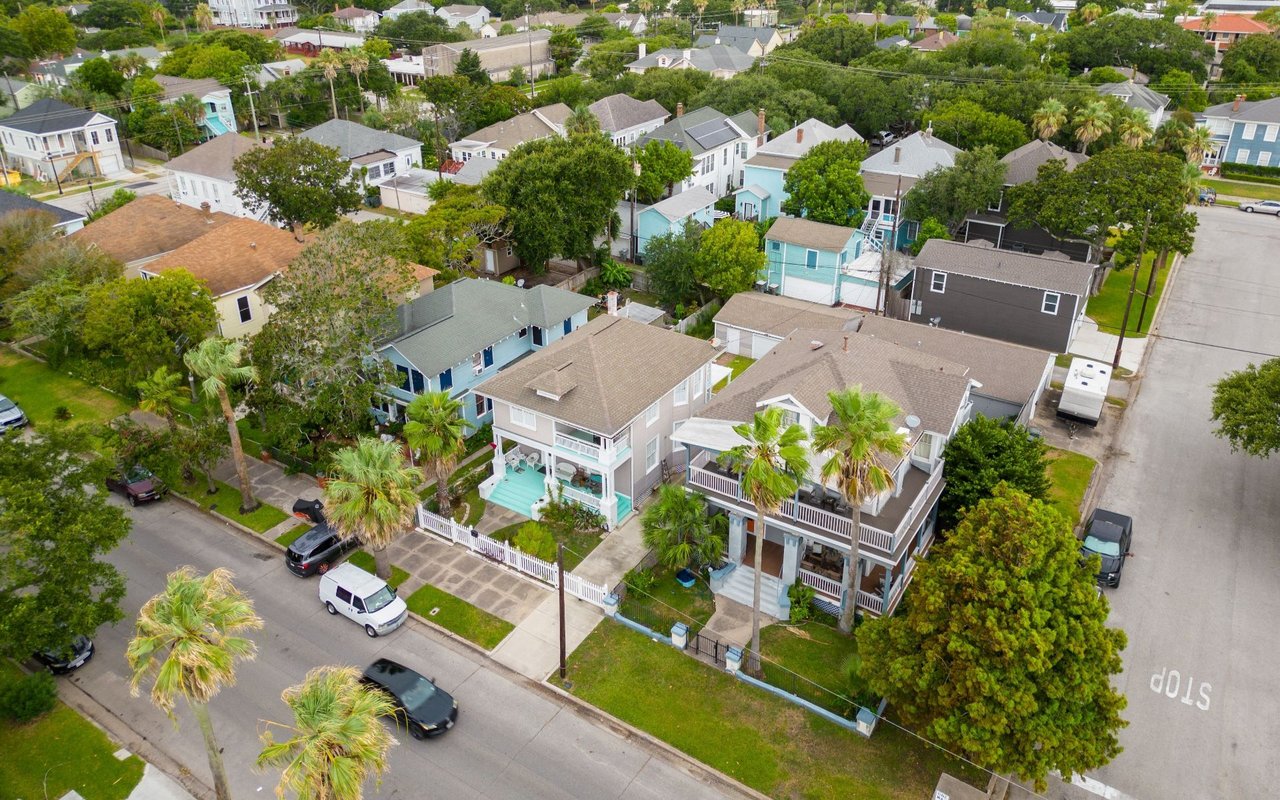
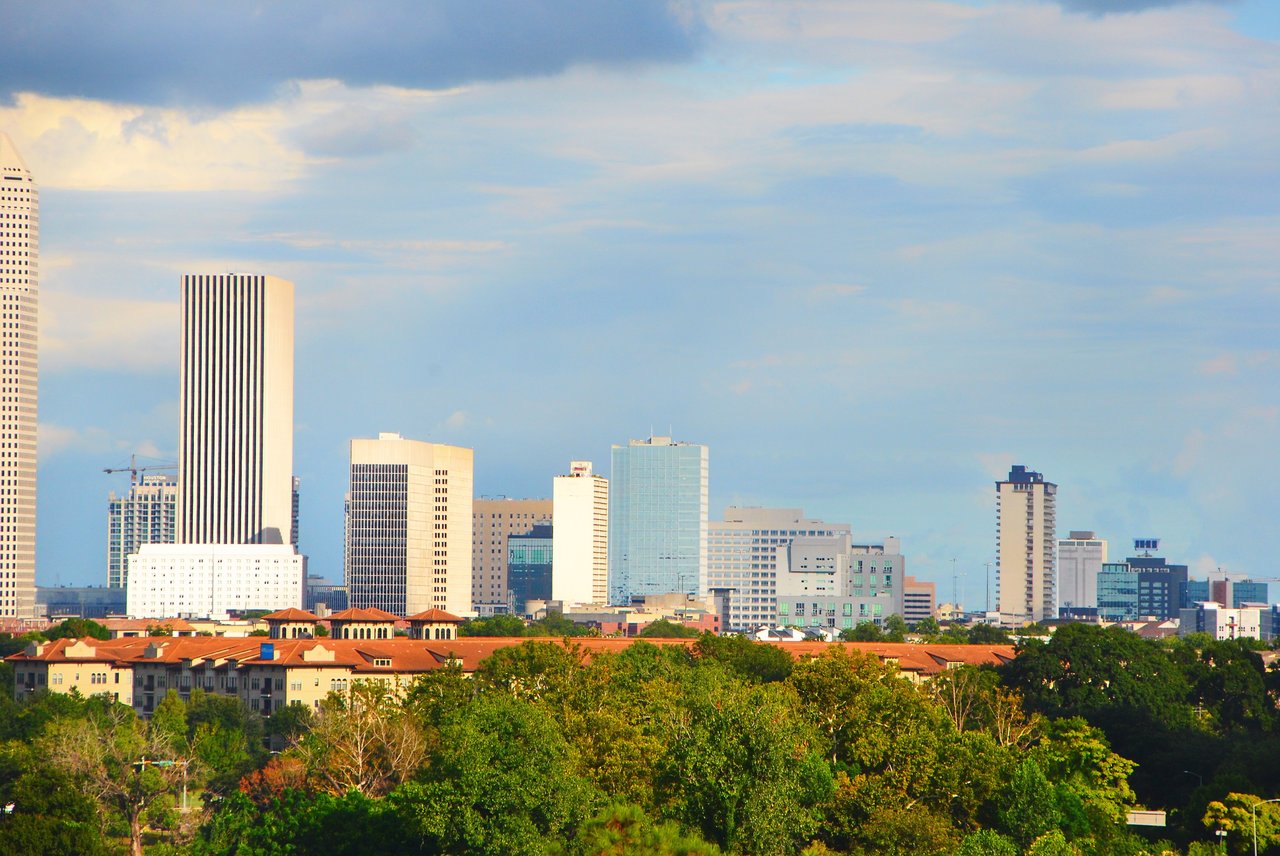
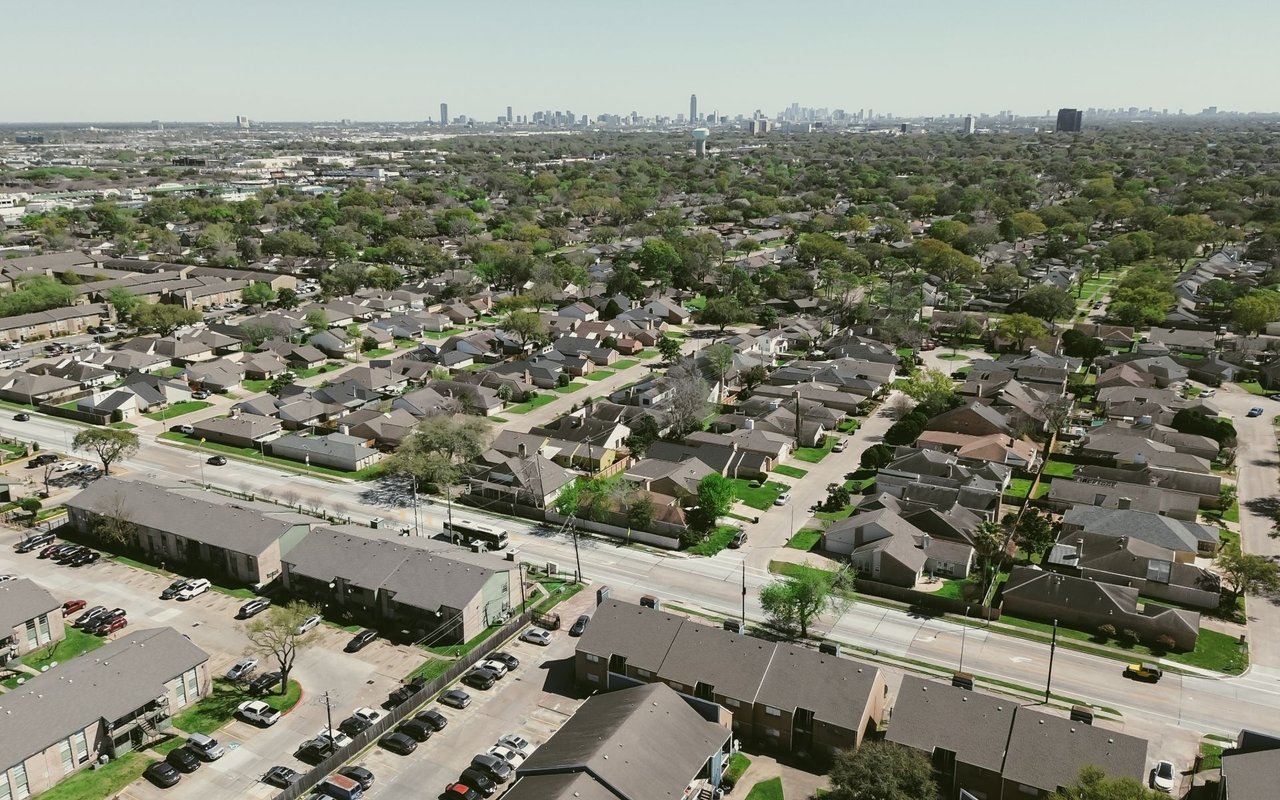
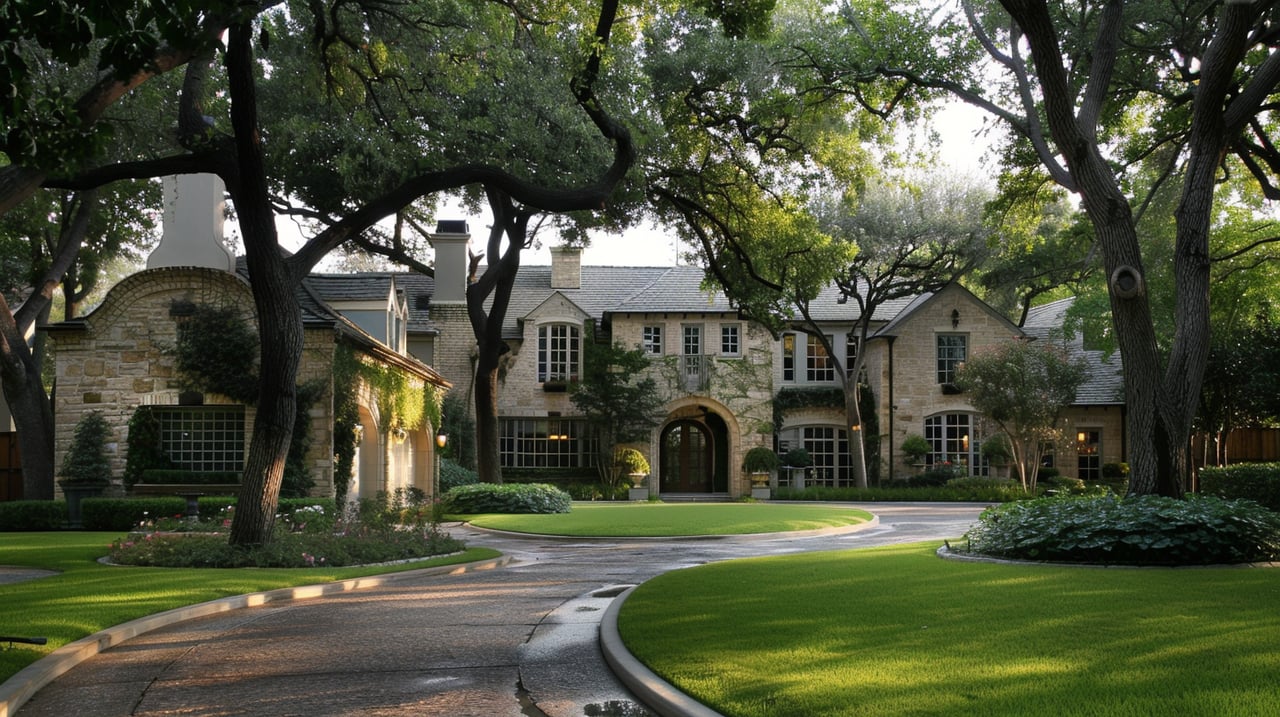
The Heights is what happens when a 19th-century streetcar suburb refuses to surrender its character to a city famous for tearing things down. Founded in the 1890s as an elevated retreat from downtown Houston's summer heat, it sits on a natural ridge northwest of the central business district, just inside the 610 Loop. That elevation gave the neighborhood its name, and the founders' insistence on wide boulevards, deep lots, and front porches gave it a physical structure that still shapes daily life here.
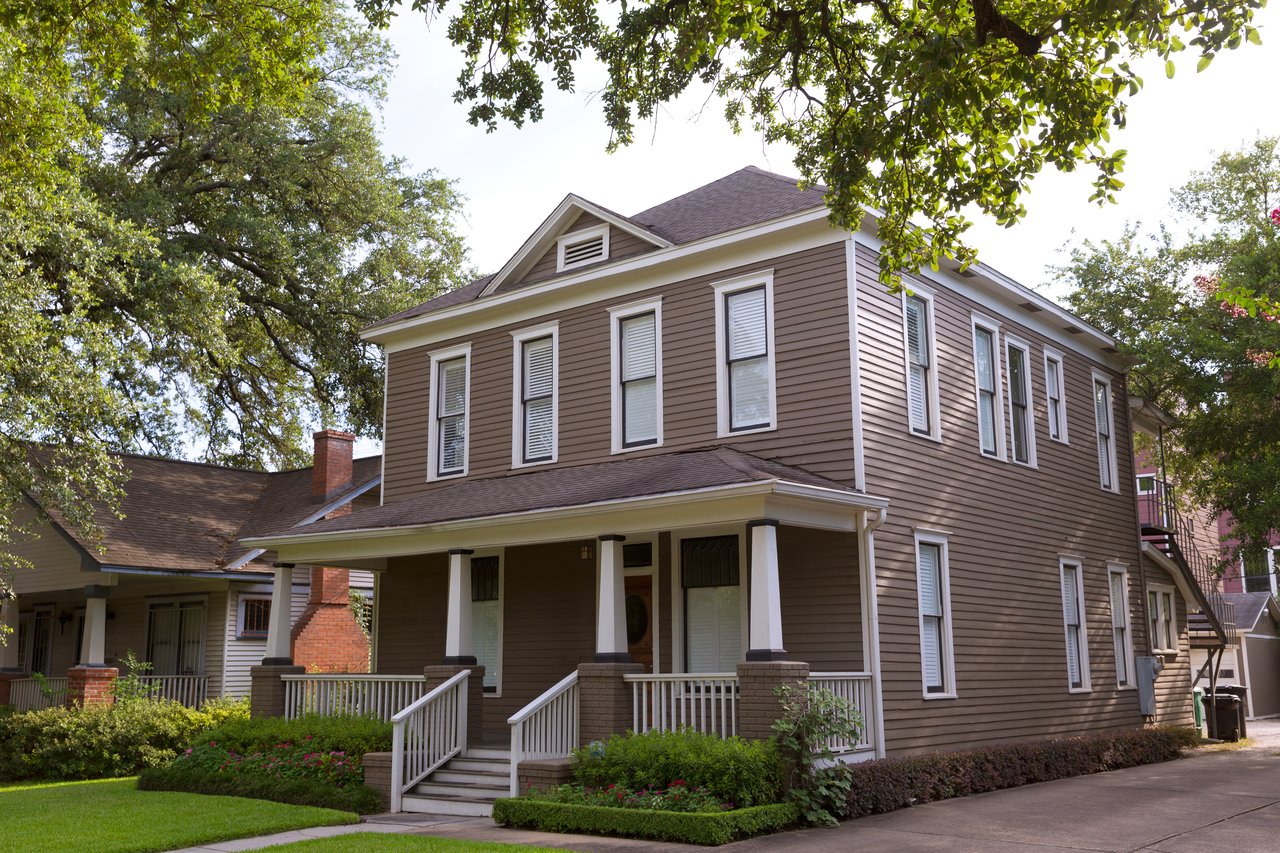
This is an inner-loop neighborhood that reads like a small town. Tree-lined streets, historic bungalows and Victorians, an independent retail strip on 19th Street, and one of the densest concentrations of chef-driven restaurants in the city. It draws a specific kind of Houstonian: young professionals in tech and medicine, creative entrepreneurs, and families who want walkability and architectural character but refuse to trade the inner loop for a master-planned suburb. People who land here tend to value identity over flash, and the community guards that identity fiercely.
One important orientation point: locals say "The Heights" as shorthand, but the area is actually a patchwork of micro-neighborhoods, each with its own personality and its own rules. Understanding those distinctions is the difference between buying the home you think you're buying and being surprised at closing.
The Heights has long been one of Houston's most resilient submarkets, largely insulated from the swings that hit outer-ring suburbs. After the frenetic bidding-war climate of the early 2020s, the market has settled into a steadier stabilization phase rather than a decline.
The current median sales price floats around $675,000. That represents a plateau against the peaks of recent years, but it still commands a substantial premium over Houston's citywide median of roughly $340,000 — a gap that tells you most of what you need to know about how the market values this address.
A few signals define where things stand and where they're heading. Inventory is moving more slowly than it did at the peak, with average days on market edging up to roughly 38 to 45 days. That shift gives buyers something they didn't have a few years ago: room to evaluate a listing without being forced into a same-day decision. At the same time, sellers are holding their value well, maintaining a sale-to-list ratio in the 97% to 98% range. The lesson cuts both ways. Realistically priced homes hold firm, while homes that test the market too aggressively tend to see price drops.
There is also a separate pricing universe within the neighborhood. The authentic, strictly regulated historic districts — Houston Heights South in particular — operate under entirely different logic, with properties routinely crossing the $1.4M threshold. Restricted inventory and stringent preservation requirements make these blocks behave less like a typical resale market and more like a market for scarce, protected assets.
Land in The Heights is scarce and tightly held, so there is no master-planned community coming to this neighborhood. New construction here is a story of infill development, adaptive reuse, and custom builds squeezed onto individual lots.
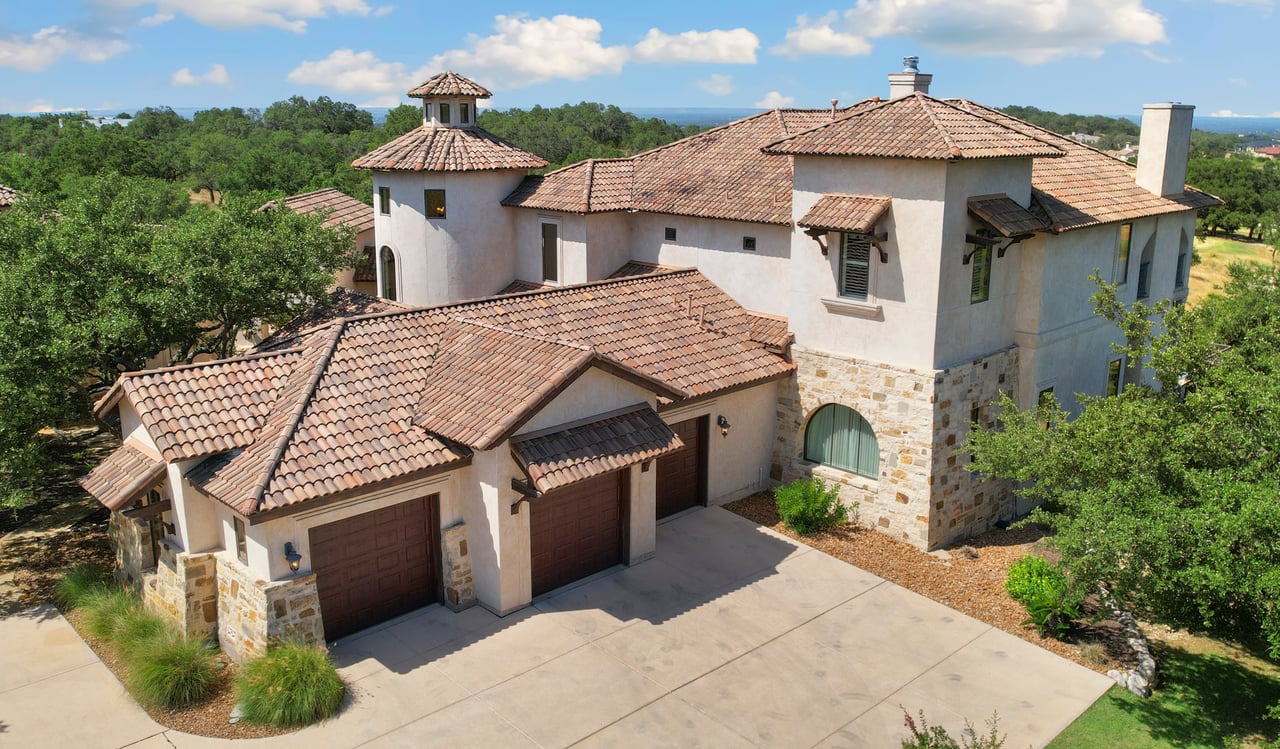
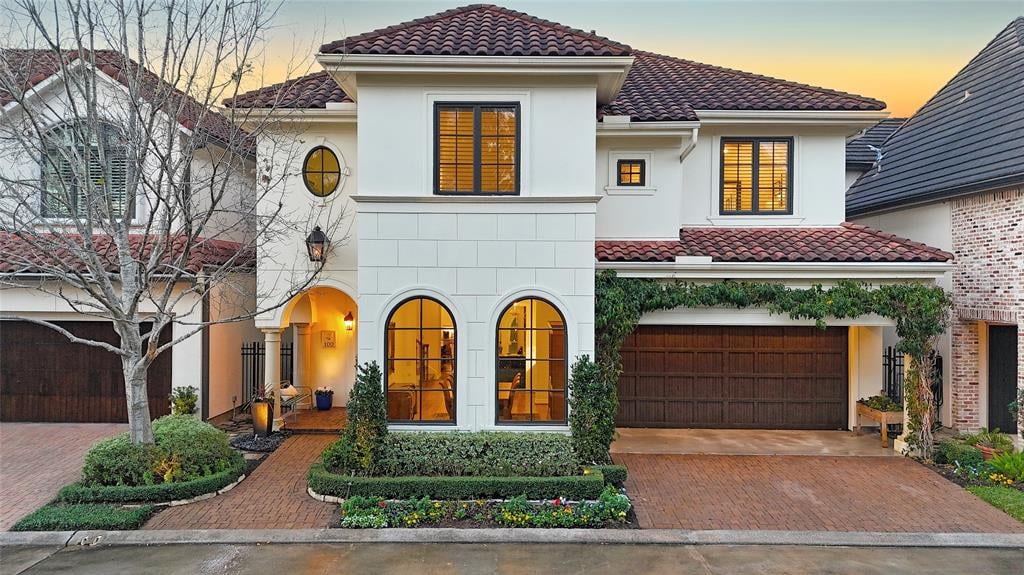
What gets built generally falls into three categories. The first is the luxury single-family Craftsman or Victorian tribute — homes designed to echo the neighborhood's historic exteriors, complete with prominent front porches and alley-access garages, but packed with contemporary, high-end interiors. The second is the multi-story modern townhome, clustered heavily around the edges of the historic zones, offering dense, low-maintenance living with rooftop decks. The third is commercial and mixed-use development, exemplified by projects like The Swift Bldg, which is converting a historic refinery complex along the Hike-and-Bike Trail into a large retail and dining hub.
The builder landscape splits along the same lines. On the custom and high-end side, firms such as Jamestown Estate Homes, Greyden Building Group, Texas Oak Custom Builders, and Marsis Luxury Homes are active in constructing large single-family properties. On the urban infill side, builders like Sandcastle Homes, First Light, Collaborative Homes, and Vecino Homes focus on upscale townhouses, detached multi-level homes, and contemporary patio homes.
For buyers, the pricing divides sharply by build style. Modern three-bedroom townhomes and patio homes generally run from $500,000 to $750,000. A standalone single-family custom build — typically four or more bedrooms and over 3,500 square feet — jumps to anywhere from $1.2M to $2.5M and up. Expect space to come at a premium throughout: yards are usually minimal or traded for rooftop terraces and covered patios with outdoor kitchens, while builders compensate with custom millwork, commercial-grade appliances, smart-home automation, and energy-efficient design. One caution worth flagging early — if a new build sits close to or within a designated historic district, you will face stricter rules on any future exterior modifications.
Buying here requires a strategy tailored to the specific micro-market you're targeting, because the experience of acquiring a multi-story townhome near Washington Avenue has almost nothing in common with buying a 1920s bungalow in a historic district.
While the broader Houston market has settled into a balanced rhythm, the premier pockets of The Heights remain genuinely competitive — especially updated historic single-family homes priced under $1 million. The move-in-ready homes with classic Heights charm often draw multiple offers within the first weekend. Compounding that, a meaningful share of inventory never reaches the MLS at all, moving "pocket to pocket" through local broker networks first. This is one of the neighborhoods where an agent plugged into those networks is a material advantage rather than a nicety.
The property types break down into three recognizable categories, each speaking to a different buyer:
| Property Type | Characteristics | Target Buyer |
|---|---|---|
| Historic Bungalows & Victorians | Original hardwoods, pier-and-beam foundations, front porches, detached alley garages | Buyers prioritizing architectural character, preservation, and prestige |
| Modern Townhomes / Patio Homes | 3–4 stories, minimal yard, attached 2-car garage, rooftop decks, open floor plans | Young professionals and lock-and-leave buyers near bars and restaurants |
| Luxury New Infill Builds | 3,500+ sq. ft., high-end finishes, historic-style exteriors with modern interiors | Families and luxury buyers wanting space inside the loop |
Two contract quirks specific to this market deserve attention. The first is the Texas option period — an upfront fee buys you a window, typically five to seven days, to walk away for any reason. In The Heights, given the age of the housing stock, you should use every hour of it; inspections here are intense and worth the scrutiny. The second is the foundation contingency. Houston's clay soil makes foundation movement common, so it is standard practice to negotiate a structural engineer's inspection during the option period, which frequently results in seller credits for leveling.
The Heights rewards buyers who do their homework block by block, because the rules can change dramatically over a short distance. Buying one street too far in a given direction can alter your tax picture, your ability to renovate, and your flood risk.
The most important thing to understand is the "no-zoning" illusion. Houston famously lacks citywide zoning, but The Heights works around that through a dense web of historic districts and deed restrictions. If you buy within a designated Historic District — Heights East, West, or South — the Houston Archaeological and Historical Commission must approve any change to the exterior of your home that's visible from the street. Repainting in an unapproved color, swapping out original windows, or adding a second story all run through a strict and often slow permitting process. Many blocks also carry "prevailing lot size" restrictions designed to stop a developer from buying a historic lot, demolishing the home, and stacking three townhomes in its place.
Flood risk is the other piece buyers consistently underestimate or overestimate. The neighborhood earned its name by sitting on a ridge above the rest of downtown, so the vast majority of it falls into Flood Zone X, an area of minimal flood hazard. That said, you cannot dismiss the risk entirely. Properties on the southern edge near White Oak Bayou or the northern edge near Loop 610 can fall into the 100-year or 500-year floodplains. And even a house that sits high and dry can be affected by street flooding, since Houston's torrential downpours can overwhelm local storm sewers. It's worth asking neighbors or checking local flood maps to learn whether the streets themselves turn into rivers during heavy rain.
Finally, understand the HOA picture before you fall in love with a property. Buy a standalone single-family home or a historic bungalow and you generally won't have a mandatory HOA — instead you'll have the option to join a voluntary civic association like the Houston Heights Association, which maintains parks and runs community events. Buy a modern townhome or a home in a gated cluster, however, and a mandatory HOA is virtually guaranteed, covering shared driveways, gate maintenance, trash, and sometimes water. In that case, review the HOA's financials during your contract period to confirm the reserves are healthy.
Relocating to Houston from out of town can be a genuine culture shock, mostly because of the city's sheer sprawl. Landing in The Heights softens that considerably — it's one of the most community-centric pockets in the entire metro, and it functions more like a historic small-town enclave than a dense urban core.
The single most useful thing for a newcomer to grasp is that "The Heights" is a collection of distinct micro-neighborhoods, not one uniform place:
One cultural note that saves newcomers confusion: Houstonians measure distance in minutes, not miles. The Heights is prized precisely because it sits at the intersection of several major highways, which makes it far more accessible than the outer suburbs despite being an older, slower-paced neighborhood.
In a city built around the car, The Heights is a rare exception — one of the few places in Houston where you can realistically leave the car parked for a weekend.
The central corridor posts a Walk Score in the 80s, exceptionally high for this city. The areas around 19th Street, White Oak Drive, and the newer M-K-T development put coffee shops, groceries, bars, and parks within an easy walk. The neighborhood's signature piece of infrastructure is the Heights Hike-and-Bike Trail, a dedicated car-free asphalt path cutting straight through the area. It links to local hubs like the M-K-T complex and connects into the broader White Oak Bayou Trail, letting cyclists ride safely all the way into Downtown or Buffalo Bayou Park.
Transit is not Houston's strength, but The Heights fares better than most. Several METRO bus lines run through the neighborhood with direct routes into Downtown, and while the METRORail Red Line doesn't cut through the center, it runs just to the east along Fulton Street, reachable by a short ride.
The real commuting advantage is geographic. Ringed by I-10, I-610, and I-45, the neighborhood lets inner-loop professionals sidestep the worst suburban gridlock:
For families, the public-school picture is often the deciding factor, and it's one of the highest-stakes things to verify before buying. The Heights is zoned entirely to the Houston Independent School District (HISD), the largest public system in Texas, and the strongest schools here are a genuine driver of real estate premiums.
The elementary tier is the crown jewel. Harvard Elementary, in the historic heart, is a popular International Baccalaureate World School that consistently earns top-tier ratings and directly lifts home values on its zoned blocks. Travis Elementary, serving Woodland Heights, is highly regarded for strong community involvement and its Vanguard gifted-and-talented magnet program. Field Elementary, in the northern pocket, has drawn significant neighborhood investment and become another competitive option.
Moving up, Hogg Middle School serves as the primary middle school and runs an IB Middle Years Programme with strong community support. Heights High School, the designated neighborhood high school, operates a Computer Technology Magnet and an IB Diploma Programme; it has posted significant academic gains, lifting its accountability rating to an "A" campus alongside major improvements in college and career readiness metrics.
Two things every family buyer should know. First, your zoned school isn't your only option — HISD runs a robust School Choice lottery, so a Heights address can be a launching point for specialized programs elsewhere. Second, ongoing state-level intervention and structural changes within HISD have led some families to explore private and parochial alternatives in or near the neighborhood, including St. Rose of Lima, The Montessori House, and The Shlenker School. In all cases, cross-reference a specific home's address against official HISD zoning maps before you buy, because boundaries can slice directly through individual blocks.
The Heights manages to be walkable and green at the same time, with outdoor space woven into daily life rather than relegated to the edges.
Donovan Park on Heights Boulevard is the flagship playground, known for its community-built wooden castle and train theme, and it's the weekend gathering point for local families. The Heights Boulevard Promenade is a linear park running down the center of the boulevard, with wide gravel paths, historic gazebos, and a rotating outdoor sculpture installation that changes each year. On the quieter side, Milroy Park on 12th Street offers a lighted tennis court and a small community center, while Stude Park, on the southeastern edge near White Oak Bayou, brings open green space, sports fields, a public pool, and direct access to the regional trail network.
For runners, cyclists, and dog walkers, the real value is the connective tissue: the central Heights Hike-and-Bike Trail links directly into the White Oak Bayou Greenway Trail, a paved path that bypasses traffic entirely and carries you down into Downtown's Buffalo Bayou Park network.
The food scene here functions less like an entertainment district and more like an extension of residents' living rooms. Over the past decade The Heights has become one of Houston's premier dining destinations, favoring independent, chef-driven establishments over flashy corporate concepts. Historic bungalows, former tire shops, and old warehouses have been retrofitted into upscale bistros and patio bars, and the prevailing mood is casual sophistication — the kind of place where you can get a James Beard-caliber meal in a T-shirt.
Two adaptive-reuse developments anchor the scene. The M-K-T Development runs right along the Hike-and-Bike Trail and serves as a hub for trail-side dining and patio drinking; you can bike up, grab a cocktail or a wood-fired pizza, and sit outside. The Heights Mercantile is a low-rise district that folds high-end dining, local ice cream, and trendy retail directly into the residential grid.
Nightlife favors cozy patios over loud clubs — historic icehouses and string-lit patio bars where neighbors gather for craft beer and live music, plus tucked-away speakeasies focused on mixology. There's a quirky bit of history behind that character: much of the historic Heights was legally "dry" for over a century, and while voters eventually lifted the ban, the legacy stuck. The neighborhood skipped the rowdy dive-bar era entirely and went straight to curated, food-and-beverage-forward establishments.
If you had to compress the personality of The Heights into a phrase, it would be historic charm meets progressive urbanism — an eclectic, fiercely community-minded enclave that balances inner-loop energy with small-town warmth.
The architecture shapes the social life. Because so many homes have prominent front porches set close to the sidewalk, neighbors actually talk to one another, and an evening stroll routinely turns into a conversation across a picket fence. The cultural spine is Historic 19th Street, an unapologetically independent strip of vintage shops, indie bookstores, art galleries, and the historic Heights Theater, which doubles as a live-music venue. Big-box retail is conspicuously absent, reinforcing a shop-local ethos.
It's also an active, health-conscious place. On any given day the trail networks fill with runners, cyclists, and parents pushing strollers from sunrise on. The people who thrive here want to be connected to the city but value character over polish — a mix of tech and medical professionals, creative entrepreneurs, and families who simply refuse to decamp to the suburbs. The result is a lifestyle that's sophisticated but unpretentious, where community identity is something residents protect on purpose.
The Heights is a neighborhood where local knowledge genuinely changes outcomes — where the right block, the right historic-district line, and the right pocket listing can make all the difference. That's exactly where having the right partner matters.
Spagnola Realty Group brings that depth of local expertise to every client relationship. Led by Caroline Spagnola, a rising Top Producing Texas Real Estate Agent with an Accredited Luxury Home Specialist designation, the team pairs extensive knowledge of high-end properties with a genuinely personalized approach — tailoring each experience and building relationships that extend well beyond closing. With seven years of direct experience across Houston's diverse market, an investor's eye honed by owning investment property firsthand, and a collaborative network that includes civil engineers, architects, and land surveyors, the group is equipped to guide you whether you're buying your first bungalow, selling a custom build, or weighing a historic home against a new townhome. Whether you're relocating from out of town or simply trying to decide which pocket of The Heights fits your life, reach out to Spagnola Realty Group to start the conversation — and to put real local insight to work for you.
421 people live in The Heights, where the median age is 32 and the average individual income is $105,405. Data provided by the U.S. Census Bureau.
Total Population
Median Age
Population Density Population Density This is the number of people per square mile in a neighborhood.
Average individual Income
There's plenty to do around The Heights, including shopping, dining, nightlife, parks, and more. Data provided by Walk Score and Yelp.
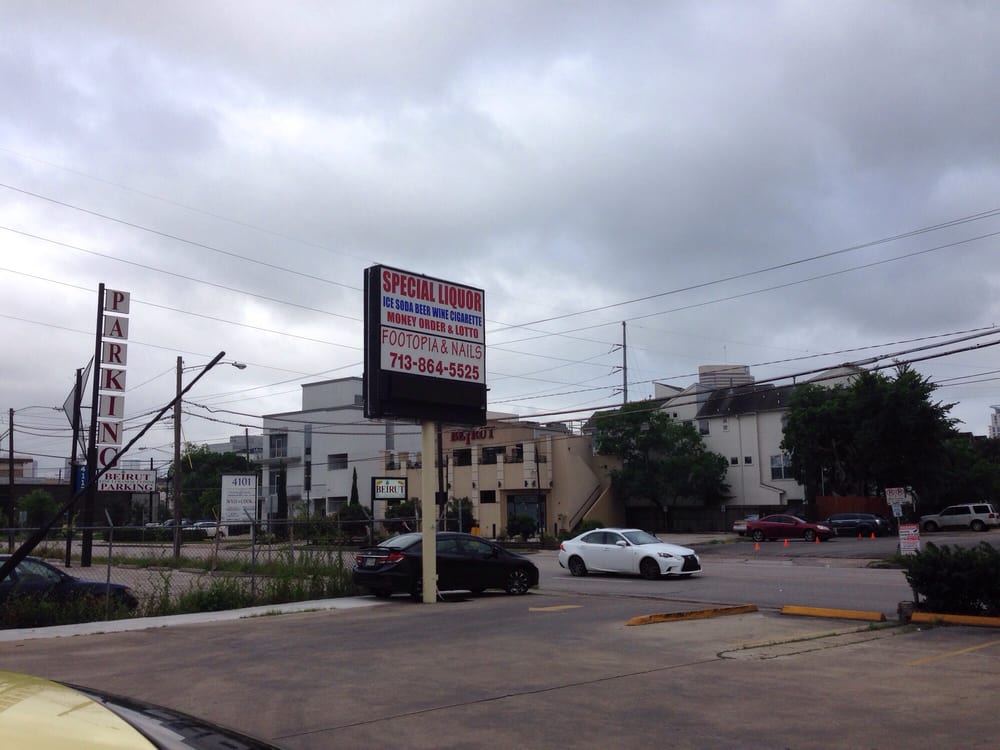
Explore popular things to do in the area, including Cal-Tex Citrus Juice, Special Liquor, and Shanghai Cafe.
| Name | Category | Distance | Reviews |
Ratings by
Yelp
|
|---|---|---|---|---|
| Dining | 0.46 miles | 0 reviews | 0/5 stars | |
| Dining | 0.49 miles | 0 reviews | 0/5 stars | |
| Dining | 0.89 miles | 0 reviews | 0/5 stars | |
| Dining | 0.94 miles | 0 reviews | 0/5 stars | |
| Dining · $ | 0.95 miles | 9 reviews | 4/5 stars | |
| Dining | 0.99 miles | 0 reviews | 0/5 stars | |
| Shopping | 0.2 miles | 0 reviews | 0/5 stars | |
| Shopping | 1 miles | 1 review | 5/5 stars | |
| Shopping | 1.03 miles | 10 reviews | 3.8/5 stars | |
| Active | 0.49 miles | 1 review | 3/5 stars | |
| Active | 0.5 miles | 0 reviews | 0/5 stars | |
| Active | 0.99 miles | 0 reviews | 0/5 stars | |
| Beauty | 0.43 miles | 0 reviews | 0/5 stars | |
| Beauty | 0.51 miles | 0 reviews | 0/5 stars | |
| Beauty | 0.64 miles | 0 reviews | 0/5 stars | |
| Beauty | 0.79 miles | 0 reviews | 0/5 stars | |
| Beauty | 0.8 miles | 0 reviews | 0/5 stars | |
| Beauty | 0.83 miles | 0 reviews | 0/5 stars | |
| Beauty | 0.87 miles | 0 reviews | 0/5 stars | |
| Beauty | 0.99 miles | 0 reviews | 0/5 stars | |
| Beauty | 0.99 miles | 0 reviews | 0/5 stars | |
| Beauty | 0.99 miles | 0 reviews | 0/5 stars | |
| Beauty | 0.99 miles | 0 reviews | 0/5 stars | |
| Beauty | 1.01 miles | 0 reviews | 0/5 stars | |
|
|
||||
|
|
||||
|
|
||||
|
|
||||
|
|
||||
|
|
The Heights has 278 households, with an average household size of 1. Data provided by the U.S. Census Bureau. Here’s what the people living in The Heights do for work — and how long it takes them to get there. Data provided by the U.S. Census Bureau.
Total Population
Population Density Population Density This is the number of people per square mile in a neighborhood.
Median Age
Men vs Women
Population by Age Group
0-9 Years
10-17 Years
18-24 Years
25-64 Years
65-74 Years
75+ Years
Education Level
Total Households
Average Household Size
Average individual Income
Households with Children
With Children:
Without Children:
Marital Status
Blue vs White Collar Workers
Blue Collar:
White Collar:
Whether buying or selling, we're here to guide you. Connect with Spagnola Realty Group today to discover how we can make your real estate experience seamless and rewarding.