Trying to choose between Galveston and Houston’s Inner Loop? For many buyers, this is not really a question of one market being better than the other. It is a question of how you want to live day to day, what kind of home you want to own, and how much complexity you are comfortable managing. If you are weighing beach access against city access, this guide will help you compare the tradeoffs and decide with more confidence. Let’s dive in.
Coast-First vs City-First Living
The clearest way to frame this decision is coast-first living versus city-first living. Galveston offers an island setting with 32 miles of Gulf Coast beaches, historic attractions, museums, and a pace that feels tied to the water. It sits about 50 miles south of Houston, so the lifestyle is meaningfully different from a central-city routine.
Houston’s Inner Loop offers a very different kind of convenience. In Montrose, you are choosing an eclectic, culture-rich urban setting shaped by museums, restaurants, retail, and historic districts. In Greenway and Upper Kirby, you are choosing a more polished daily-city environment built around office access, mixed-use corridors, and convenience inside Loop 610.
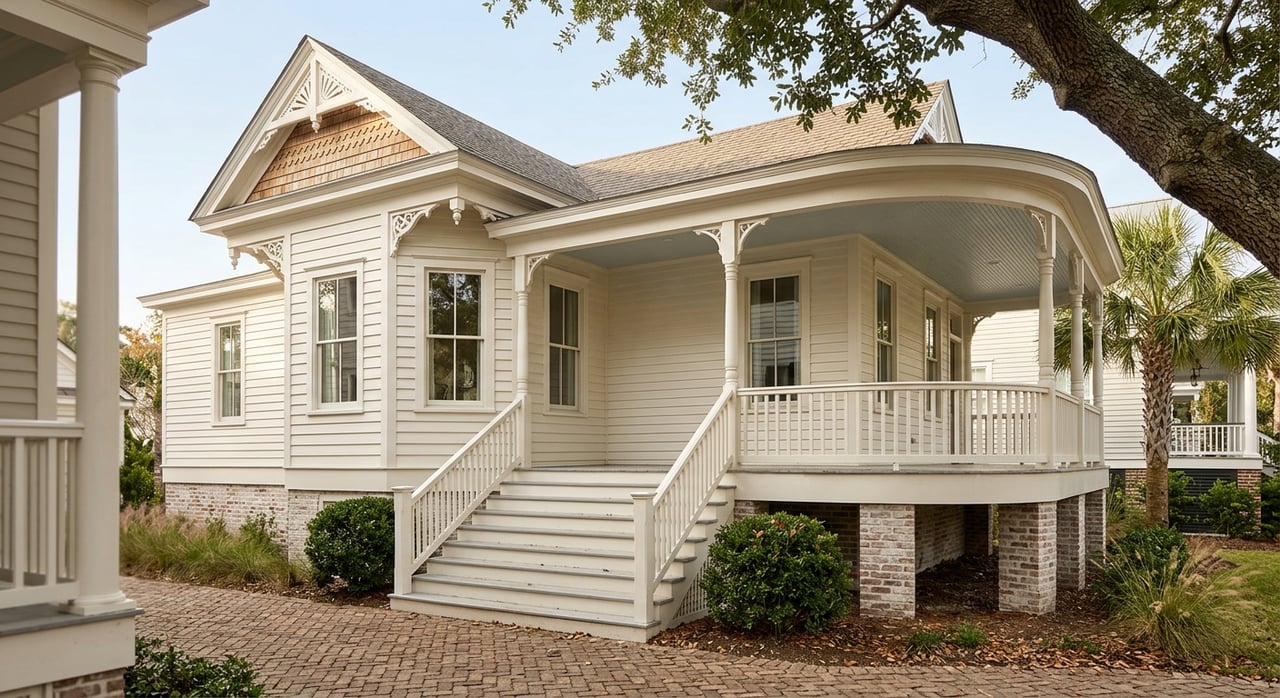
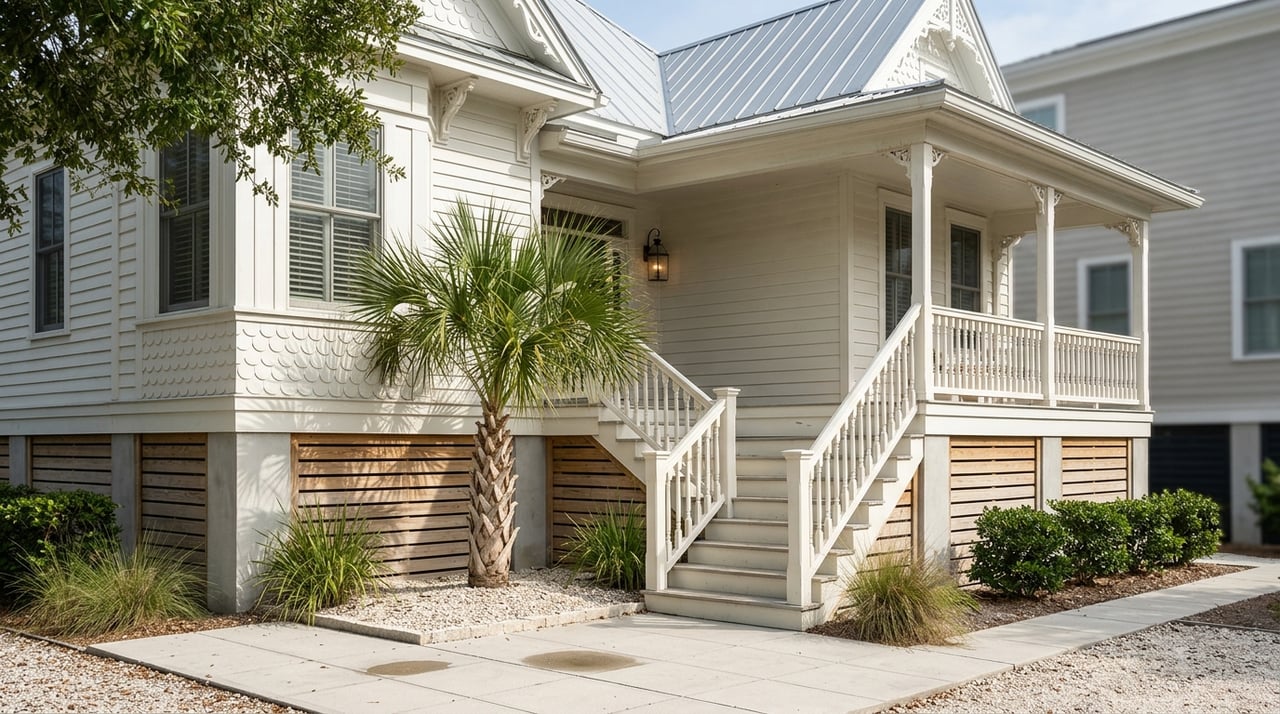
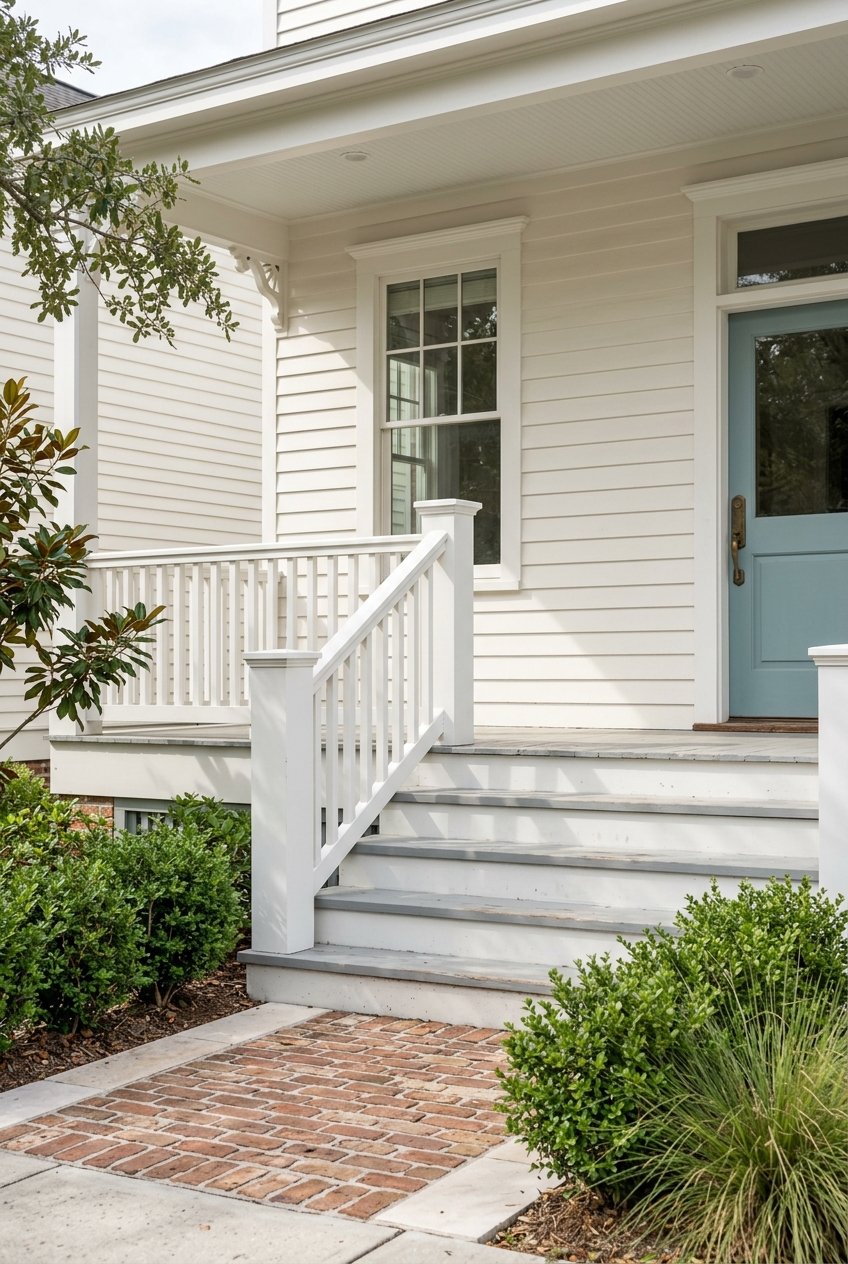
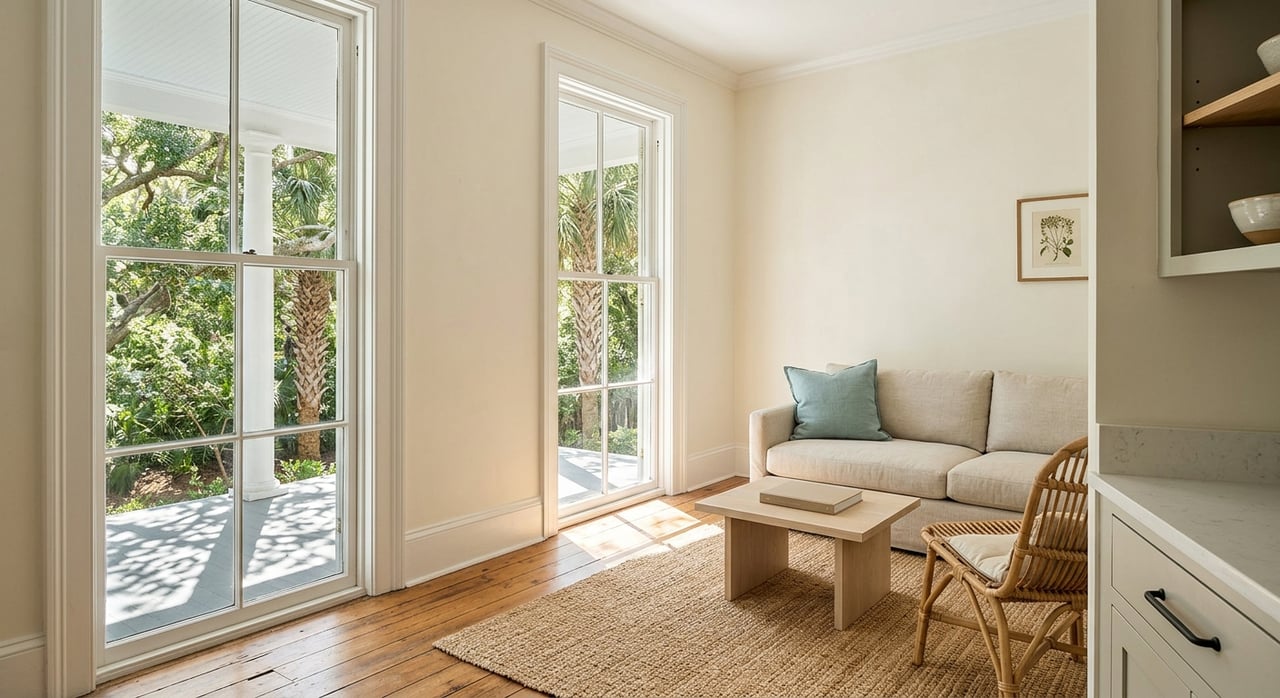
If your dream home includes porches, salt air, and a more destination-driven lifestyle, Galveston may feel like the right fit. If you want your home to support a fast routine with easier access to offices, retail, and central Houston destinations, the Inner Loop often makes more sense.
Why Buyers Choose Galveston
Galveston attracts buyers who want more than a house. Many are buying into a lifestyle shaped by beach time, historic architecture, second-home flexibility, or a hybrid use plan that mixes personal enjoyment with seasonal occupancy. That makes the island especially appealing if your priorities extend beyond a standard commute-driven purchase.
The housing stock also has a distinctive character. According to the city’s consolidated plan, 56% of residential properties are one-unit detached homes, and a large share of the housing inventory is older, with 19% of units built before 1940 and 47.2% built before 1970. If you love historic homes, cottages, and detached properties with architectural personality, Galveston gives you more of that than many inner-loop submarkets.
Galveston can also appeal to buyers thinking about part-time use. The city’s housing plan reports a 36.6% vacancy rate, driven primarily by rental and seasonal units, which suggests seasonality plays a meaningful role in the island market. For some buyers, that supports a second-home strategy or a property they may not occupy full time.
What Galveston Ownership Really Means
Galveston ownership comes with responsibilities that should be treated as routine, not occasional. The city states that the entire island is in the primary evacuation zone, and it also notes exposure to flash flooding, storm surge, tropical systems, and hurricanes. If you buy here, storm planning becomes part of your ownership experience.
Insurance and construction standards are also bigger parts of the conversation in Galveston. The city says coastal properties must meet certain building standards to obtain windstorm insurance, and the Building Division requires a WPI-8 from the Texas Department of Insurance upon completion of new construction, solar panels, siding, and roofing replacement. TWIA also requires properties to be certified as built to applicable codes to remain eligible for coverage.
That does not mean Galveston is the wrong choice. It means you should go in with your eyes open. Buyers who do best here are usually comfortable evaluating elevation, insurance, maintenance, and evacuation planning as part of the purchase decision.
Why Buyers Choose Montrose
Montrose appeals to buyers who want a more urban, design-forward, culture-rich home base. The City of Houston describes it as one of Houston’s most eclectic communities, with destinations such as the Menil Collection, Rothko Chapel, Art League Houston, restaurants, and unique retail. For many buyers, that mix creates an everyday lifestyle that feels energetic, central, and connected.
This part of Houston also reflects the city’s historic urban identity. Houston’s Loop 610 planning pages note that the Inner Loop contains eighteen of the city’s nineteen historic districts. If you are drawn to established streetscapes, older homes, and neighborhoods with visible character, Montrose may offer the kind of setting you want.
The housing mix is also broad. City data for Neartown and Montrose show detached homes, attached homes, and a large number of units in buildings with 10 or more units. That gives buyers more flexibility if they are deciding between a cottage, a townhome, or a condo-style option.
Why Buyers Choose Greenway and Upper Kirby
Greenway and Upper Kirby tend to attract buyers who want Inner Loop access with a more convenience-oriented feel. The City of Houston places this area inside Loop 610 and describes it as built around Greenway Plaza, the Upper Kirby District, and Highland Village, with a major office cluster and mixed-use commercial corridors. In everyday terms, this is often a practical fit for buyers who value routine, access, and a more lock-and-leave style of ownership.
The housing stock reflects that pattern. City data show 18,636 total housing units in Greenway and Upper Kirby, with only 2,032 detached units and 14,447 units in buildings with 10 or more units. If you are looking for a condo- or apartment-heavy environment rather than a detached-home neighborhood, this area may align better with your goals.
This market can also feel more streamlined for buyers who do not want the added coastal variables that come with island ownership. You still need to evaluate each property carefully, but the decision process is usually more centered on building type, budget, and location than on windstorm eligibility or evacuation planning.
Compare the Housing Mix
What you want to own often decides this question as much as where you want to live. Galveston leans more detached and historic. Montrose is mixed and denser. Greenway and Upper Kirby are even more concentrated in larger multi-unit buildings.
Here is the big-picture comparison based on city data and the research snapshot:
| Area | Housing Pattern | Ownership Feel |
|---|---|---|
| Galveston | More detached homes, older inventory, historic stock | Lifestyle-driven, character-rich, more hands-on |
| Montrose | Mix of detached homes, townhomes, duplexes, apartments | Urban, eclectic, flexible |
| Greenway / Upper Kirby | Heavy concentration of condos and larger multi-unit buildings | Convenience-driven, central, more lock-and-leave |
If you picture yourself renovating a historic home, restoring details, or owning a detached coastal property, Galveston may stand out. If you want a lower-maintenance urban setup or a condo-oriented lifestyle, Inner Loop options may be easier to match.
Price Snapshot Matters, But Context Matters More
Recent market snapshots show meaningful pricing differences, though they should be treated as directional rather than perfectly comparable. In March 2026, Redfin reported a median sale price of $365,000 in Galveston, $629,000 in Neartown and Montrose, and $468,000 in Greenway and Upper Kirby. Because these are different geographies and methodologies, they are best used as broad market signals.
The bigger takeaway is not simply which market is cheaper. It is what you are buying at each price point. In Galveston, you may be paying for detached-home character, coastal access, or second-home flexibility. In Montrose or Upper Kirby, you may be paying for centrality, convenience, and a denser housing ecosystem.
Taxes, Renovation, and Project Friction
Monthly cost comparisons should go beyond sale price. In both Galveston and Houston, the tax bill is made up of stacked local levies rather than one simple neighborhood rate. Galveston CAD’s taxing-unit list shows that a property can sit inside combinations of city, county, school district, drainage, emergency service, college, and special-district levies, while Houston’s city rate is set from certified appraisal-roll data.
If you are comparing ownership costs, review the actual property, not just the area name. Two homes in the same broad market can carry very different tax and fee structures depending on district overlays and property characteristics.
Renovation also works differently in Galveston. The city’s plan says rehabilitation costs are considerably higher in historic areas because many homes need electrical and plumbing updates to meet code. If you love historic island homes, it is wise to budget for both charm and complexity.
Historic Rules and Potential Incentives in Galveston
Historic homes can be a major part of Galveston’s appeal, but they can also come with additional review. The city’s Historic Preservation program says projects in locally designated districts are reviewed by the Historic Preservation Officer and Landmark Commission. For some buyers, that oversight helps preserve architectural character. For others, it adds time and planning to the renovation process.
There may also be value in understanding available incentives. Galveston’s program notes that substantial rehabilitation can qualify for a 10-year freeze on City taxes, while other taxing entities continue to tax the post-improvement value. If you are considering a historic renovation, that is an important detail to review early.
Short-Term Rental Plans Need Local Review
If part of your buying strategy includes occasional rental income, Galveston requires closer review than many buyers expect. The city now oversees short-term rental registration and hotel occupancy tax collection, and it notes that some neighborhoods have short-term rental restrictions. Properties must also comply with registration and advertising rules.
That means you should never assume a property will fit your intended use just because it is on the island. A buyer considering second-home or hybrid-use ownership needs to verify the local framework before making a decision.
How Houston Buyers Usually Decide
Most buyers do not choose between Galveston and the Inner Loop based on one metric. They decide based on the kind of life they want the home to support. That is why this choice often becomes clearer when you stop asking, “Which market is better?” and start asking, “Which routine fits me better?”
Galveston is often the stronger fit if you want beach lifestyle, historic island character, or second-home flexibility and you are comfortable with flood, windstorm, and evacuation realities. Montrose is often the better fit if you want an eclectic historic urban base with a strong cultural identity. Greenway and Upper Kirby are often the right answer if you want polished Inner Loop convenience, office access, and a more condo- or townhome-oriented housing mix.
The right choice is the one that fits both your lifestyle and your tolerance for ownership complexity. When you match those two things well, your home tends to work better for you long after closing.
If you are weighing Galveston against Montrose, Greenway, or Upper Kirby, working with a team that understands both coastal variables and inner-loop buying patterns can make the decision much clearer. Spagnola Realty Group helps buyers compare lifestyle, property type, and long-term fit from the coast to the city.
FAQs
How is Galveston living different from Houston Inner Loop living?
- Galveston is more coast-first, with beaches, historic homes, and storm planning as part of ownership, while the Inner Loop is more city-first, with central access, urban culture, and fewer coastal ownership variables.
What kind of homes do buyers find in Galveston?
- Galveston has a more detached-home-oriented housing stock with a significant share of older and historic homes, including many properties built before 1970.
What kind of homes do buyers find in Montrose?
- Montrose offers a mixed housing stock that includes detached homes, attached homes, older duplexes, townhomes, and larger multi-unit buildings.
What kind of homes do buyers find in Greenway and Upper Kirby?
- Greenway and Upper Kirby have a housing mix that is much more concentrated in condos, apartments, and other larger multi-unit buildings, with fewer detached homes.
What should Galveston buyers know about flood and storm planning?
- Galveston says the entire island is in the primary evacuation zone, and ownership involves planning for flood exposure, storm surge, tropical systems, and hurricanes.
Can Galveston buyers use a property as a short-term rental?
- Some Galveston properties may be used that way, but the city requires short-term rental registration and tax compliance, and some neighborhoods have restrictions, so buyers should verify the local rules for a specific property.