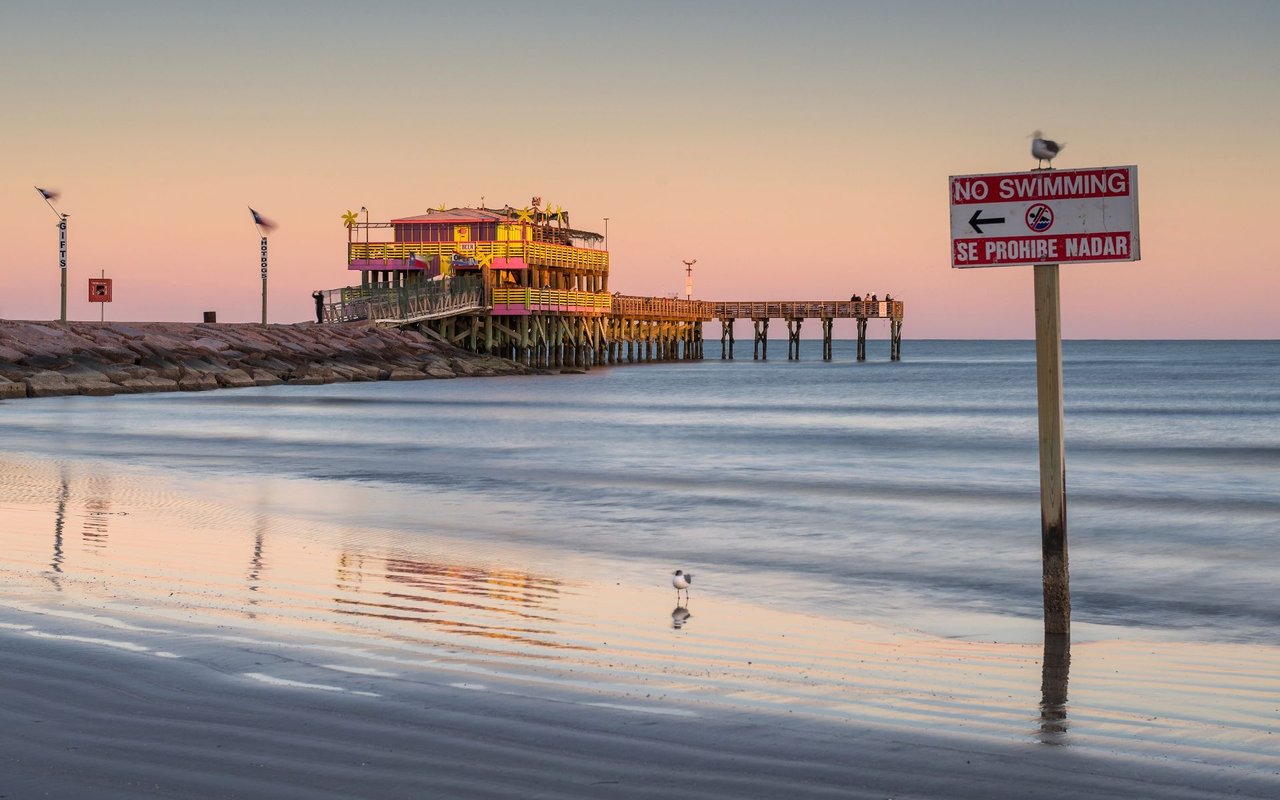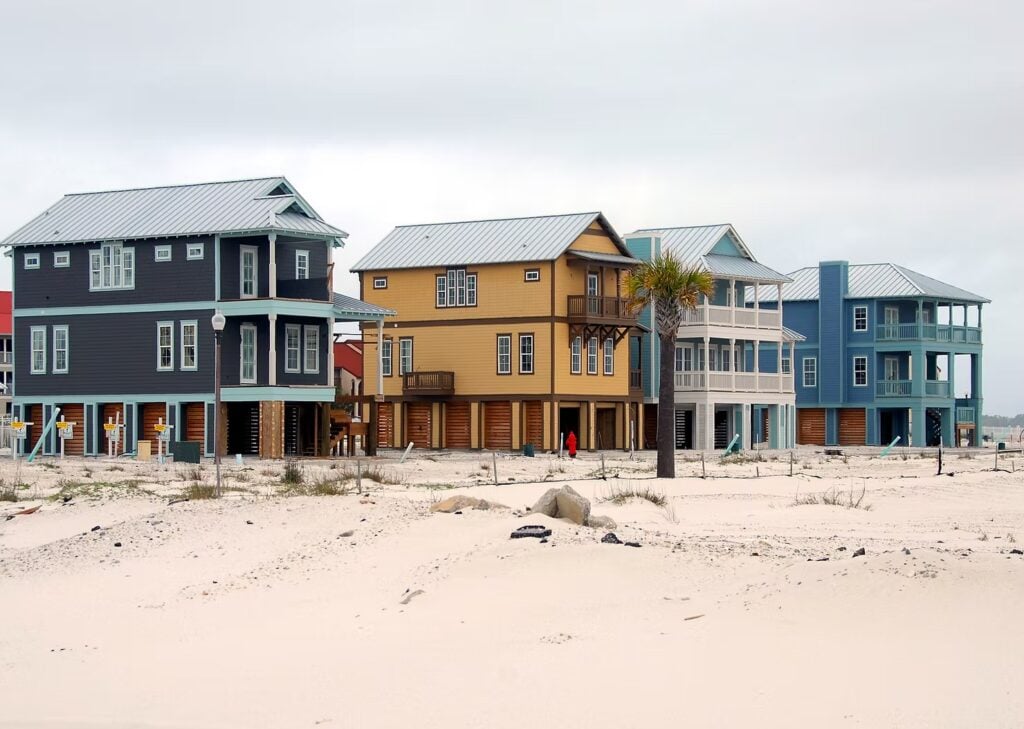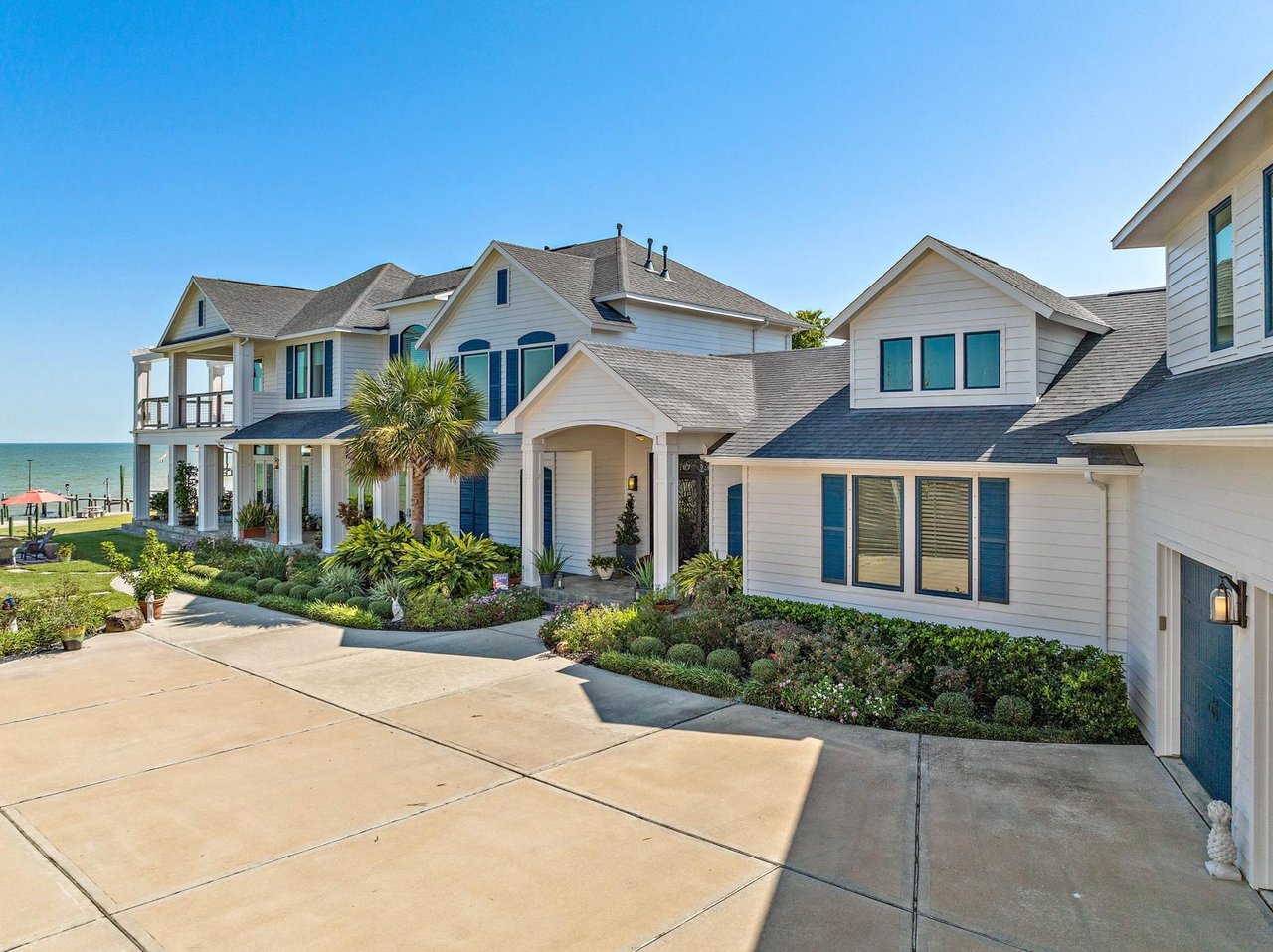
Galveston rewards the buyer who knows the island, and it quietly penalizes the one who doesn't. A restored Victorian in the East End, a bayfront home on Offatts Bayou and a raised beach house in Pirates Beach sit only a few miles apart, yet each carries its own rules, its own insurance picture and its own kind of buyer. The right realtor knows those differences long before the first showing.
Whether you are a Houston family searching for a second home on the water or a longtime owner preparing to sell, these are the questions worth asking any Galveston realtor before you sign. Each one is specific to the island, and each deserves an answer a seasoned local agent can give without looking it up.
1. Can you speak to every part of the island?
Galveston is not one market. The East End Historic District, Silk Stocking, the Seawall corridor, the bayfront streets and the gated beach communities of the West End each price, show and sell differently. Jamaica Beach is even its own city, with its own rules.
Ask a prospective agent to walk you through the Galveston neighborhoods that fit your plans and where they have recently worked. A strong answer names specific streets and specific trade-offs, and it is candid about which areas suit your goals and which do not.
2. How will you handle the windstorm certificate?
On the coast, wind and hail coverage is its own conversation. The Texas Department of Insurance describes its Certificate of Compliance, form WPI-8, as proof that a home is eligible for wind and hail coverage through the Texas Windstorm Insurance Association, and notes that mortgage lenders typically require full coverage, wind included.
A buyer's agent should look up the certificate early, using the online search described in TDI's windstorm guide for buyers and sellers, well before the option period runs out. A listing agent should pull it before the home goes live. TDI calls the certificate an excellent selling point, and buyers notice when it is ready on day one.
3. What do we know about flood history and elevation?
Since September 1, 2019, Texas sellers have disclosed more about flood risk, including whether a home sits in a 500-year floodplain, a flood pool or near a reservoir, and whether it has flooded before.
Your realtor should read that disclosure line by line, check the home against FEMA's flood map, ask for an elevation certificate when one exists and get a flood insurance quote during the option period, not at the closing table. On an island, elevation shapes both the ownership cost and the resale story.
4. Is the home in a historic district, and what can I change?
Galveston's local historic districts, including the East End, Silk Stocking, Lost Bayou and Strand/Mechanic, fall under the city's Landmark Commission. Exterior alterations, additions, new construction, relocation and demolition are reviewed against the city's Design Standards for Historic Properties.
For a buyer with plans for a new kitchen wing or a second-story gallery, that review shapes both the budget and the timeline. For a seller, an agent who understands it can present a historic home's character as the asset it is. I grew up in the East End Historic District, and those streets still shape how our team guides buyers and sellers there.
5. Do you know the beachfront rules and disclosures?
Galveston Island sits seaward of the Gulf Intracoastal Waterway, so sales here carry a disclosure required by the Texas Natural Resources Code about the public's right to use the beach, the line of vegetation and the risk of erosion.
Closer to the Gulf, construction within 1,000 feet of mean high tide, or seaward of the first public road, whichever is greater, needs a beachfront construction certificate and dune protection permit. If you are buying on the beach with plans for a pool, a larger deck or a rebuild, those rules belong in the conversation before you make an offer.
6. Will the home work as a rental, and what does that require?
Many Houston buyers plan to rent their Galveston home on the weekends they are not using it. Inside the City of Galveston, every short-term rental needs a city registration and its own Galveston Vacation Rental (GVR) number. The city lists a $250 annual registration fee, renewals due by December 31, a 24-hour contact who lives within an hour of the property, and regular hotel occupancy tax reports.
One detail buyers often miss: the registration does not carry over in a sale. The new owner registers again and receives a new GVR number. Your realtor should also confirm that the deed restrictions or association rules allow rentals before you commit.
7. How will you reach Houston buyers?
For sellers, this is the question that matters most. Much of Galveston's buyer pool lives about an hour up I-45, and a Houston buyer has to discover your home, fall for it and make time to see it.
Ask how an agent will reach that buyer: the photography and video, where the listing will be seen, and how weekend and private showings will be handled for an owner who lives off the island. Our team works on both ends of I-45, in Galveston and in Houston's inner loop, so we market island homes to the Houston buyers who are most likely to own them.
So who should you hire?
Hire the realtor who answers all seven questions with specifics: names, documents, dates and a plan. Galveston is a remarkable place to own a home, and the details are what make it a remarkable purchase or sale.
Frequently asked questions
Do I need a Galveston realtor if I live in Houston?
It helps. The island's insurance, flood, historic district and beachfront rules differ from Houston's, and a local agent can preview homes, attend inspections and handle showings when you cannot make the drive.
What is a WPI-8, and why does it matter in Galveston?
It is the Texas Department of Insurance's Certificate of Compliance for windstorm construction. TDI describes it as proof of eligibility for wind and hail coverage through the Texas Windstorm Insurance Association, which lenders typically expect a home to carry.
Do I need a permit to rent my Galveston home short-term?
Inside the City of Galveston, yes. Each short-term rental needs a city registration and a GVR number, with a $250 annual fee and renewals due by December 31. A new owner registers again after a sale.
What can I change on a home in the East End Historic District?
Exterior alterations, additions, new construction, relocation and demolition are reviewed by the city's Landmark Commission against its Design Standards for Historic Properties. For a specific project, the city's Planning and Development Division is the place to confirm what needs review.
Are there disclosures unique to buying on Galveston Island?
Yes. Because the island sits seaward of the Gulf Intracoastal Waterway, sales include a state-required notice about the public beach easement and erosion, alongside Texas' expanded flood disclosures.
Let's talk about your move
Whether you are buying your first place on the water or preparing to sell a home you love, our team would be glad to walk you through the neighborhoods, the paperwork and the numbers. Reach Caroline Spagnola directly at (409) 771-2859 or [email protected], search Galveston homes, or request a home valuation.
This article is general information, not legal or insurance advice. Rules and fees change, so confirm current requirements with the city, the Texas Department of Insurance or your own advisor.