If you only have one long weekend to decide whether Galveston fits your life, you need more than a few random showings. You need a plan that helps you compare historic streets, condo convenience, and quieter beach-house living without wasting time. The good news is that Galveston’s east-to-west layout makes that kind of focused scouting trip very doable. Let’s dive in.
Why Galveston works for a weekend trip
Galveston gives you a lot of variety in a relatively practical footprint. Across the island, you can experience historic residential blocks, active beachfront areas, and lower-density coastal communities in just three days.
That matters when you are house hunting from out of town, considering a second home, or trying to narrow your search before a bigger buying decision. Instead of guessing from listing photos alone, you can test what daily life actually feels like in different parts of the island.
Start with a clear house-hunting goal
Before you book your trip, decide what you most want to compare. In Galveston, your weekend will feel very different depending on whether you are drawn to a historic home, a lock-and-leave condo, or a beach house with more privacy.
A simple goal helps you stay focused. You might be asking which part of the island feels most like home, how close you want to be to the beach, or whether you prefer being near downtown activity or farther west where the pace feels quieter.
Questions to answer before you arrive
- Do you want a historic home, condo, or beach house?
- Is walkability more important than privacy?
- Do you want direct beach access or bay access nearby?
- How much driving are you comfortable with each day?
- Are you mainly shopping for a primary home, second home, or investment-minded purchase?
Day 1: Tour the East End
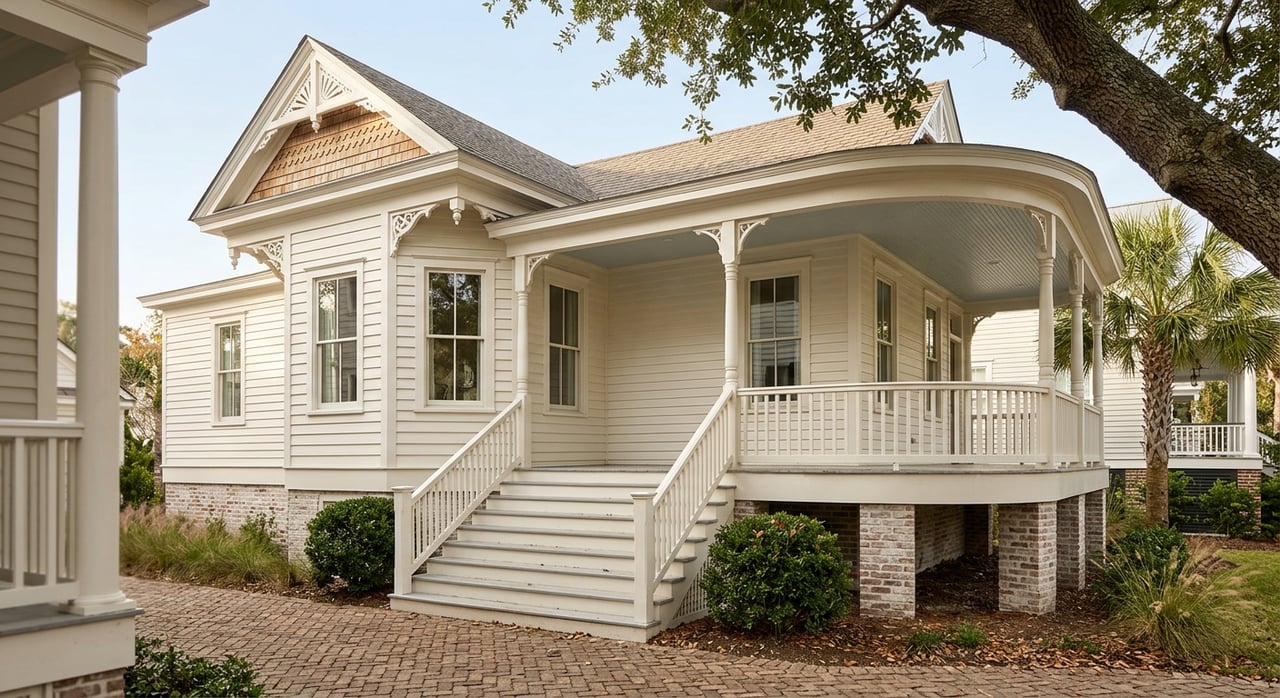
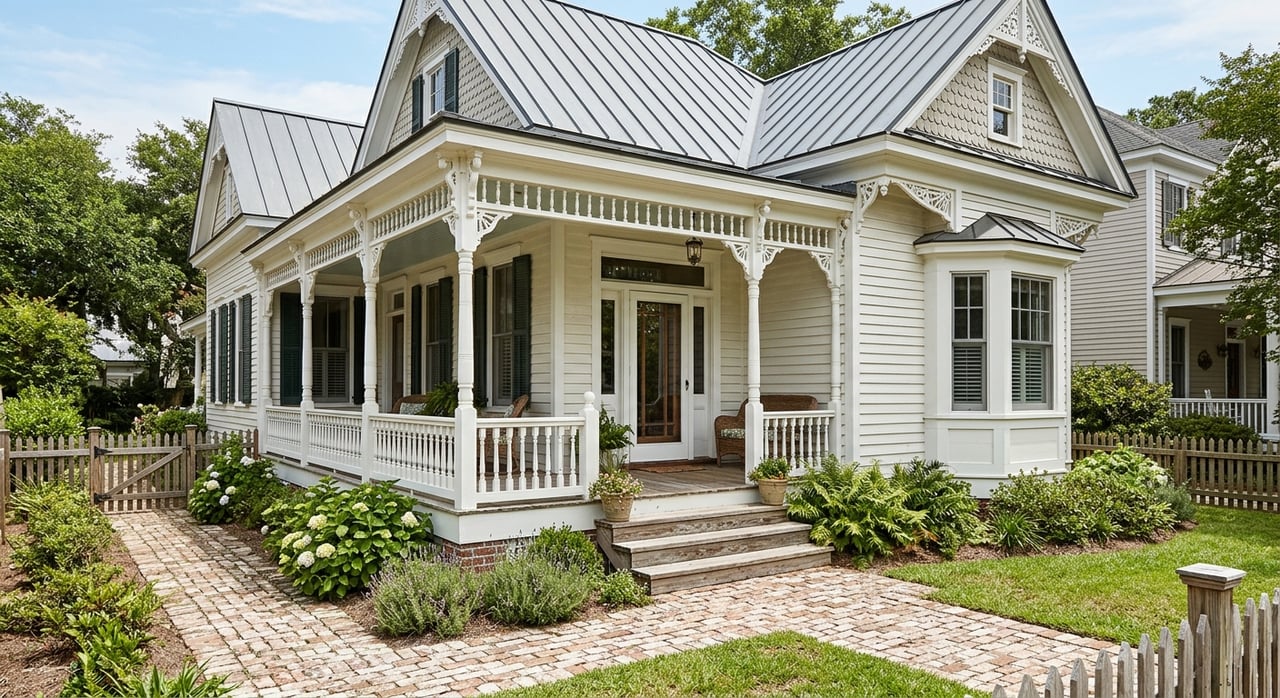
The East End is the best place to start if you want to understand Galveston’s historic character. This area includes the East End Historical District, which spans more than 50 city blocks and is bounded by Broadway, 10th Street, Mechanic Avenue, and 19th Street.
It is Galveston’s first residential neighborhood, sits next to downtown, and was added to the National Register of Historic Places in 1976. For many buyers, this is where the island’s older residential feel becomes most tangible.
What to notice in the East End
As you drive and walk the area, pay attention to block-by-block character. You are not just comparing homes here. You are comparing streetscapes, porch life, tree cover, proximity to downtown, and how historic surroundings fit your lifestyle.
The East End is also close to places that help you picture day-to-day living and weekend routines. Nearby anchors include East Beach, Stewart Beach, and the roughly 700-acre East End Lagoon Nature Preserve.
Helpful lifestyle stops
You can also use local landmarks to better understand the area. The Bryan Museum and Bishop’s Palace are useful reference points during an East End scouting day, especially if you are trying to gauge how much historic architecture and cultural activity matter to you.
If your search leans luxury or low-maintenance ownership, this side of the island also gives you a chance to preview very different property formats. Representative options mentioned in the local tourism materials include Beachtown, The Galvestonian, and Palisade Palms.
Best fit for East End buyers
The East End may be worth extra attention if you are looking for:
- Historic residential surroundings
- Easy access to downtown Galveston
- A mix of architectural character and beach proximity
- Condo or luxury options on the island’s east side
- A more established, classic island setting
Day 2: Compare Central Island and the Seawall
Your second day should focus on the middle of the island. Central Island and Midtown let you compare older in-town living with the beach-adjacent rhythm of the Seawall corridor.
This is a smart contrast day because it helps you decide how much you value neighborhood texture versus resort-style convenience. Some buyers discover they want a quieter residential setting, while others realize they want to be near the beachfront energy.
What Central Island shows you
Central Island includes historic properties and long-established in-town areas. It gives you a chance to see how daily life feels when you are not directly on the beachfront but still close to many of Galveston’s core destinations.
If you are considering a home with character and a more central location, this part of the island can help clarify your preferences. It is often the best place to test whether you want to trade immediate beach views for a more traditional in-town setup.
Why the Seawall matters
The Seawall is one of the most useful comparison zones on a house-hunting weekend. It stands 17 feet above sea level, stretches more than 10 miles, and includes the longest continuous sidewalk in the United States.
The central stretch is also where many hotels, restaurants, and activities cluster. If you are considering condo ownership or a beach-adjacent lifestyle, this is where you can evaluate how that setup feels in real time.
What to compare on the Seawall
This area is less about one single neighborhood identity and more about testing lifestyle details. For condo buyers especially, those details can make or break the right fit.
As you tour, compare:
- Beach access
- Building style and upkeep
- Elevator convenience
- Pool and amenity setup
- Noise and activity level
- Distance to dining and daily stops
Examples noted in local tourism materials include the Victorian Condominiums just west of 61st Street and Maravilla farther west on Seawall Boulevard. The area west of 61st Street also tends to feel less crowded than the central stretch.
Day 3: Explore the West End
The West End is where many buyers go to answer one big question: how quiet do you want your coastal life to be? This side of the island is known for expansive shorelines, conservation areas, and a more nature-forward feel.
It is a strong final day choice because it gives you a clear contrast to the East End and Seawall. If the first two days feel too busy, the West End may sharpen your search quickly.
What defines the West End
Visit Galveston describes the West End as a place of serene landscapes, wildlife, and major conservation areas. Galveston Island State Park adds another layer to that experience because it includes both beach and bay sides and supports activities like swimming, fishing, birdwatching, hiking, paddling, and camping.
For buyers, this part of the island is especially helpful for comparing beach-house lifestyles and lower-density communities. You are not just viewing homes. You are testing space, privacy, and your comfort with being farther from downtown.
Communities to preview
A few West End areas are especially useful for a scouting trip. Jamaica Beach is a small western-shore community where beachfront properties and vacation homes are common, and beach parking is allowed directly on the sand.
Pirates Beach is known for short-walk beach access. Sea Isle offers beachside homes plus neighborhood amenities, and the West End Marina and restaurants there sit about 20 minutes west of Historic Downtown Galveston.
What to watch for on West End tours
As you drive this side of the island, pay attention to the tradeoffs that matter most to you. In many cases, the right choice comes down to how you rank privacy, beach access, and distance from island activity.
Use your tours to compare:
- Distance to downtown Galveston
- Access to the beach or bay
- Density of nearby homes
- Nature views and open-space feel
- Dining and marina access
- Ease of maintenance for the type of property you want
Build your trip around real decision points
A productive house-hunting weekend is not about seeing the highest number of properties. It is about organizing your time so each stop answers a clear question.
For example, you might use Day 1 to ask whether you want historic character, Day 2 to test whether condo convenience suits you, and Day 3 to decide whether a quieter West End setting feels worth the added distance. That kind of structure makes your final impressions much more useful.
Plan around local logistics
A little planning can make your weekend much smoother. If Galveston Island State Park is part of your trip, keep in mind that Texas Parks and Wildlife says the park is busiest from March through October, especially on weekends, and reservations are recommended because the park often reaches capacity.
If you plan to stop at East Beach or Stewart Beach, note that automated pay-to-park begins there on May 1, 2026, between 6 a.m. and 8 p.m. year-round. Details like that can help you avoid small delays that cut into showing time.
Do coastal due diligence early
On Galveston, your weekend should include more than location scouting. Coastal due diligence matters, and it is smart to start those questions early while you are still narrowing your search.
Two major items to ask about are flood insurance and windstorm coverage. For many buyers, these costs and requirements are just as important as the home’s layout or view.
Key insurance questions to ask
According to FEMA, flood insurance is separate from homeowners insurance and is required in high-risk flood areas for many government-backed mortgages. For Texas coastal properties, the Texas Department of Insurance also notes that homeowners often need separate windstorm coverage.
Galveston is one of Texas’ First Tier Counties under the state’s windstorm program. Buyers should ask early whether a property has the windstorm certification paperwork needed for coverage and should budget for both flood and wind coverage quotes during the decision process.
Your due diligence checklist
Bring these questions into your tours and follow-up conversations:
- Is the property in a high-risk flood area?
- What flood insurance may be required?
- Does the property have windstorm certification paperwork?
- Are there features or upgrades that affect insurability?
- How will insurance costs affect your monthly budget or long-term ownership plans?
Make the most of one long weekend
Galveston is one of the few coastal markets where you can meaningfully compare several distinct lifestyles in a single long weekend. The East End shows you historic island character, Central Island and the Seawall help you test convenience and condo living, and the West End lets you explore a quieter beach-house pace.
If you approach your trip with a clear route and the right questions, you can leave with more than a list of homes you liked. You can leave knowing which part of the island truly fits the way you want to live.
When you are ready to turn a scouting trip into a focused buying strategy, Spagnola Realty Group can help you compare Galveston neighborhoods, preview the right properties, and navigate the practical details that come with coastal homeownership.
FAQs
What is the best area to start a Galveston house-hunting trip?
- For many buyers, the East End is a strong starting point because it quickly introduces Galveston’s historic character, beach access, and proximity to downtown.
What does the Seawall area offer Galveston buyers?
- The Seawall helps you compare condo living, beachfront access, amenities, dining proximity, and activity levels across one of the island’s busiest coastal corridors.
What should buyers look for on Galveston’s West End?
- On the West End, you should compare privacy, beach or bay access, distance from downtown, neighborhood density, and how a quieter coastal setting fits your goals.
What insurance questions matter when buying a Galveston home?
- You should ask about flood insurance, windstorm coverage, and whether the property has the windstorm certification paperwork needed for coastal insurance eligibility.
When should you visit Galveston Island State Park during a house-hunting weekend?
- If you plan to include the park in your scouting trip, reserve ahead and expect heavier traffic from March through October, especially on weekends.