Every October, wristbands go on at The Cottage on Postoffice Street, and for the rest of the day a stretch of the East End Historic District turns into a self-guided walk through other people's back yards. Craft tables set up under the live oaks. A silent auction runs somewhere nearby. By four in the afternoon it's over, and the yard signs come down until next fall.
If you've lived here a few years, you already know the shape of the day. What most ticket buyers don't know is what their fifteen or twenty dollars is actually paying for, or why the tour keeps adding a second, paid ticket for the inside of a building most people used to only see from the sidewalk.
The ticket funds two parks you've probably already walked past
The Fran Kelly Fall Garden Tour, as it's formally called, started in 2009. Not as a garden club idea, but as a direct response to what Hurricane Ike had done to the neighborhood a year earlier. The storm's floodwaters killed the majority of the shade canopy in the East End, and the East End Historical District Association needed a way to fund repairs that the city wasn't going to prioritize on its own.
Seventeen years later, the tour still funds the same short list of civic assets: Darragh Park, including its historic fence and gates, and Alderdice Park, home to one of Galveston's Rosenberg Fountains. Both parks sit inside the district's core, and both are maintained almost entirely by EEHDA volunteers and whatever the garden tour and its craft market bring in that year. The association also uses the proceeds to keep up The Cottage itself, the 1501 Postoffice Street building that serves as its headquarters and the tour's Will Call station every October.
This is worth sitting with for a second. A garden tour that reads, from the outside, like a pleasant Saturday of looking at other people's landscaping is functionally the East End's annual infrastructure line item for two specific public spaces. If you've ever walked past Darragh Park's ironwork and assumed the city handles that upkeep, it doesn't. The neighborhood pays for its own gate.
The tour has been quietly upgrading itself
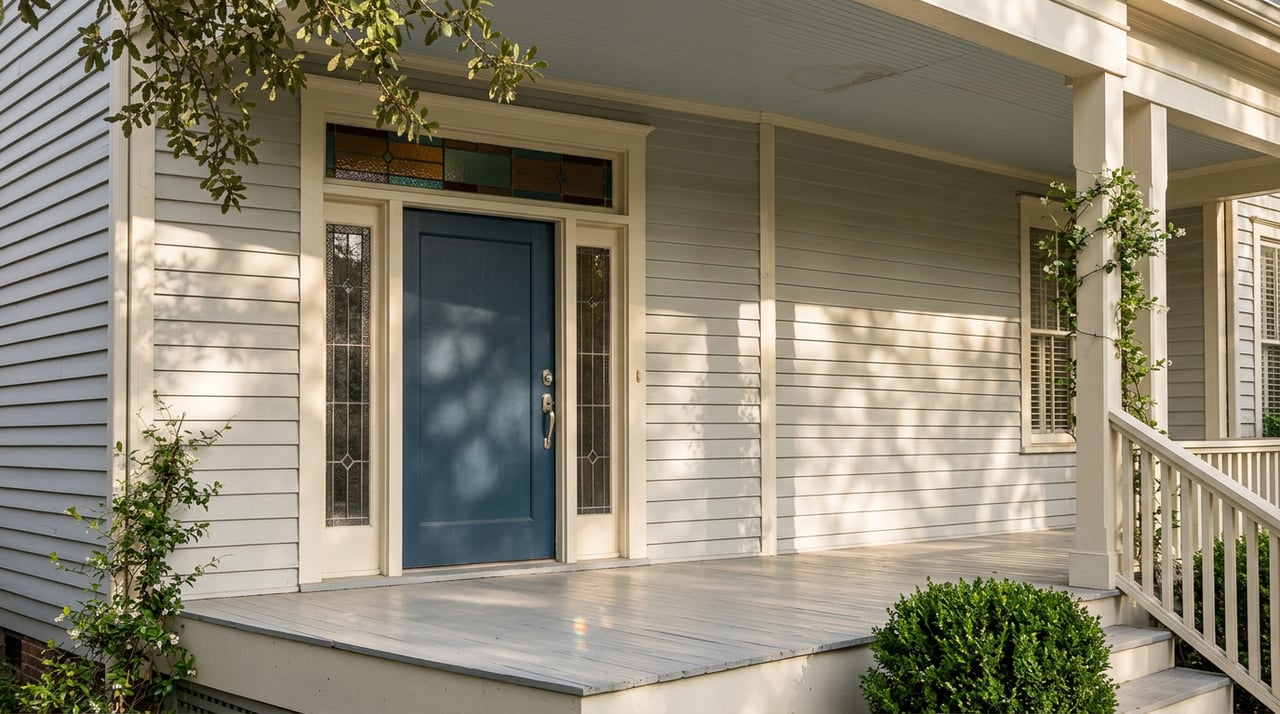
The format has changed over the past few years in a way that's easy to miss if you only attend once. In 2022, the tour was straightforward: five historic home gardens, no anchor property, no upsell. By 2024, the lineup had grown to six gardens plus the grounds of the 1893 League-Kempner House, with ticket holders given the option to pay extra for a walk through the interior. In 2025, the anchor property changed again, to the historic Lucas Apartments, where the add-on ticket covered two floors of the main building and one of its carriage houses.
| Year | Base Tour | Anchor Property | Interior Add-On |
|---|---|---|---|
| 2022 | 5 historic gardens | None named | No |
| 2024 | 6 historic gardens | 1893 League-Kempner House | Yes, grounds included, interior optional |
| 2025 | 6 historic gardens | Lucas Apartments | Yes, two floors plus one carriage house |
That's not a coincidence of scheduling. It's a fundraising committee that figured out, sometime in the early 2020s, that a garden tour has a ceiling and a landmark building with a paid interior option doesn't. The 2025 edition also introduced a branded t-shirt, sold in advance through an online order form with a pickup deadline tied to the tour date, another small sign of a volunteer-run event professionalizing its own revenue.
What a garden on this tour actually looks like
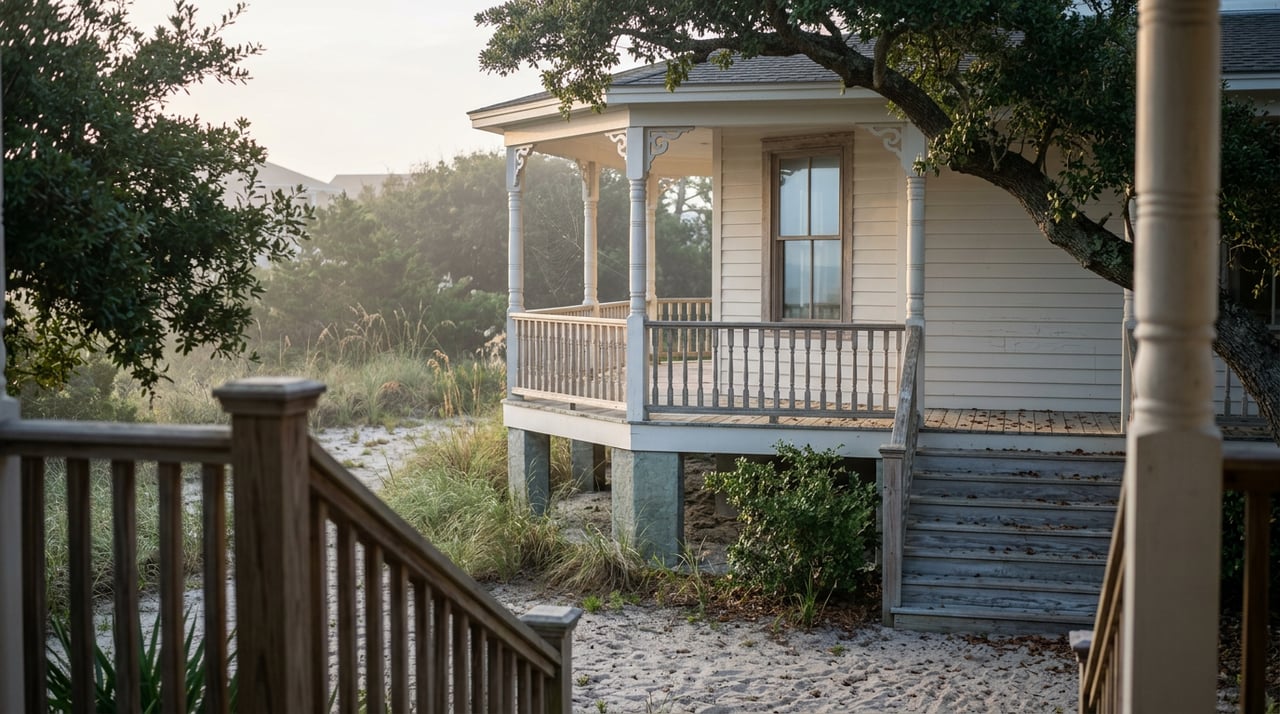
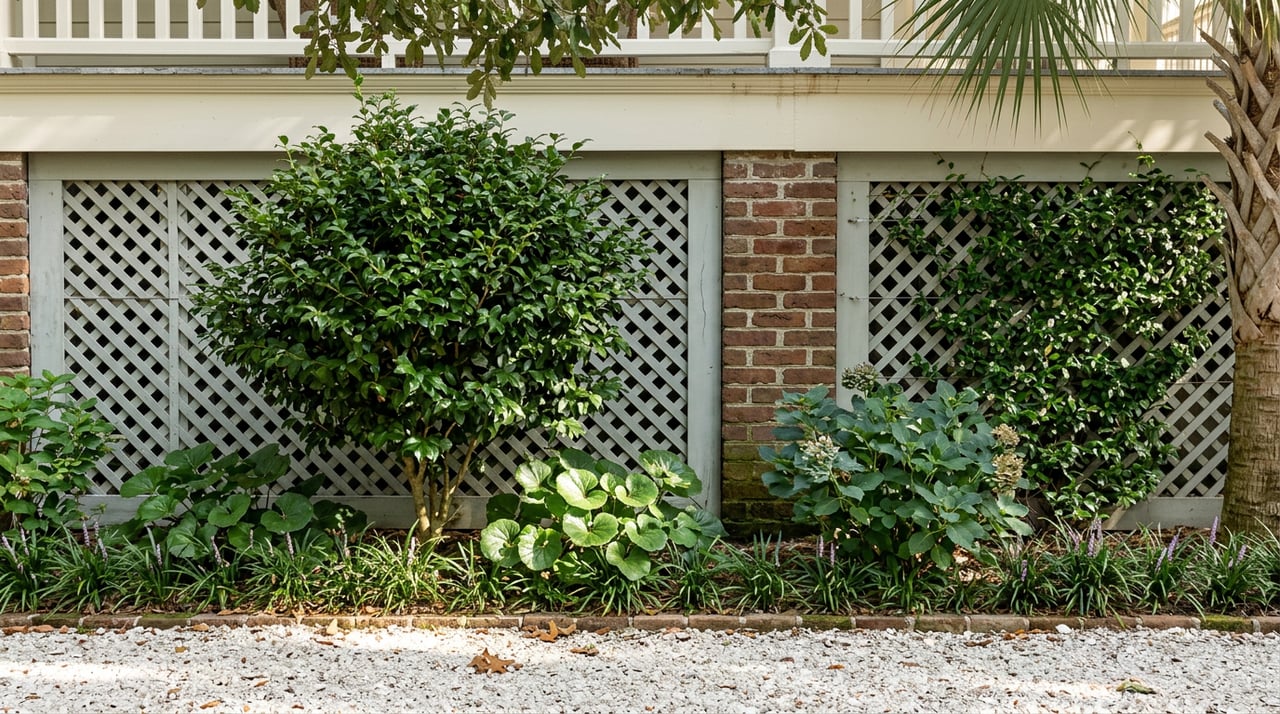
The self-guided format means every home on the route is a private garden that a homeowner has opened up for one day, which is a different thing than a municipal show garden. A tour write-up from a past year gives a sense of the level of detail these entries run to: a 1926 colonial red brick revival on Sealy Street built by the Eiband family, its picket fence lined in pink oleander with queen palms and desert willows at the perimeter. A double-gallery Victorian a few doors down. A 1900 post-Victorian house on Ball Street with plumerias, hibiscus, and fruit trees planted to draw bees and hummingbirds. An 1856 New Orleans Creole-style home on Postoffice Street with a courtyard built around plants and layouts pulled from mid-1800s New Orleans landscape design, replanted after Ike wiped out the originals.
None of that is generic Gulf Coast landscaping. It's homeowners working within the specific architectural vocabulary of their own house's build year, which is exactly the kind of detail the East End Historical District Association has spent five decades trying to protect. The district itself covers more than fifty city blocks, bounded by Broadway to the south, 10th Street to the east, Mechanic Avenue to the north, and 19th Street to the west, and it was listed on the National Register of Historic Places in 1975 before being declared a National Historic Landmark the following year. The garden tour is a small, once-a-year expression of the same instinct that got the district that designation in the first place: treating a private yard as something worth preserving in public.
If you're planning to walk it this year
As of late August, the association hadn't yet posted this year's exact date on its site, but the pattern over the last four cycles has been dependable enough to plan around. Every recent tour has run on a Saturday somewhere between October 15 and October 21, from 9 a.m. to 4 p.m., with garden tickets sold online in advance and in person at The Cottage the day of the event. The craft market runs alongside it at no charge, so even if you skip the garden tickets, the vendor tables and the silent auction are worth a walk-through on their own.
Wristbands go to Will Call at The Cottage, 1501 Postoffice Street, the morning of the tour. If a landmark interior add-on is offered again this year, expect it to be sold separately from the base garden ticket, following the pattern set by the League-Kempner House and Lucas Apartments years. Bring cash or a card for the craft vendors, and budget more time than you'd expect. Six private gardens spread across a fifty-block district, each one landscaped to match a specific build year, is not a fifteen-minute loop.
The point of paying for a stranger's yard
It's easy to treat this as a nice fall tradition and leave it there. But the honest version is that every ticket sold is a small, direct transfer from a visitor's pocket to the upkeep of a public fountain and a public fence, in a neighborhood that decided a while ago it would rather fund its own commons than wait for someone else to. That's a different kind of civic participation than most neighborhoods get to offer their residents on a Saturday afternoon, and it's the reason Darragh Park's gate has held up as well as it has since a storm nearly took the whole tree canopy with it.
If you're new to the East End and wondering what kind of neighborhood asks its residents to open their gardens once a year to keep a public park intact, this is a decent answer. It's also worth a walk through the East End Historic District beyond tour day, on a quiet weekday morning when the porches are just porches and the gardens are just gardens, no wristband required.
Whether you're already on one of these blocks or thinking about what it takes to own a piece of this district, Spagnola Realty Group works with East End buyers and sellers who care about getting the historic details right. Get exclusive access to top listings and schedule a consultation when you're ready to talk specifics.