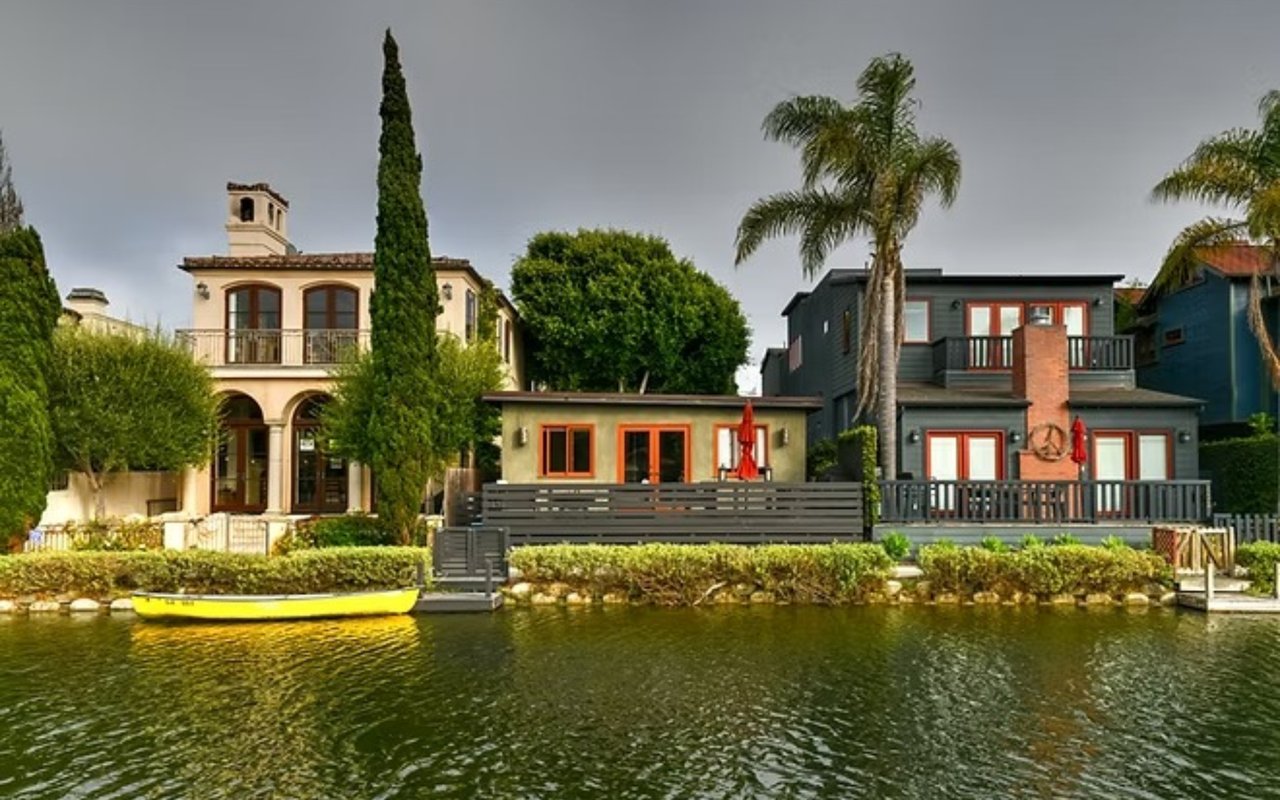
If you've been dreaming about waterfront living on the Texas Gulf Coast, 2026 is one of the most interesting — and complex — times to buy. The market has shifted considerably. Insurance costs have reshaped what it means to "afford" a waterfront home, FEMA has redrawn the maps, and yet demand remains strong enough that waterfront properties are still outpacing inland appreciation. Whether you're drawn to the salty, high-energy vibe of Galveston Island or the yacht-club lifestyle of Clear Lake and Seabrook, here's everything you need to know before making a move.
The 2026 Market at a Glance
The Greater Houston market has reached its most balanced state since 2019, with approximately 32,681 active listings and a 4.7-month supply as of April 2026. But waterfront is a different story.
On Galveston Island, the market has tilted toward buyers. Homes are sitting an average of 79 days before going under contract, and total sales volume is down roughly 18% year-over-year. Meanwhile, the price per square foot has actually increased by nearly 10% — currently around $300/sq. ft. — meaning smaller homes are selling, but the land and quality of build still command a premium.
In Greater Houston's waterfront submarkets, new 2026 FEMA flood maps have reclassified thousands of properties into high-risk zones, triggering a wave of pre-emptive listings from owners looking to exit before mandatory insurance requirements fully kick in. For buyers, that creates leverage. Days on market for waterfront properties in Clear Lake and Seabrook are averaging 94 days, compared to just 42 days for non-waterfront homes in the same areas.
The bottom line: if you're buying waterfront right now, you have more negotiating power than at any point in the last five years. Sellers are wary, and buyers are using projected insurance costs to negotiate 5–10% off asking prices.
Waterfront vs. Non-Waterfront: What You're Actually Paying
The premium for living on the water remains substantial, though the gap has started to narrow as buyers factor in the true cost of ownership.
Galveston Island (May 2026)
- Beachfront (West End): $1,100,000+ average, with a slight 5–10% dip from peak
- Canal/Bay Front (Sea Isle, Jamaica Beach): $850,000–$950,000
- Non-waterfront inland: $335,000 median
Greater Houston (May 2026)
- Non-waterfront median: $345,000–$360,000
- Waterfront (lake or channel access): typically $850,000–$1,200,000, representing a 40–100% premium over inland equivalents in the same neighborhood
Interest rates are currently hovering between 6.1% and 6.5%, and that carrying cost is very much part of how buyers are running the numbers.
Best Waterfront Neighborhoods
Galveston Island
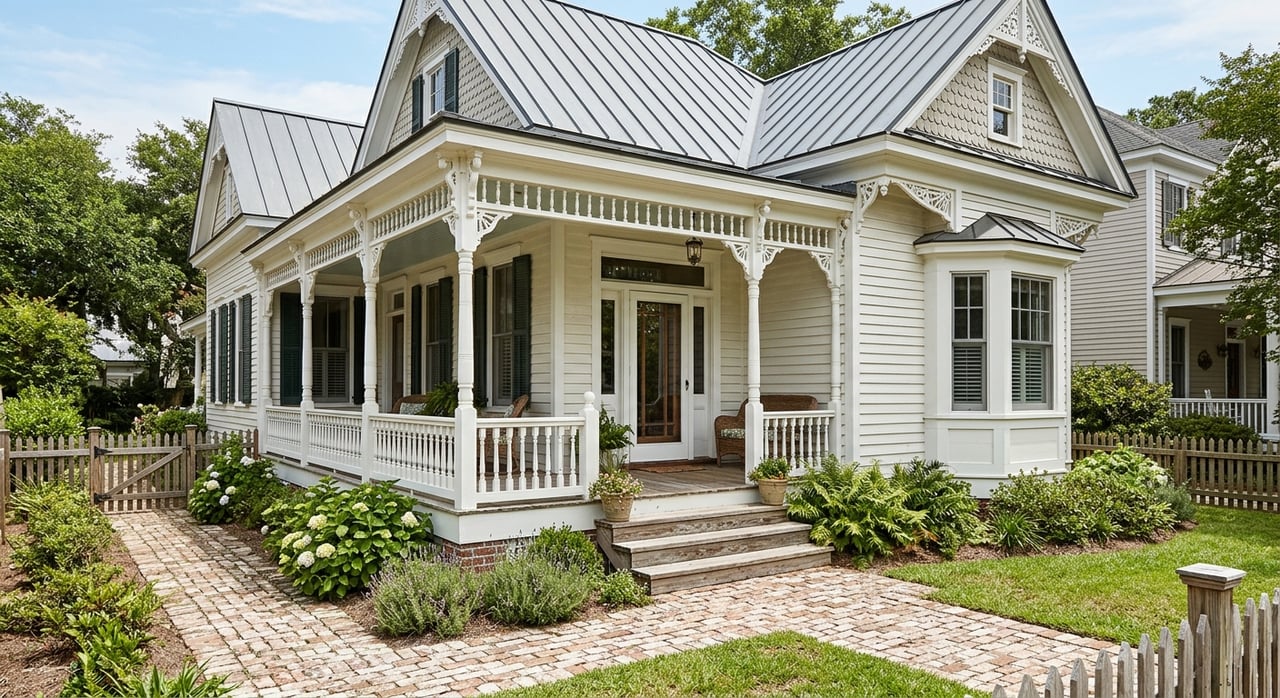
Beachtown The most upscale community on the island, Beachtown was designed around New Urbanism principles — think narrow Victorian-style builds, white picket fences, private beaches, and a walkable streetscape centered around the Porch Café. Prices range from $1.8M to $3.5M+. Supply here is genuinely limited, which is why it holds the highest investment potential on the island despite the premium entry price.
Pirates Beach & Pirates Cove The classic Galveston vacation destination. Pirates Beach is ocean-side on stilts, while Pirates Cove is bay-side with golf course and canal views and proximity to the Galveston Country Club. Median prices sit around $722,000, though beachfront can push past $1.5M. Short-term rental activity is heavy here, making it a popular choice for investors. One caveat for 2026: pay close attention to erosion lines. Galveston's managed retreat policies are becoming stricter, which affects where you're allowed to rebuild after a major storm.
Jamaica Beach An independent city within Galveston Island, Jamaica Beach offers the most accessible entry point at $430,000–$525,000. It's golf-cart friendly, family-oriented, and has its own police and fire departments, a public pool, and a boat ramp. A mix of canal-front and beachfront homes makes it versatile for both primary residents and vacation rental investors. It's what locals call "The People's Beach" — less formal, more community-focused.
Greater Houston
League City (Waterfront) Master-planned luxury with a suburban safety net. Waterfront homes here run $550,000–$900,000 and sit within the Clear Creek Independent School District, one of the most sought-after in the region. South Shore Harbour Resort, world-class marinas, and a gated community feel make this the top choice for families relocating from Houston's inland suburbs. Appreciation here is driven heavily by school district demand, making it one of the more stable long-term investments in the area.
Seabrook Often described as a hidden gem, Seabrook offers a more secluded, nature-forward environment with 200+ acres of trails, easy access to the Kemah Boardwalk, and deep-water channel access suitable for larger yachts. Prices range from $650,000 to $1.1M. The community attracts serious boaters and nature enthusiasts, and in 2026 is seeing a notable spike in short-term rental bookings tied to Houston's FIFA World Cup hosting schedule.
Clear Lake (Houston Proper) Home to NASA's Johnson Space Center, Clear Lake has a uniquely stable, professionally driven community largely made up of engineers and aerospace workers. The median sits around $340,000, but lakefront estates can reach $1.2M+. The Clear Lake Yacht Club and some of the best boating infrastructure in the country make it a serious destination for water-lifestyle buyers, while the NASA anchor provides long-term economic stability that most coastal submarkets lack.
Investment Performance
Waterfront properties across Galveston and Greater Houston have appreciated 4.2–5.8% year-over-year (May 2025–May 2026), outpacing the inland average of 2.0–3.5%. The scarcity of buildable shoreline — particularly in Beachtown and Clear Lake — is the primary driver.
The one exception: canal-front homes in Jamaica Beach and Sea Isle, where appreciation has been tempered to around 2.1% due to the impact of 2026 FEMA flood map updates on insurance costs.
For investors focused on rental income, Galveston is the clear short-term rental market. Island-wide occupancy averages 47% annually, peaking above 85% from June through August. The average daily rate island-wide is $221, rising to $450+ in Beachtown and Pirates Beach. Large-format homes with 5+ bedrooms are the strongest performers, generating an estimated gross yield of 11.1%. Guests are booking an average of 51 days in advance, suggesting the market is maturing and becoming more plannable.
Greater Houston waterfront runs at 32–38% occupancy with a gross yield of 7–9% — lower than Galveston, but more consistent year-round. Seabrook and Clear Lake in particular are benefiting from FIFA World Cup demand in summer 2026, with some owners doubling standard rates for the season.
Flood Risk, Insurance & What It Actually Costs
This is where 2026 is genuinely different from any prior market cycle. Insurance is no longer a line item — it's a deciding factor.
FEMA Flood Zones
FEMA now prices flood risk through Risk Rating 2.0, which evaluates each property individually based on distance to water, elevation, and replacement cost rather than relying solely on zone classifications. That said, zone designations still determine mandatory purchase requirements:
- Galveston West End/Beachfront: Largely Zone VE (Velocity Zone), meaning 1%-annual-chance flooding with additional wave hazard risk
- Clear Lake & Seabrook: A patchwork of Zone AE (1% annual chance) and Zone X (0.2% annual chance). 2026 map updates have integrated compound flood modeling — accounting for simultaneous rainfall and storm surge — pushing many previously low-risk Clear Lake properties into mandatory insurance categories
What Flood Insurance Actually Costs (2026)
| Location | Waterfront Annual Premium | Inland Annual Premium |
|---|---|---|
| Galveston West End/Beachtown | $4,500–$8,000+ | $900–$1,800 |
| Seabrook / Clear Lake | $3,200–$5,500 | $750–$1,400 |
| League City | $2,800–$4,200 | $600–$1,200 |
Pre-FIRM homes (built before 1974) that haven't been elevated face the steepest increases as federal subsidies continue phasing out. NFIP premiums are capped at 18% annual increases for primary residences, but the trajectory is clearly upward. For homes in lower-risk Zone X, private flood insurance is now actively competing with NFIP and offering 15–20% lower premiums.
Windstorm Insurance (TWIA)
The Texas Windstorm Insurance Association remains the insurer of last resort for wind and hail across 14 coastal counties. Following several active storm seasons, TWIA has implemented incremental rate increases — typically capped near 5–10% annually. A WPI-8 Windstorm Inspection Certificate is mandatory for TWIA coverage. Homes without one are effectively uninsurable for wind, which significantly impacts resale value. If you're buying, confirm the WPI-8 status before making an offer.
Buying Considerations Specific to This Market
HOA Fees
Waterfront HOA fees are considerably higher than Houston's general average of $600–$1,200/year because they cover specialized infrastructure.
| Community | Estimated Annual HOA | What It Covers |
|---|---|---|
| Beachtown | $3,500–$6,000+ | Private beach maintenance, dune protection, pool, architectural oversight |
| Jamaica Beach | N/A (independent city) | City taxes cover services directly |
| South Shore Harbour (League City) | $1,200–$2,500 | Gated security, marina maintenance, common areas |
| Canal Communities (Sea Isle, etc.) | $600–$1,500 | Boat ramps, fishing piers, canal dredging fund |
On that last point — always verify whether a community's HOA maintains a dredging fund. Bulkhead repair or replacement in 2026 runs approximately $1,200–$1,800 per linear foot. If that cost falls on the individual homeowner rather than the HOA, it can be a significant unplanned expense.
Private Dock Permits
Building a dock in Galveston County is a multi-agency process involving:
- US Army Corps of Engineers: Section 10 Permit required for any structure in navigable waters. Most residential docks qualify under a Nationwide Permit, with walkways typically limited to 4 feet wide
- Texas General Land Office: A Coastal Easement or lease is required if your dock sits on state-owned submerged land, with an annual fee based on the structure's square footage
- Local Municipality: Galveston, Seabrook, and League City each issue their own building permits for windstorm and safety compliance
Coastal Building Codes & Setbacks
Texas Open Beaches Act: The public has a legal right to access the area between the waterline and the natural vegetation line. If storm erosion shifts that line past your home, your property may be considered to occupy state land — and the GLO has increased monitoring of these lines in 2026. Homes found within the public easement can face mandatory removal orders.
Construction Standards: New builds must meet Wind Zone 3 (inland) or Wind Zone 4 (beachfront) standards under the International Residential Code. This means impact-resistant glass or certified shutters and hurricane clip roof tie-downs — requirements that affect both build cost and insurability.
Dune Protection: In Galveston, construction is prohibited on frontal dunes. A Dune Protection Permit is required for any work within roughly 1,000 feet landward of mean high tide.
Setbacks: Most coastal zones require a 25–50 foot setback from the vegetation line or bulkhead.
Who Is Buying Waterfront Here in 2026
The buyer pool has consolidated into three distinct groups:
The Hybrid Buyer (55% of market): Primarily high-income families targeting 4–5 bedroom homes on Galveston's West End. They occupy the home 4–6 weeks per year and use short-term rental income to offset the rising insurance burden. This is now the dominant buyer type.
The Primary Lifestyle Resident (30% of market): Concentrated in Clear Lake, Seabrook, and League City. Engineers, medical professionals, and active retirees who want a private dock, good schools, and proximity to work. Less focused on STR regulations, more focused on long-term quality of life.
The Pure Investor (15% of market): Targeting entry-level waterfront — condos in Galveston or older canal homes in Jamaica Beach — where the price-to-rent ratio is most favorable for short-term rental or corporate housing.
Where buyers are coming from: Greater Houston locals (Inner Loop, The Woodlands, Katy, Sugar Land) still provide the market's foundation. But out-of-state migration is at a new peak in 2026. California and Washington buyers find Texas waterfront deeply discounted relative to Newport Beach or Seattle prices. Florida buyers are pivoting to Texas as Florida's insurance market has become even more volatile. And Midwest retirees — particularly from Chicago and Minneapolis — are choosing Galveston's West End over traditional Florida or Arizona retirement destinations, drawn by Texas's lack of state income tax and proximity to the Texas Medical Center.
One important note for sellers: out-of-state buyers are often overwhelmed by the complexity of Texas windstorm and flood insurance. Having a pre-packaged insurance quote, a current WPI-8 certificate, and a recent elevation certificate ready before listing can meaningfully accelerate your sale.
Ready to Find Your Waterfront Home?
Navigating flood maps, TWIA requirements, dock permits, and neighborhood-level pricing nuances takes a specialist — not just a generalist agent. Caroline Spagnola is a top-producing Texas real estate agent and team lead of Spagnola Realty Group, recognized among the top producers in the state for five consecutive years. She holds an Accredited Luxury Home Specialist designation and specializes in waterfront and luxury properties across Galveston Island and Houston's Inner Loop.
Whether you're weighing a canal home in Jamaica Beach against a lakefront estate in League City, or trying to decode what a Zone AE reclassification actually means for your monthly payment, Caroline and her team can walk you through it with the market knowledge and transaction experience to back it up.
Contact Spagnola Realty Group: 📧 [email protected] 📞 (281) 317-7295 📍 3616 7 Mile Rd, Galveston, TX 77554